
Health
NHS Highlights Key Symptoms to Distinguish Cold from Flu

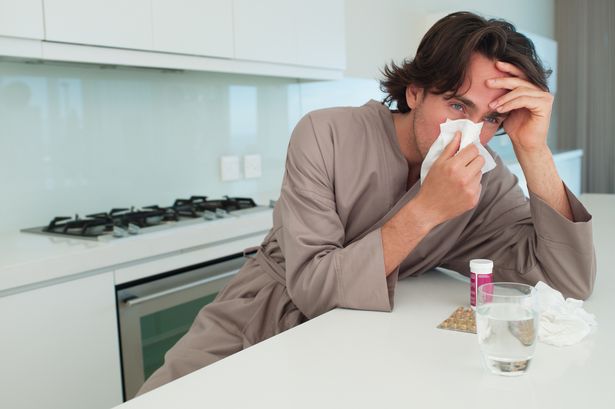
As the winter season approaches, the National Health Service (NHS) is providing essential guidance to help the public differentiate between common colds and influenza. With increased cases of respiratory illnesses during this time, recognizing the symptoms can aid individuals in seeking appropriate care and taking preventive measures.
Understanding the distinctions between a cold and the flu is vital, particularly as the flu can lead to more severe health complications. The NHS notes that while both conditions share similar symptoms, flu symptoms are typically more intense. For instance, individuals with the flu may experience a sudden high temperature, muscle aches, and extreme fatigue, which can impede daily activities. In contrast, cold symptoms are generally milder, often affecting the nose and throat primarily.
According to Berkshire NHS, which has gained attention with over 17,100 followers on TikTok, there are three main indicators to help identify whether you have a cold or the flu. In a recent video, an NHS representative explained that flu symptoms tend to manifest quickly, often within a few hours. Conversely, cold symptoms usually peak within two to three days and resolve within approximately one week.
The key symptoms highlighted by Berkshire NHS include:
– **Flu Symptoms**: High fever, body aches, extreme fatigue, dry cough, sore throat, and headaches.
– **Cold Symptoms**: Blocked or runny nose, sneezing, mild cough, and a generally less severe feeling of illness.
While flu symptoms can lead to serious health issues, it is important to note that the flu often improves on its own. The NHS recommends vaccination to reduce the risk of flu and emphasizes practicing safe distancing to prevent spreading the virus.
The NHS also advises that while most colds can be managed without consulting a general practitioner, individuals should monitor their symptoms closely. If symptoms persist or worsen, particularly in vulnerable populations such as young children, seeking medical advice is essential. Symptoms in children may last longer and include increased irritability and difficulty eating or sleeping.
As the festive period approaches, maintaining good health practices is crucial. The NHS encourages individuals to rest adequately, stay hydrated, and consume nutritious foods to bolster their immune systems. Being proactive about health can significantly reduce the likelihood of falling ill during the holiday season.

Moyes Faces Referee Controversy Ahead of Everton vs Chelsea Clash

Man Hospitalised After Assault Outside Shop in Sandwell

Fred MacAulay and Ally McCoist Reunite for Special World Cup Show

NoOnes Targets $1 Trillion Gift Card Market to Enhance Crypto Access

Beloved Actor Matt Clark Passes Away at 89, Fans Mourn Loss

Discover How Milk Thistle Supplements Enhance Liver Health

Irish Community Care Celebrates 60 Years of Support in Liverpool

New Affordable Housing Development Planned for Crawley Site

Millions of Parking Tickets Issued Amid Calls for Reform

Claire Tomlinson Bids Farewell to Sky Sports After 27 Years

Iconic 90s TV Show House Hits Market for £1.1 Million

Tributes Flow for Kerry Gentle, Beloved RNLI Volunteer and Artist

Nathan Cleary’s Family Celebrates Engagement Amid Romance Rumors

Milk Bank Urges Mothers to Donate for Premature Babies’ Health

Shoppers Flock to Discounted Neck Pillow on Amazon for Travel Comfort

Alessia Russo Signs Long-Term Deal with Arsenal Ahead of WSL Season

Nuneaton Town FC Advances Plans for New Stadium in Stockingford

Museums Body Critiques EHRC Proposals on Gender Facilities
-
 Lifestyle7 months ago
Claire Tomlinson Bids Farewell to Sky Sports After 27 Years
-
 Entertainment10 months ago
Iconic 90s TV Show House Hits Market for £1.1 Million
-
 Lifestyle7 months ago
Tributes Flow for Kerry Gentle, Beloved RNLI Volunteer and Artist
-
 Sports11 months ago
Nathan Cleary’s Family Celebrates Engagement Amid Romance Rumors
-
 Lifestyle12 months ago
Milk Bank Urges Mothers to Donate for Premature Babies’ Health
-
 Lifestyle11 months ago
Shoppers Flock to Discounted Neck Pillow on Amazon for Travel Comfort
-
 Sports10 months ago
Alessia Russo Signs Long-Term Deal with Arsenal Ahead of WSL Season
-
 Sports8 months ago
Nuneaton Town FC Advances Plans for New Stadium in Stockingford
-
 Politics12 months ago
Museums Body Critiques EHRC Proposals on Gender Facilities
-

 Lifestyle11 months ago
Exploring England’s Cathedrals: A Journey Through History and Architecture
-

 Business12 months ago
Trump Visits Europe: Business, Politics, or Leisure?
-

 Lifestyle12 months ago
Japanese Teen Sorato Shimizu Breaks U18 100m Record in 10 Seconds