
Health
Optometrist Highlights Eye Twitch Symptoms and When to Act

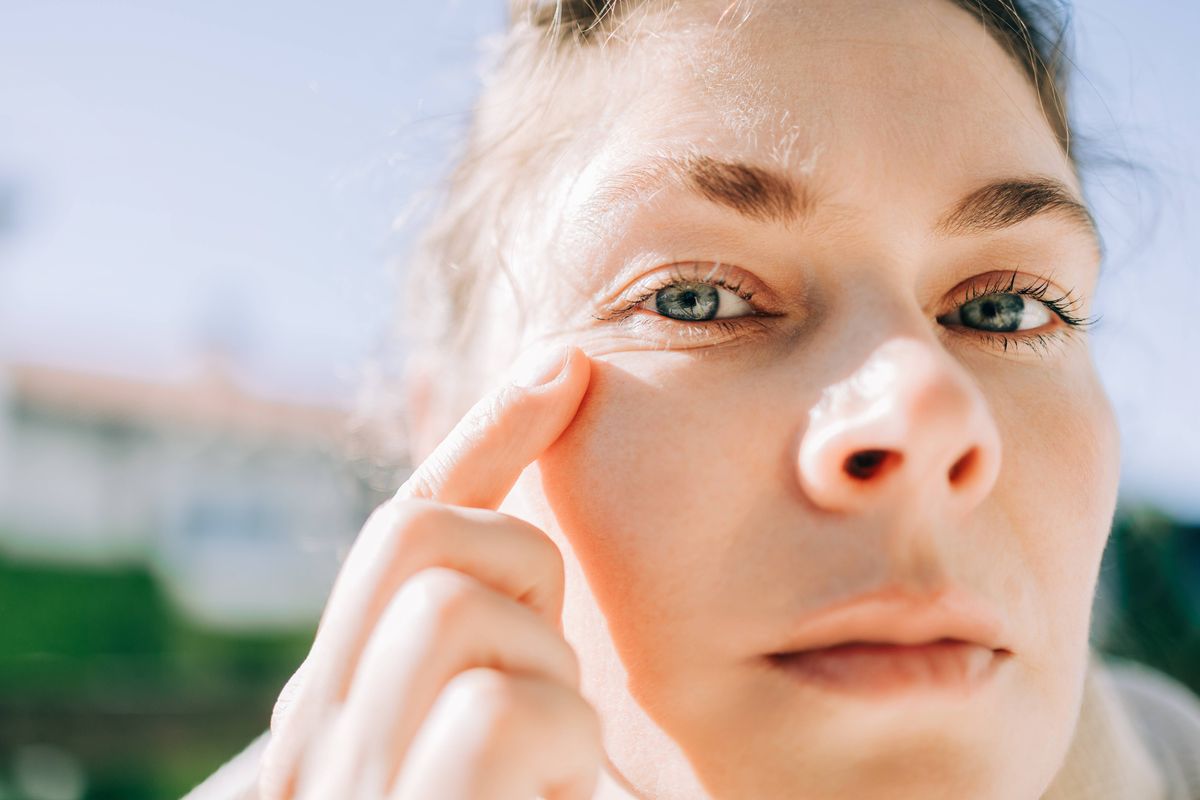
Unexpected eyelid twitches, often dismissed as mere annoyances, may signal underlying health concerns. According to optometrist Jesús Salcedo Asensio, these involuntary muscle spasms, commonly known as eyelid myokymia, are typically harmless but can indicate the need for lifestyle adjustments or, in rare cases, medical intervention.
Understanding Eyelid Myokymia
Eyelid myokymia is characterized by brief, involuntary spasms of the eyelid muscles. This condition usually manifests as a fluttering sensation, primarily affecting the lower eyelid. Asensio notes that while these spasms are often harmless, they can last from a few seconds to several days. “These small, involuntary, subtle, and repetitive contractions of the orbicularis oculi muscle occur most frequently in the lower eyelid,” he explained in an interview with eldario.es.
The common triggers for eyelid twitching include stress, fatigue, and excessive caffeine consumption. Asensio emphasized that such spasms are not indicative of a structural disease but result from muscle hyperexcitability. “Sustained stress increases the activity of the nervous system and promotes involuntary muscle contractions,” he stated. Insufficient sleep can also alter neuromuscular regulation, leading to these contractions.
Potential Causes and Triggers
While many individuals experience eyelid twitches, some may wonder if vitamin deficiencies, particularly magnesium deficiency, contribute to these phenomena. Asensio clarified that for otherwise healthy individuals, this is unlikely to be the primary cause. “In healthy people, it’s unusual for an isolated eyelid twitch to be solely due to this cause. When there is a real deficiency, other symptoms such as generalized cramps or muscle weakness usually appear,” he said.
In addition to stress and fatigue, other common triggers include prolonged screen time and dehydration. Asensio recommends lifestyle adjustments to mitigate these factors, such as reducing caffeine intake, ensuring adequate sleep, and taking regular breaks from screens.
When to Seek Medical Advice
While most eyelid twitches resolve on their own, there are circumstances when medical attention is warranted. Asensio urges individuals to consult a healthcare professional if the twitching persists for more than one or two weeks, interferes with vision, or spreads to other facial muscles. Red flags also include symptoms such as double vision, drooping eyelids, intense pain, or vision loss.
In more serious cases, persistent eyelid spasms may indicate conditions such as blepharospasm or hemifacial spasm. Blepharospasm is a neurological disorder characterized by more intense spasms affecting both eyes, which can lead to involuntary eyelid closure and disrupt daily activities like reading or driving. Treatment often involves botulinum toxin injections into the affected muscles. Hemifacial spasm affects one side of the face and may require neurological evaluation to determine the appropriate course of action.
Asensio reassured that while these conditions can sound alarming, they are relatively rare and manageable with proper care.
In summary, while an occasional eyelid twitch is usually benign and linked to stress or fatigue, staying vigilant about persistent or severe symptoms is crucial. If such symptoms arise, seeking medical guidance can help ensure that any underlying issues are appropriately addressed.

Moyes Faces Referee Controversy Ahead of Everton vs Chelsea Clash

Man Hospitalised After Assault Outside Shop in Sandwell

Fred MacAulay and Ally McCoist Reunite for Special World Cup Show

NoOnes Targets $1 Trillion Gift Card Market to Enhance Crypto Access

Beloved Actor Matt Clark Passes Away at 89, Fans Mourn Loss

Discover How Milk Thistle Supplements Enhance Liver Health

Irish Community Care Celebrates 60 Years of Support in Liverpool

New Affordable Housing Development Planned for Crawley Site

Millions of Parking Tickets Issued Amid Calls for Reform

Claire Tomlinson Bids Farewell to Sky Sports After 27 Years

Iconic 90s TV Show House Hits Market for £1.1 Million

Tributes Flow for Kerry Gentle, Beloved RNLI Volunteer and Artist

Nathan Cleary’s Family Celebrates Engagement Amid Romance Rumors

Milk Bank Urges Mothers to Donate for Premature Babies’ Health

Shoppers Flock to Discounted Neck Pillow on Amazon for Travel Comfort

Alessia Russo Signs Long-Term Deal with Arsenal Ahead of WSL Season

Nuneaton Town FC Advances Plans for New Stadium in Stockingford

Museums Body Critiques EHRC Proposals on Gender Facilities
-
 Lifestyle6 months ago
Claire Tomlinson Bids Farewell to Sky Sports After 27 Years
-
 Entertainment9 months ago
Iconic 90s TV Show House Hits Market for £1.1 Million
-
 Lifestyle6 months ago
Tributes Flow for Kerry Gentle, Beloved RNLI Volunteer and Artist
-
 Sports11 months ago
Nathan Cleary’s Family Celebrates Engagement Amid Romance Rumors
-
 Lifestyle11 months ago
Milk Bank Urges Mothers to Donate for Premature Babies’ Health
-
 Lifestyle11 months ago
Shoppers Flock to Discounted Neck Pillow on Amazon for Travel Comfort
-
 Sports10 months ago
Alessia Russo Signs Long-Term Deal with Arsenal Ahead of WSL Season
-
 Sports8 months ago
Nuneaton Town FC Advances Plans for New Stadium in Stockingford
-
 Politics11 months ago
Museums Body Critiques EHRC Proposals on Gender Facilities
-

 Lifestyle11 months ago
Exploring England’s Cathedrals: A Journey Through History and Architecture
-

 Business11 months ago
Trump Visits Europe: Business, Politics, or Leisure?
-

 Lifestyle11 months ago
Japanese Teen Sorato Shimizu Breaks U18 100m Record in 10 Seconds