
Health
Scientists Rejuvenate Human Eggs, Boosting IVF Success Rates

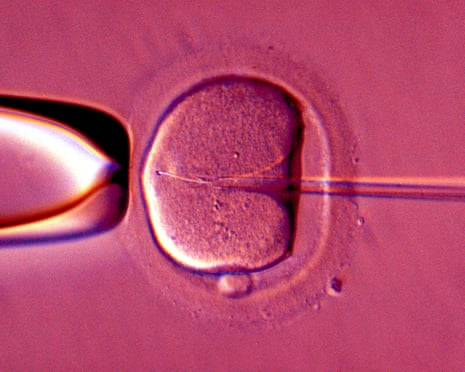
Researchers have achieved a significant breakthrough by “rejuvenating” human eggs, a development that may substantially enhance the success rates of in vitro fertilization (IVF) for older women. The study, led by scientists at the Max Planck Institute for Multidisciplinary Sciences, indicates that a crucial protein can reverse age-related defects in eggs, which typically result in genetic errors in embryos.
During experiments, eggs donated by fertility patients received microinjections of a protein known as Shugoshin 1. The results were striking: treated eggs showed nearly a 50% reduction in genetic defects compared to their untreated counterparts. If validated through further trials, this method could significantly improve egg quality, a primary factor behind IVF failures and miscarriages in older women.
Prof Melina Schuh, a director at the institute and co-founder of Ovo Labs, expressed optimism regarding these findings. “Overall we can nearly halve the number of eggs with [abnormal] chromosomes. That’s a very prominent improvement,” she stated. The motivation behind this research stems from the fact that while most women in their early 40s still produce eggs, nearly all of these eggs exhibit incorrect chromosome numbers.
Implications for IVF Treatment
The findings will be presented at the British Fertility Conference in Edinburgh on March 15, 2024, and have been shared as a preprint paper on the Biorxiv website. The decline in egg quality is a significant reason for the steep drop in IVF success rates as women age. According to the latest data from the UK, the average birthrate for IVF embryos transferred to women under 35 is around 35%, whereas this figure plummets to just 5% for women aged 43 to 44.
Currently, the average age of women starting IVF treatment in the UK exceeds 35, which highlights the urgency of improving outcomes for older patients. Dr Agata Zielinska, co-founder and co-CEO of Ovo Labs, noted that many women face repeated IVF cycles to increase their chances of conception. “What we envision is that many more women would be able to conceive within a single IVF cycle,” she said.
The research targets a vulnerability in eggs associated with the process of meiosis, where sex cells shed half of their genetic material to facilitate fertilization. This process requires the proper alignment of 23 pairs of chromosomes. In older eggs, these chromosome pairs often become misaligned, leading to chaotic movements that result in embryos with an incorrect number of chromosomes.
Schuh and her team previously identified that levels of Shugoshin 1 decline with age, leading to these misalignments. In their latest experiments, they found that microinjections of this protein reversed the premature separation of chromosome pairs. In tests involving eggs from the Bourn Hall fertility clinic in Cambridge, the incidence of genetic defects dropped from 53% in untreated eggs to 29% in those treated with Shugoshin 1.
Among eggs from women over 35, the defect rate decreased from 65% to 44%, although this result was not statistically significant due to the small sample size. Schuh emphasized the significance of their findings: “What is really beautiful is that we identified a single protein that, with age, goes down, returned it to young levels and it has a big effect.”
Future of IVF Treatment
While this innovative approach does not extend fertility beyond menopause, it presents a promising new direction for IVF treatments. Currently, there are no existing therapies involving microinjections into eggs, aside from intra-cytoplasmic sperm injection (ICSI). The research team is in discussions with regulatory bodies to initiate clinical trials, with an emphasis on ensuring safety.
An important consideration remains whether the improvements in egg quality will translate into embryos with fewer genetic errors. Dr Güneş Taylor from the University of Edinburgh, who did not participate in the study, highlighted the relevance of this research. “This is really important work because we need approaches that work for older eggs because that’s the point at which most women appear,” she stated.
If this one-time injection can significantly increase the number of eggs with properly organized chromosomes, it could provide a much better foundation for successful IVF outcomes. As research progresses, the potential impact on fertility treatments and the lives of countless women could be transformative.

Moyes Faces Referee Controversy Ahead of Everton vs Chelsea Clash

Man Hospitalised After Assault Outside Shop in Sandwell

Fred MacAulay and Ally McCoist Reunite for Special World Cup Show

NoOnes Targets $1 Trillion Gift Card Market to Enhance Crypto Access

Beloved Actor Matt Clark Passes Away at 89, Fans Mourn Loss

Discover How Milk Thistle Supplements Enhance Liver Health

Irish Community Care Celebrates 60 Years of Support in Liverpool

New Affordable Housing Development Planned for Crawley Site

Millions of Parking Tickets Issued Amid Calls for Reform

Claire Tomlinson Bids Farewell to Sky Sports After 27 Years

Iconic 90s TV Show House Hits Market for £1.1 Million

Nathan Cleary’s Family Celebrates Engagement Amid Romance Rumors

Tributes Flow for Kerry Gentle, Beloved RNLI Volunteer and Artist

Milk Bank Urges Mothers to Donate for Premature Babies’ Health

Shoppers Flock to Discounted Neck Pillow on Amazon for Travel Comfort

Alessia Russo Signs Long-Term Deal with Arsenal Ahead of WSL Season

Nuneaton Town FC Advances Plans for New Stadium in Stockingford

Exploring England’s Cathedrals: A Journey Through History and Architecture
-
 Lifestyle8 months ago
Claire Tomlinson Bids Farewell to Sky Sports After 27 Years
-
 Entertainment11 months ago
Iconic 90s TV Show House Hits Market for £1.1 Million
-
 Sports1 year ago
Nathan Cleary’s Family Celebrates Engagement Amid Romance Rumors
-
 Lifestyle8 months ago
Tributes Flow for Kerry Gentle, Beloved RNLI Volunteer and Artist
-
 Lifestyle1 year ago
Milk Bank Urges Mothers to Donate for Premature Babies’ Health
-
 Lifestyle1 year ago
Shoppers Flock to Discounted Neck Pillow on Amazon for Travel Comfort
-
 Sports12 months ago
Alessia Russo Signs Long-Term Deal with Arsenal Ahead of WSL Season
-
 Sports9 months ago
Nuneaton Town FC Advances Plans for New Stadium in Stockingford
-
 Lifestyle1 year ago
Exploring England’s Cathedrals: A Journey Through History and Architecture
-

 Politics1 year ago
Museums Body Critiques EHRC Proposals on Gender Facilities
-

 Business1 year ago
Trump Visits Europe: Business, Politics, or Leisure?
-

 Lifestyle1 year ago
Japanese Teen Sorato Shimizu Breaks U18 100m Record in 10 Seconds