
Health
Study Shows Aged Vape Plumes May Harm Lung Health

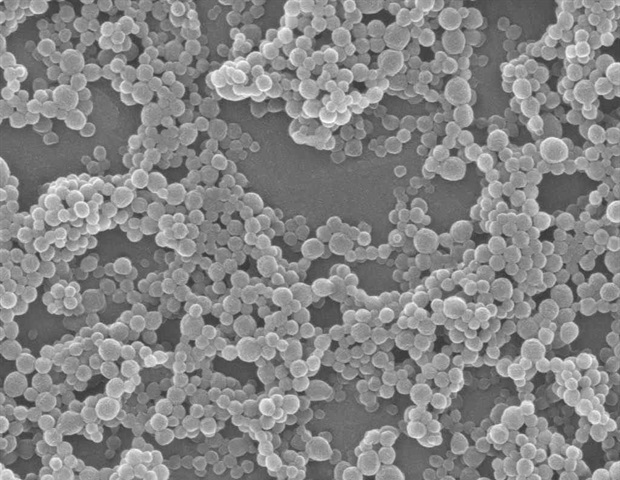
Research conducted by scientists at the University of California, Riverside has revealed that repeated exposure to aged vape plumes could have detrimental effects on lung health. The study, published in the journal Environmental Science & Technology, highlights the potential risks associated with inhaling secondhand vapor from electronic cigarettes, commonly known as vapes.
The health implications of passive exposure to vape aerosols remain largely unclear, prompting the need for thorough investigation. The researchers found that aged vapor contained fine particles with various metals and highly reactive compounds. These elements together form radicals that may damage lung tissue when inhaled. According to Ying-Hsuan Lin, the corresponding author of the study, “Our study reveals that the chemical cocktail of metal nanoparticles and reactive peroxides in aged e-cigarette aerosols creates a unique profile of respiratory health risks, highlighting that secondhand vapor is something bystanders shouldn’t have to breathe.”
This study distinguishes e-cigarettes from traditional cigarettes, which produce smoke. Instead, e-cigarettes create aerosols that can expose non-users to harmful substances. Previous research indicates that secondhand vape aerosols contain volatile organic compounds that react with indoor ozone, forming new compounds such as peroxides. Additionally, vape liquids often contain heavy metals, which can react with peroxides to generate potentially harmful compounds, including free radicals.
Examining the Effects of Ozone on Vape Aerosols
To further explore the health effects of secondhand vape plumes, Lin and colleagues investigated how indoor ozone affects the metal and peroxide composition of vape aerosols. They also sought to understand the reactions of these substances in simulated wet environments, resembling conditions found within the lungs.
For their experiments, the researchers synthesized a vape liquid featuring a single flavoring ingredient and no nicotine. This solution was then vaporized using two different vape pens with refillable cartridges in a chamber containing ozone. After a period of 90 minutes, the aged aerosols were collected for analysis.
The findings revealed that particles from both vape pens contained iron, aluminum, and zinc ions, along with trace amounts of heavy metals such as lead, arsenic, and tin. Notably, the two sets of aged aerosols exhibited comparable levels of peroxides. The smallest particles, classified as ultrafine particles, demonstrated higher concentrations of metals and peroxide compounds compared to larger aerosols.
To preliminarily assess how these aged aerosols might react with lung fluids, the researchers introduced the samples into a water-based solution. The results indicated that the ultrafine particles produced up to 100 times more radicals relative to their weight than larger particles. Since ultrafine particles can penetrate deep into the lungs and reach sensitive, fluid-lined alveoli, the researchers suggest these findings indicate a significant potential for lung tissue damage and compromised respiratory function.
Need for Further Research
The researchers acknowledge that the study was conducted under controlled laboratory conditions, emphasizing that additional research is necessary to explore real-world indoor environments and commercially available e-cigarette liquids. Nevertheless, the findings suggest that repeated exposure to aged vape plumes could negatively affect lung health, particularly for individuals with pre-existing conditions such as asthma or chronic obstructive pulmonary disease (COPD).
As the popularity of vaping continues to rise, understanding the risks associated with secondhand exposure becomes increasingly critical. This study provides a foundation for future investigations into the long-term health implications of vaping, not only for users but also for those in their vicinity.
The paper, titled “Interplay of Metals and Organics in E-Cigarette Aerosols Enhances the Production of Reactive Oxygen Species within Ultrafine Particles: Implications for Passive Vaping Exposures,” was published in March 2025.

Moyes Faces Referee Controversy Ahead of Everton vs Chelsea Clash

Man Hospitalised After Assault Outside Shop in Sandwell

Fred MacAulay and Ally McCoist Reunite for Special World Cup Show

NoOnes Targets $1 Trillion Gift Card Market to Enhance Crypto Access

Beloved Actor Matt Clark Passes Away at 89, Fans Mourn Loss

Discover How Milk Thistle Supplements Enhance Liver Health

Irish Community Care Celebrates 60 Years of Support in Liverpool

New Affordable Housing Development Planned for Crawley Site

Millions of Parking Tickets Issued Amid Calls for Reform

Claire Tomlinson Bids Farewell to Sky Sports After 27 Years

Iconic 90s TV Show House Hits Market for £1.1 Million

Nathan Cleary’s Family Celebrates Engagement Amid Romance Rumors

Tributes Flow for Kerry Gentle, Beloved RNLI Volunteer and Artist

Milk Bank Urges Mothers to Donate for Premature Babies’ Health

Shoppers Flock to Discounted Neck Pillow on Amazon for Travel Comfort

Alessia Russo Signs Long-Term Deal with Arsenal Ahead of WSL Season

Nuneaton Town FC Advances Plans for New Stadium in Stockingford

Exploring England’s Cathedrals: A Journey Through History and Architecture
-
 Lifestyle8 months ago
Claire Tomlinson Bids Farewell to Sky Sports After 27 Years
-
 Entertainment11 months ago
Iconic 90s TV Show House Hits Market for £1.1 Million
-
 Sports1 year ago
Nathan Cleary’s Family Celebrates Engagement Amid Romance Rumors
-
 Lifestyle8 months ago
Tributes Flow for Kerry Gentle, Beloved RNLI Volunteer and Artist
-
 Lifestyle1 year ago
Milk Bank Urges Mothers to Donate for Premature Babies’ Health
-
 Lifestyle1 year ago
Shoppers Flock to Discounted Neck Pillow on Amazon for Travel Comfort
-
 Sports12 months ago
Alessia Russo Signs Long-Term Deal with Arsenal Ahead of WSL Season
-
 Sports9 months ago
Nuneaton Town FC Advances Plans for New Stadium in Stockingford
-
 Lifestyle1 year ago
Exploring England’s Cathedrals: A Journey Through History and Architecture
-

 Politics1 year ago
Museums Body Critiques EHRC Proposals on Gender Facilities
-

 Business1 year ago
Trump Visits Europe: Business, Politics, or Leisure?
-

 Lifestyle1 year ago
Japanese Teen Sorato Shimizu Breaks U18 100m Record in 10 Seconds