
Health
Transforming Life: One Individual’s Journey to Quit Ultra-Processed Foods

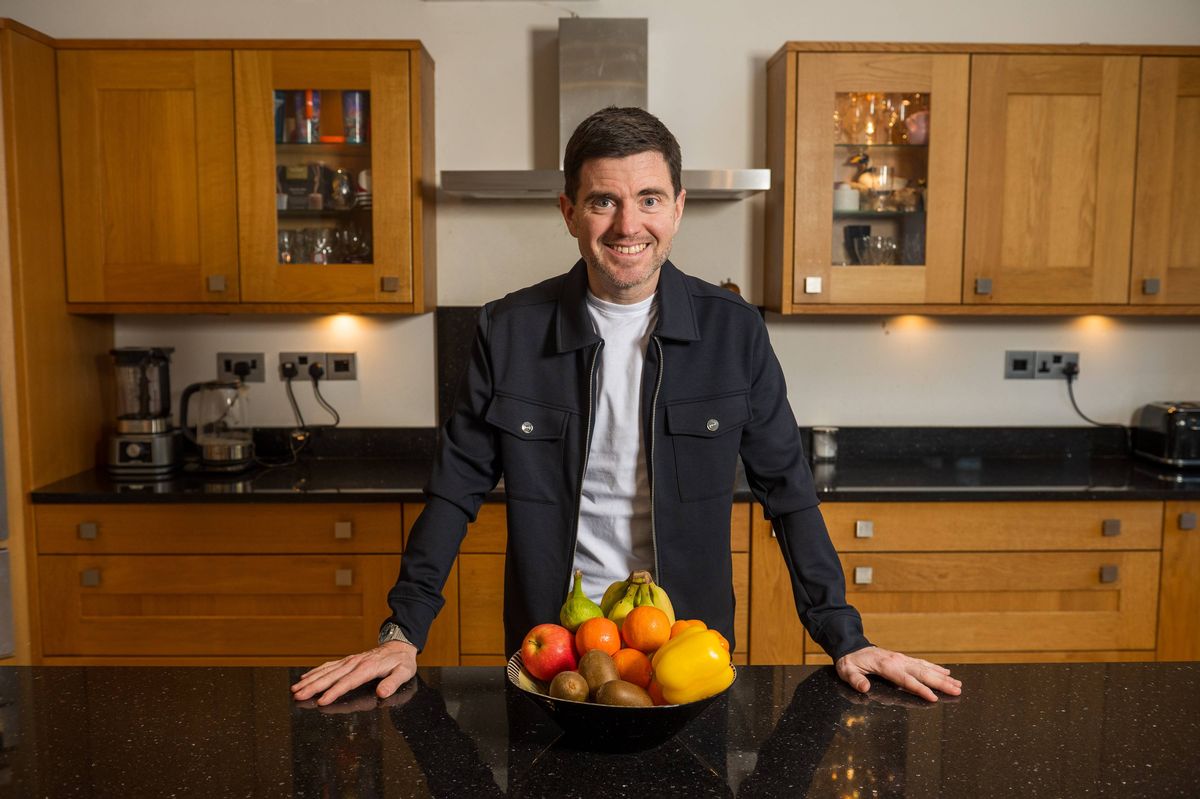
Two years ago, an individual decided to eliminate ultra-processed foods (UPF) from their diet, leading to significant changes in their health and lifestyle. After feeling sluggish and bloated following the festive season in December 2021, they sought a healthier path. Initially motivated by a desire to lose weight and reduce fatigue, this person discovered the complexities of UPF and its impact on well-being.
In January 2024, inspired by a podcast, they committed to avoiding foods that contain industrially-produced ingredients or those modified beyond their natural state. This includes items like ice cream, flavored yogurts, and many breakfast cereals. Reflecting on their journey, they express that this resolution, unlike previous attempts, has been sustainable and fulfilling.
Despite not counting calories or carbohydrates, the individual has lost weight, dropping from 11.5 stone to 10 stone. This transformation has brought newfound comfort, as they now fit into clothes that once felt restrictive. The weight loss is particularly notable as ultra-processed foods tend to be high in calories, added sugars, and unhealthy fats, contributing to weight gain and various health issues.
Food and nutrition expert Chris Van Tulleken, an infectious diseases doctor at University College London, defines UPF as items wrapped in plastic containing ingredients not typically found in home kitchens. He emphasizes the importance of reading labels and being cautious of health claims that may mislead consumers. For instance, products labeled as “high protein” or “high fiber” can still be laden with undesirable additives.
As the individual transitioned away from UPF, they discovered that their shopping habits naturally evolved. Foods previously ignored, such as chickpeas, kale, and various nuts, became staples in their diet. They now consume a high-fat diet, rich in healthy fats found in avocados and nuts, without the weight gain typically associated with unhealthy fats.
Dietary Changes and Health Insights
Breakfast now consists of Greek yogurt topped with a variety of nuts, seeds, and fruits. For lunch, lentils paired with vegetables and homemade hummus have become a regular choice. Dinner often includes fish paired with butter beans and fresh herbs. The individual has also experimented with new recipes, discovering a love for diverse flavors and nutritious meals.
In terms of physical activity, they noted that their exercise routine has not increased significantly over the past two years. However, they report improved performance, having set personal bests in half marathons and 10K races. This newfound energy and stamina can be attributed to a diet free from the pitfalls of ultra-processed foods.
The motivation to abandon UPF stems not only from health benefits but also from a desire to resist the marketing strategies employed by food corporations. The individual highlights the sophisticated techniques these companies use to create hyper-palatable products, leading consumers to overindulge.
Research indicates that diets high in UPF can lead to increased calorie consumption, with a clinical trial showing participants consuming an average of 500 more calories per day than those on unprocessed diets. This excess can result in weight gain, as seen in experiments conducted by Dr. Van Tulleken, who gained substantial weight by consuming a diet of 80% UPF.
Understanding Ultra-Processed Foods
The discussion on UPF is further underscored by findings from Professor Carlos Monteiro of the University of Sao Paulo, who identifies UPF as a leading cause of obesity. His research suggests that these foods can disrupt gut health and contribute to various chronic diseases.
Maintaining a balanced diet rich in diverse plant-based foods is essential for optimal health. The individual emphasizes the goal of consuming 30 different plant varieties weekly, including fruits, vegetables, legumes, grains, nuts, and seeds. This approach not only enhances gut microbiome health but also increases fibre intake, which is vital for overall well-being.
While the individual has made significant dietary changes, they acknowledge that perfection is not the goal. Life’s complexities mean that occasional consumption of UPF is unavoidable, particularly when dining out. They emphasize that small lapses should not derail overall progress.
In conclusion, the journey to eliminate ultra-processed foods has resulted in tangible benefits for this individual, including weight loss, enhanced energy levels, and improved physical performance. Their experience serves as a testament to the positive effects of mindful eating and resistance against the influences of the food industry. For those interested in learning more, Chris Van Tulleken’s book, *Ultra-Processed People*, and his recent BBC documentary *Irresistible* offer valuable insights into the world of food and health.

Moyes Faces Referee Controversy Ahead of Everton vs Chelsea Clash

Man Hospitalised After Assault Outside Shop in Sandwell

Fred MacAulay and Ally McCoist Reunite for Special World Cup Show

NoOnes Targets $1 Trillion Gift Card Market to Enhance Crypto Access

Beloved Actor Matt Clark Passes Away at 89, Fans Mourn Loss

Discover How Milk Thistle Supplements Enhance Liver Health

Irish Community Care Celebrates 60 Years of Support in Liverpool

New Affordable Housing Development Planned for Crawley Site

Millions of Parking Tickets Issued Amid Calls for Reform

Claire Tomlinson Bids Farewell to Sky Sports After 27 Years

Iconic 90s TV Show House Hits Market for £1.1 Million

Nathan Cleary’s Family Celebrates Engagement Amid Romance Rumors

Tributes Flow for Kerry Gentle, Beloved RNLI Volunteer and Artist

Milk Bank Urges Mothers to Donate for Premature Babies’ Health

Shoppers Flock to Discounted Neck Pillow on Amazon for Travel Comfort

Alessia Russo Signs Long-Term Deal with Arsenal Ahead of WSL Season

Nuneaton Town FC Advances Plans for New Stadium in Stockingford

Exploring England’s Cathedrals: A Journey Through History and Architecture
-
 Lifestyle8 months ago
Claire Tomlinson Bids Farewell to Sky Sports After 27 Years
-
 Entertainment11 months ago
Iconic 90s TV Show House Hits Market for £1.1 Million
-
 Sports1 year ago
Nathan Cleary’s Family Celebrates Engagement Amid Romance Rumors
-
 Lifestyle8 months ago
Tributes Flow for Kerry Gentle, Beloved RNLI Volunteer and Artist
-
 Lifestyle1 year ago
Milk Bank Urges Mothers to Donate for Premature Babies’ Health
-
 Lifestyle1 year ago
Shoppers Flock to Discounted Neck Pillow on Amazon for Travel Comfort
-
 Sports12 months ago
Alessia Russo Signs Long-Term Deal with Arsenal Ahead of WSL Season
-
 Sports9 months ago
Nuneaton Town FC Advances Plans for New Stadium in Stockingford
-
 Lifestyle1 year ago
Exploring England’s Cathedrals: A Journey Through History and Architecture
-

 Politics1 year ago
Museums Body Critiques EHRC Proposals on Gender Facilities
-

 Business1 year ago
Trump Visits Europe: Business, Politics, or Leisure?
-

 Lifestyle1 year ago
Japanese Teen Sorato Shimizu Breaks U18 100m Record in 10 Seconds