
Health
Trump Addresses Bruises and Health Speculation in Candid Interview

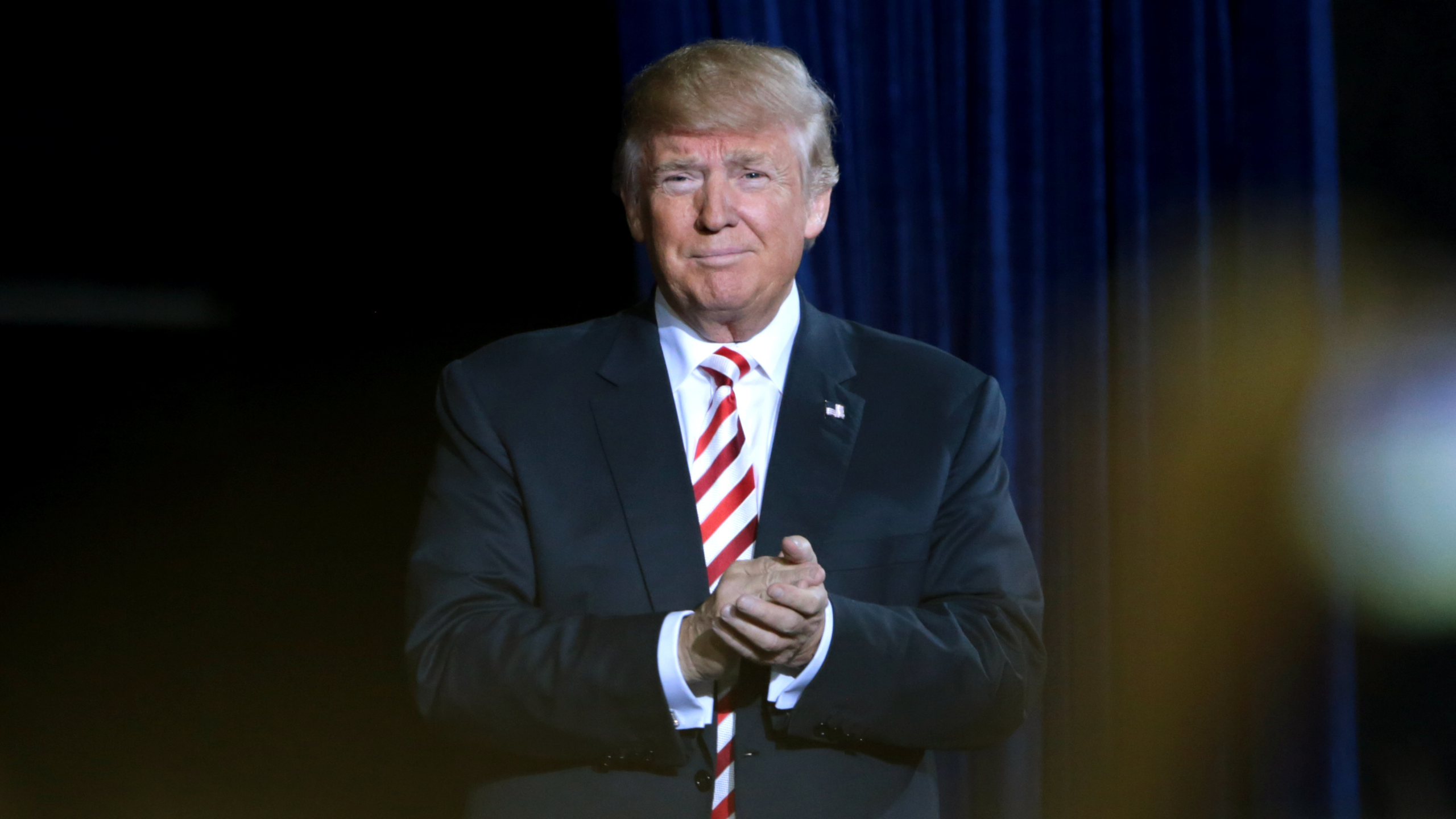
President Donald Trump has attributed the mystery behind the bruises on his hands to his long-term use of aspirin, dismissing ongoing speculation about potential health issues. In a rare and extensive interview with The Wall Street Journal published on January 1, 2026, Trump provided insight into his health, which has been under scrutiny as he continues his presidency at the age of 79.
During the interview, Trump revealed that he takes a daily dose of 325 milligrams of aspirin, significantly higher than the commonly recommended low dose of 81 milligrams for cardiovascular health. He explained that this higher dosage has made him prone to bruising, a claim that contradicts previous official explanations regarding his health. This admission has sparked renewed discussions about transparency in presidential health matters.
Trump’s acknowledgment of his aspirin use came amid a backdrop of public concern regarding his physical condition. The visible marks on his hands, combined with reports of swelling in his legs, have raised questions about his overall fitness for office. In previous months, images of Trump appearing to rest his eyes during meetings further fueled speculation about his health.
In addressing these concerns, Trump stated that he has maintained his high aspirin dosage for 25 years because he believes it helps keep his blood “nice and thin.” He candidly suggested that he is “a little superstitious” about modifying a routine he has relied upon for decades. Medical literature supports that while low-dose aspirin can help reduce the risk of heart attacks and strokes, higher doses can increase the risk of bleeding and bruising, particularly in older adults.
In the interview, Trump also recounted an incident involving a minor cut he sustained during a high-five with his attorney general nominee, which he used to illustrate how easily bruised his skin can be at his age. He admitted to using makeup or bandages to conceal bruises, indicating his awareness of public perception regarding his health.
The discussion around Trump’s health is not new; earlier in his presidency, swelling in his lower legs led to a diagnosis of chronic venous insufficiency, a common condition in older adults. Additionally, a diagnostic imaging procedure he previously referenced as an MRI was clarified to be a CT scan, conducted as part of a preventative cardiovascular evaluation. Trump expressed regret about the attention that this scan received, noting that it provided critics with ammunition to challenge his health despite the findings being “perfectly normal,” as confirmed by his physician, Captain Sean Barbabella of the Navy.
Despite the scrutiny, Trump maintains that his health is “perfect” and insists on his energy and mental sharpness. He pointed out that he starts his workday early and keeps a demanding schedule, crediting his “very good genetics.” He dismissed claims that he dozes off in public, attributing those moments to normal blinking or simply resting his eyes.
The president’s admissions have triggered varied reactions across political and medical communities. Supporters have praised his openness, viewing the bruising as a minor concern within the context of his demanding role. In contrast, critics argue that these revelations expose deeper issues regarding transparency and health management in leadership.
As the conversation around Trump’s condition continues, independent physicians have noted that visible symptoms like easy bruising can indicate benign age-related changes or the effects of medications. They emphasize the importance of transparency in a leader’s health, which is crucial for public trust.
The scrutiny intensified in late December 2025, following new observations of bruising on Trump’s left hand, complicating earlier explanations that attributed the marks solely to frequent handshaking. Independent experts who reviewed the images suggested that while age and aspirin use can account for the bruising, the pattern raises calls for more comprehensive disclosure about medications and underlying health conditions.
Political opponents have seized on the situation to advocate for stricter reporting requirements regarding presidential health. They assert that visible symptoms could mask more significant health issues if not accompanied by full medical transparency. Supporters, however, argue that the focus on Trump’s bruising detracts from substantive policy discussions.
As Trump seeks to quell speculation with his own narrative, the ongoing debate about his health, aspirin dosage, and the expectations around presidential transparency is poised to remain a significant element of the political discourse throughout 2026.

Moyes Faces Referee Controversy Ahead of Everton vs Chelsea Clash

Man Hospitalised After Assault Outside Shop in Sandwell

Fred MacAulay and Ally McCoist Reunite for Special World Cup Show

NoOnes Targets $1 Trillion Gift Card Market to Enhance Crypto Access

Beloved Actor Matt Clark Passes Away at 89, Fans Mourn Loss

Discover How Milk Thistle Supplements Enhance Liver Health

Irish Community Care Celebrates 60 Years of Support in Liverpool

New Affordable Housing Development Planned for Crawley Site

Millions of Parking Tickets Issued Amid Calls for Reform

Claire Tomlinson Bids Farewell to Sky Sports After 27 Years

Iconic 90s TV Show House Hits Market for £1.1 Million

Nathan Cleary’s Family Celebrates Engagement Amid Romance Rumors

Tributes Flow for Kerry Gentle, Beloved RNLI Volunteer and Artist

Milk Bank Urges Mothers to Donate for Premature Babies’ Health

Shoppers Flock to Discounted Neck Pillow on Amazon for Travel Comfort

Alessia Russo Signs Long-Term Deal with Arsenal Ahead of WSL Season

Nuneaton Town FC Advances Plans for New Stadium in Stockingford

Exploring England’s Cathedrals: A Journey Through History and Architecture
-
 Lifestyle8 months ago
Claire Tomlinson Bids Farewell to Sky Sports After 27 Years
-
 Entertainment11 months ago
Iconic 90s TV Show House Hits Market for £1.1 Million
-
 Sports1 year ago
Nathan Cleary’s Family Celebrates Engagement Amid Romance Rumors
-
 Lifestyle8 months ago
Tributes Flow for Kerry Gentle, Beloved RNLI Volunteer and Artist
-
 Lifestyle1 year ago
Milk Bank Urges Mothers to Donate for Premature Babies’ Health
-
 Lifestyle1 year ago
Shoppers Flock to Discounted Neck Pillow on Amazon for Travel Comfort
-
 Sports12 months ago
Alessia Russo Signs Long-Term Deal with Arsenal Ahead of WSL Season
-
 Sports9 months ago
Nuneaton Town FC Advances Plans for New Stadium in Stockingford
-
 Lifestyle1 year ago
Exploring England’s Cathedrals: A Journey Through History and Architecture
-

 Politics1 year ago
Museums Body Critiques EHRC Proposals on Gender Facilities
-

 Business1 year ago
Trump Visits Europe: Business, Politics, or Leisure?
-

 Lifestyle1 year ago
Japanese Teen Sorato Shimizu Breaks U18 100m Record in 10 Seconds