
Health
UK Scientists Unveil Smart Vest to Detect Hypothermia in Elderly

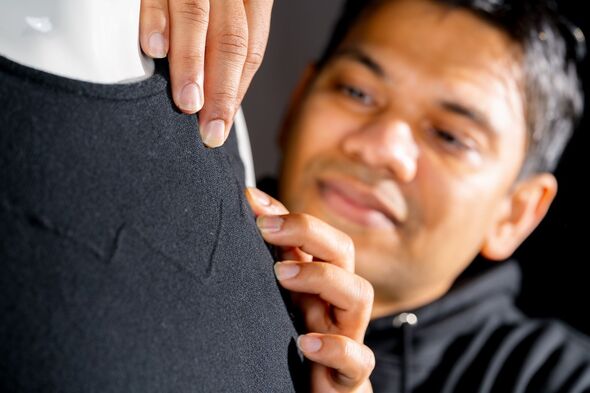
Scientists at Nottingham Trent University have developed an innovative vest designed to detect the risk of hypothermia in elderly individuals. This smart textile technology aims to address the heightened vulnerability faced by older adults, who often lose body heat more rapidly due to various health factors.
The project, led by Dr. Theo Hughes-Riley from the university’s Advanced Textiles Research Group, incorporates four miniature thermistors embedded within the fabric. These sensors monitor body temperature changes, providing crucial data that could help identify life-threatening health conditions before they escalate.
The findings from early trials indicated that the vest can reveal unique patterns of temperature fluctuations. Dr. Hughes-Riley emphasized the significance of this advancement, stating, “Hypothermia is a very dangerous condition, particularly for those who are elderly and live alone without anyone to raise the alarm for them should they become ill.” He noted that the vest allows caregivers and medical professionals to respond promptly to any detected risks, potentially saving lives.
In the UK, cold weather contributes to thousands of excess winter deaths annually. Public Health England reported that up to 10,000 deaths in England and Wales are linked to cold homes and fuel poverty, with hypothermia being a critical factor, especially among the elderly. Overall, around 35,000 excess winter deaths are attributed to various causes, with cold homes significantly exacerbating respiratory and circulatory health issues.
Hypothermia occurs when the body temperature drops below 35°C, leading to severe medical emergencies requiring immediate intervention. Symptoms include shivering, pale skin, slurred speech, and confusion. Understanding these risks is vital for ensuring timely treatment.
The vest’s thermistors, each measuring just 1mm by 0.5mm, are designed to maintain consistent contact with the skin. They operate on a semiconductor principle, where resistance decreases as the temperature rises. Data collected from these sensors are transmitted in real-time via Bluetooth to a mobile device, alerting caregivers if abnormal temperature readings persist.
Senior research fellow Dr. Arash Moghaddassian Shahidi highlighted the importance of this technology, stating, “By utilizing smart textiles technology in this way, we can help ensure that vulnerable older people are monitored around the clock for serious health conditions like hypothermia, where it is paramount that they receive urgent treatment.”
The thermistors are encapsulated in resin for washability and covered in a polyester braid, strategically placed at key areas on the body without being felt by the wearer. A prototype of the vest has undergone testing during various everyday movements, including sitting and walking, to ensure it functions accurately in real-world scenarios.
PhD researcher Kalana Marasinghe, who participated in testing the prototype, noted, “This research shows how smart textiles have the potential to save people’s lives by providing carers and clinicians with real-time data about a person’s health to help ensure they receive appropriate treatment.”
As the global population ages, innovations like this vest could play a crucial role in enhancing the safety and well-being of elderly individuals, particularly during the colder months.

Moyes Faces Referee Controversy Ahead of Everton vs Chelsea Clash

Man Hospitalised After Assault Outside Shop in Sandwell

Fred MacAulay and Ally McCoist Reunite for Special World Cup Show

NoOnes Targets $1 Trillion Gift Card Market to Enhance Crypto Access

Beloved Actor Matt Clark Passes Away at 89, Fans Mourn Loss

Discover How Milk Thistle Supplements Enhance Liver Health

Irish Community Care Celebrates 60 Years of Support in Liverpool

New Affordable Housing Development Planned for Crawley Site

Millions of Parking Tickets Issued Amid Calls for Reform

Claire Tomlinson Bids Farewell to Sky Sports After 27 Years

Iconic 90s TV Show House Hits Market for £1.1 Million

Nathan Cleary’s Family Celebrates Engagement Amid Romance Rumors

Tributes Flow for Kerry Gentle, Beloved RNLI Volunteer and Artist

Milk Bank Urges Mothers to Donate for Premature Babies’ Health

Shoppers Flock to Discounted Neck Pillow on Amazon for Travel Comfort

Alessia Russo Signs Long-Term Deal with Arsenal Ahead of WSL Season

Nuneaton Town FC Advances Plans for New Stadium in Stockingford

Exploring England’s Cathedrals: A Journey Through History and Architecture
-
 Lifestyle8 months ago
Claire Tomlinson Bids Farewell to Sky Sports After 27 Years
-
 Entertainment11 months ago
Iconic 90s TV Show House Hits Market for £1.1 Million
-
 Sports1 year ago
Nathan Cleary’s Family Celebrates Engagement Amid Romance Rumors
-
 Lifestyle8 months ago
Tributes Flow for Kerry Gentle, Beloved RNLI Volunteer and Artist
-
 Lifestyle1 year ago
Milk Bank Urges Mothers to Donate for Premature Babies’ Health
-
 Lifestyle1 year ago
Shoppers Flock to Discounted Neck Pillow on Amazon for Travel Comfort
-
 Sports12 months ago
Alessia Russo Signs Long-Term Deal with Arsenal Ahead of WSL Season
-
 Sports9 months ago
Nuneaton Town FC Advances Plans for New Stadium in Stockingford
-
 Lifestyle1 year ago
Exploring England’s Cathedrals: A Journey Through History and Architecture
-

 Politics1 year ago
Museums Body Critiques EHRC Proposals on Gender Facilities
-

 Business1 year ago
Trump Visits Europe: Business, Politics, or Leisure?
-

 Lifestyle1 year ago
Japanese Teen Sorato Shimizu Breaks U18 100m Record in 10 Seconds