
Lifestyle
Canadian Households Shift from Cable to Streaming Services

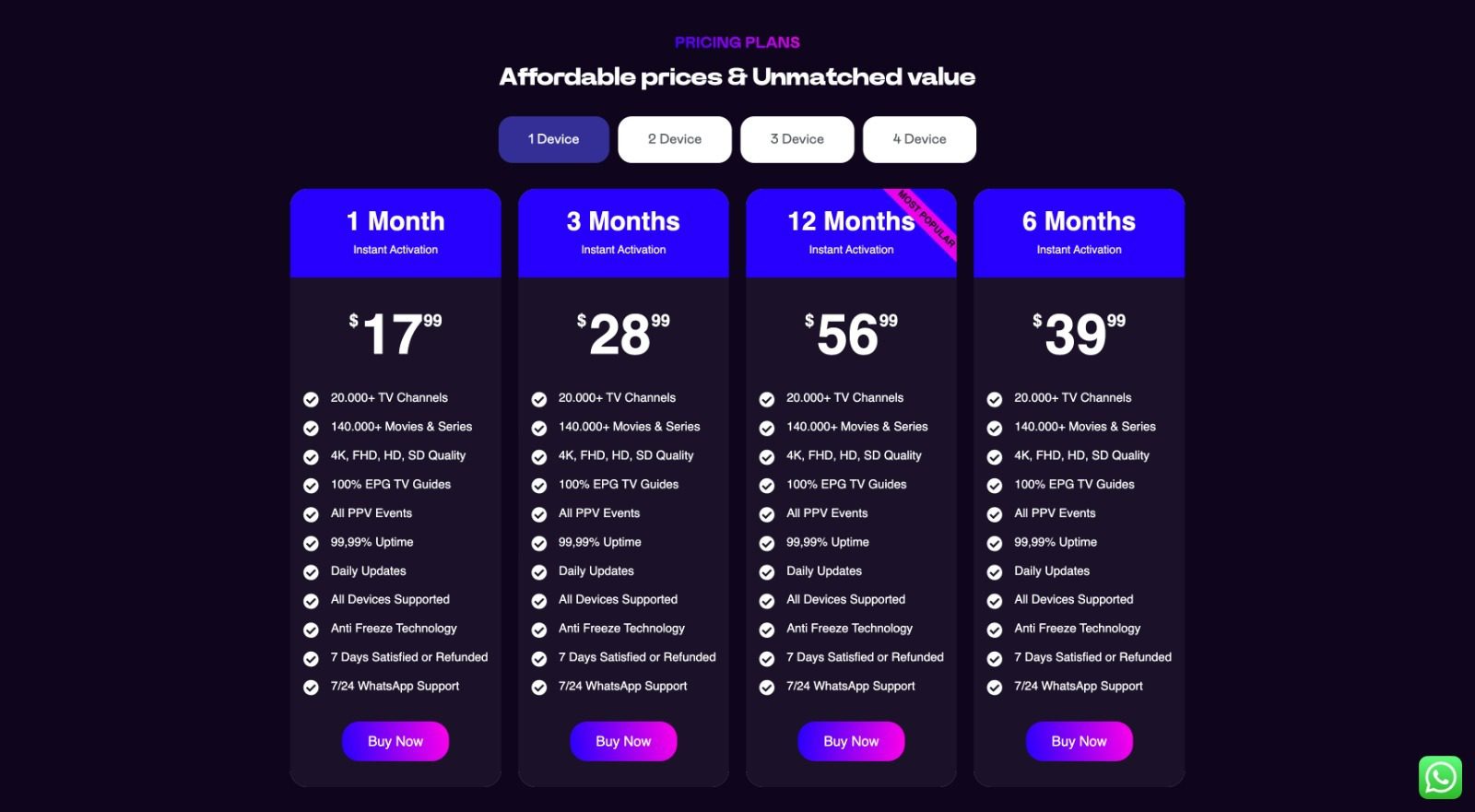
Canadian households are increasingly abandoning traditional cable television in favor of streaming services, with a notable 18% year-over-year increase in cord-cutting, according to Statistics Canada. This shift is particularly pronounced among younger demographics, reflecting not just a desire for savings but a fundamental change in media consumption habits.
The Economic Factors Behind Cord-Cutting
The average cost of traditional cable subscriptions in Canada ranges from $120 to $180 monthly, a significant burden as living expenses rise. In cities like Toronto and Vancouver, where affordability is a growing concern, entertainment expenses are leading targets for cutbacks. Beyond the basic subscription fees, Canadians also face equipment rental charges and installation costs, which further inflate their bills.
In contrast, streaming services provide extensive content libraries at a fraction of the cost of cable, typically without the hassle of long-term contracts or extra charges. For families feeling the impact of inflation on everyday necessities, the financial flexibility offered by streaming options is compelling.
Access to Content and Regulatory Challenges
Geographic limitations have historically restricted Canadian viewers’ access to international programming. The Canadian Radio-television and Telecommunications Commission (CRTC) imposes content quotas that prioritize Canadian productions, limiting the variety available through traditional broadcasters. As a result, Canadians seeking diverse programming, especially from the US, UK, and Europe, have often felt underserved.
Streaming technology has dismantled these barriers, allowing Canadians to access a broader array of programming. Sports fans can now tune into international leagues and events that were previously unavailable. For example, hockey enthusiasts can watch European league matches, while immigrant communities can enjoy content from their home countries, strengthening cultural ties.
Infrastructure and User Experience
The advancement of Canada’s telecommunications infrastructure has played a crucial role in this transition. Urban centers have developed fiber-optic connections with speeds exceeding 1 Gbps, while rural areas are benefiting from improved satellite internet and expanding 5G networks. This enhanced connectivity enables buffer-free streaming of 4K content.
Device compatibility has also broadened, with smart TVs, streaming sticks, and mobile devices becoming common platforms for viewing. Canadians can now watch their favorite shows during their commutes, at work, or at home, offering a level of flexibility that traditional cable services never provided.
However, the quality of streaming services can vary significantly. Canadians need providers that offer reliable uptime, high-definition options, and a wide range of channels. Services with North American servers typically deliver better performance compared to those based overseas. The best IPTV services in Canada provide channel lineups that include local favorites such as CBC, CTV, TSN, and Sportsnet, alongside international content.
Sports Viewing: A Key Driver
Access to sports content is a vital consideration for many Canadian households, particularly for fans of the NHL. Traditional cable packages often bundle sports channels with numerous unwanted extras, leading to inflated costs. As interest in sports like basketball and soccer grows, viewers increasingly seek flexible options that allow them to watch their preferred events without unnecessary expenses.
Streaming platforms now provide comprehensive sports coverage, enabling fans to follow multiple NHL games or catch CFL matchups simultaneously. The ability to watch different sporting events across multiple screens is a significant advantage over traditional cable setups.
Enhancing the Viewing Experience
Traditional cable interfaces are often criticized for being outdated and cumbersome. Slow-loading electronic program guides and inadequate search functions frustrate users accustomed to the streamlined interfaces of modern streaming platforms. These contemporary services prioritize user experience, offering intuitive search capabilities, personalized recommendations, and seamless playback across devices.
As Canadian viewers become accustomed to the user-friendly designs of platforms like Netflix and Disney+, they expect similar functionality from all their streaming services.
Legal Considerations in the Streaming Landscape
The streaming landscape in Canada is diverse, comprising both legitimate services and less reliable providers. As the CRTC adapts its regulations to this evolving market, Canadians must ensure that their chosen services comply with broadcasting laws and possess the necessary licenses for content distribution. Reputable providers are transparent about their operations, offering clear terms of service and dependable customer support, which are essential for maintaining viewer trust.
Future Trends in Streaming
The expansion of 5G networks is expected to further boost streaming adoption, particularly in rural and remote areas of Canada. As telecommunications companies invest in infrastructure, households that previously relied on satellite dishes for television access will gain new streaming opportunities. Additionally, Canadian streaming services are increasingly negotiating direct broadcasting rights, which may lead to exclusive content unavailable through traditional cable.
This ongoing evolution signals a fundamental shift in the industry, prompting traditional providers to respond with their own streaming applications and more flexible service packages. Rather than resisting change, these companies are adapting to meet consumer demands.
For Canadians contemplating the switch to streaming, assessing internet connection reliability and speed is crucial. Most services require a minimum of 25 Mbps for HD content and 50 Mbps for 4K streaming. Testing connections during peak hours can identify potential issues that may necessitate an upgrade.
Household viewing habits also play a role; families with multiple users streaming simultaneously will need sufficient bandwidth to avoid interruptions. Sports fans should confirm that their chosen services provide comprehensive coverage of their favorite teams and leagues before canceling cable subscriptions.
While the transition may involve a learning curve with new interfaces and viewing habits, many Canadians find that the expanded content selection and financial savings solidify their satisfaction with streaming services, making a return to traditional cable increasingly unlikely.

Moyes Faces Referee Controversy Ahead of Everton vs Chelsea Clash

Man Hospitalised After Assault Outside Shop in Sandwell

Fred MacAulay and Ally McCoist Reunite for Special World Cup Show

NoOnes Targets $1 Trillion Gift Card Market to Enhance Crypto Access

Beloved Actor Matt Clark Passes Away at 89, Fans Mourn Loss

Discover How Milk Thistle Supplements Enhance Liver Health

Irish Community Care Celebrates 60 Years of Support in Liverpool

New Affordable Housing Development Planned for Crawley Site

Millions of Parking Tickets Issued Amid Calls for Reform

Claire Tomlinson Bids Farewell to Sky Sports After 27 Years

Iconic 90s TV Show House Hits Market for £1.1 Million

Nathan Cleary’s Family Celebrates Engagement Amid Romance Rumors

Tributes Flow for Kerry Gentle, Beloved RNLI Volunteer and Artist

Milk Bank Urges Mothers to Donate for Premature Babies’ Health

Shoppers Flock to Discounted Neck Pillow on Amazon for Travel Comfort

Alessia Russo Signs Long-Term Deal with Arsenal Ahead of WSL Season

Nuneaton Town FC Advances Plans for New Stadium in Stockingford

Exploring England’s Cathedrals: A Journey Through History and Architecture
-
 Lifestyle8 months ago
Claire Tomlinson Bids Farewell to Sky Sports After 27 Years
-
 Entertainment11 months ago
Iconic 90s TV Show House Hits Market for £1.1 Million
-
 Sports1 year ago
Nathan Cleary’s Family Celebrates Engagement Amid Romance Rumors
-
 Lifestyle8 months ago
Tributes Flow for Kerry Gentle, Beloved RNLI Volunteer and Artist
-
 Lifestyle1 year ago
Milk Bank Urges Mothers to Donate for Premature Babies’ Health
-
 Lifestyle1 year ago
Shoppers Flock to Discounted Neck Pillow on Amazon for Travel Comfort
-
 Sports12 months ago
Alessia Russo Signs Long-Term Deal with Arsenal Ahead of WSL Season
-
 Sports9 months ago
Nuneaton Town FC Advances Plans for New Stadium in Stockingford
-
 Lifestyle1 year ago
Exploring England’s Cathedrals: A Journey Through History and Architecture
-

 Politics1 year ago
Museums Body Critiques EHRC Proposals on Gender Facilities
-

 Business1 year ago
Trump Visits Europe: Business, Politics, or Leisure?
-

 Lifestyle1 year ago
Japanese Teen Sorato Shimizu Breaks U18 100m Record in 10 Seconds