
Lifestyle
Controversy Erupts Over Newly Appointed Judge’s Troubling Ties

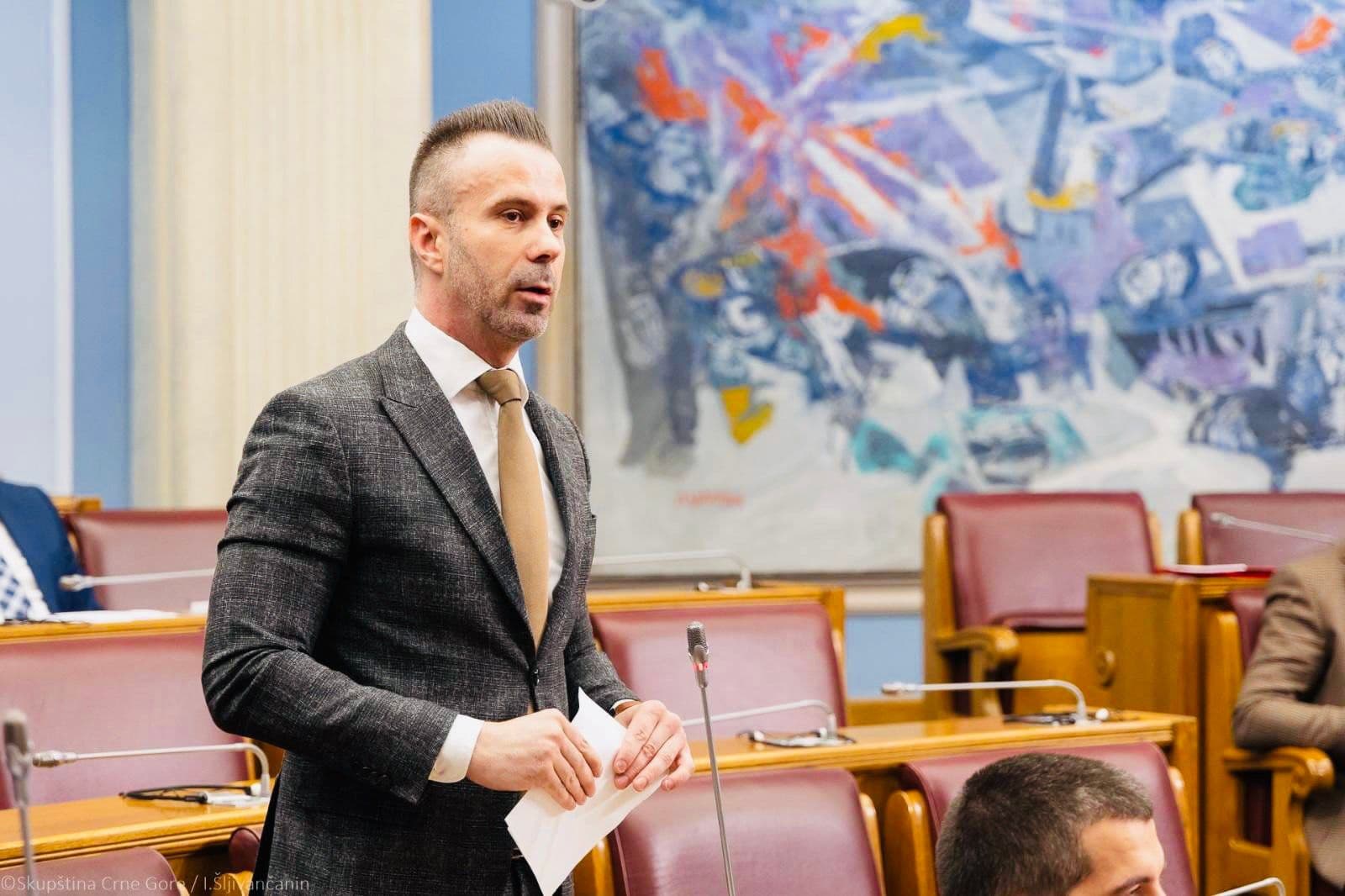
The recent appointment of a judge whose spouse has a criminal history has raised significant concerns within Montenegro’s judicial system. Boris Bogdanović, the leader of the Democratic Montenegro party, highlighted that the judge’s spouse has been convicted of serious crimes, including attempted murder and illegal possession of weapons and explosives. This revelation has prompted questions regarding the integrity and independence of the judiciary.
According to Bogdanović, the individual in question was sentenced to twelve years in prison in April 1999 and was released on August 8, 2006. Furthermore, in March 2018, they received a conditional sentence for illegal possession of a firearm. Bogdanović expressed alarm over the implications this situation poses for the public’s perception of judicial integrity, stating, “Is it normal for this convicted individual to publicly celebrate the appointment of their spouse as a judge?”
The controversy raises urgent inquiries about whether comprehensive security and ethical checks were conducted during the judge’s selection process. Bogdanović questioned if the potential reputational and institutional risks had been considered. He emphasized that without thorough integrity checks on those holding judicial positions, true reform and justice cannot be achieved.
“The absence of vetting has concrete consequences,” Bogdanović asserted, linking this lack of scrutiny to an environment in which criminal structures have thrived. He pointed to the case of Miloš Medenica, a criminal figure who escaped accountability, as indicative of a system that often deflects responsibility onto law enforcement rather than addressing the core issues within the judiciary.
Bogdanović urged for an immediate and uncompromising vetting process within the judicial system, stating that it is time to cease improvised measures and confront the reality of these troubling connections. He believes that true cleansing of the system is necessary to restore integrity and, consequently, public trust. “Without integrity, there is no trust. And without trust, there is no state,” he concluded.
The implications of this controversy resonate deeply in Montenegro’s ongoing efforts to reform its judiciary and combat corruption. As the situation unfolds, it remains critical for the relevant authorities to provide transparent answers to the public’s concerns regarding the integrity and independence of their legal system.

Moyes Faces Referee Controversy Ahead of Everton vs Chelsea Clash

Man Hospitalised After Assault Outside Shop in Sandwell

Fred MacAulay and Ally McCoist Reunite for Special World Cup Show

NoOnes Targets $1 Trillion Gift Card Market to Enhance Crypto Access

Beloved Actor Matt Clark Passes Away at 89, Fans Mourn Loss

Discover How Milk Thistle Supplements Enhance Liver Health

Irish Community Care Celebrates 60 Years of Support in Liverpool

New Affordable Housing Development Planned for Crawley Site

Millions of Parking Tickets Issued Amid Calls for Reform

Claire Tomlinson Bids Farewell to Sky Sports After 27 Years

Iconic 90s TV Show House Hits Market for £1.1 Million

Nathan Cleary’s Family Celebrates Engagement Amid Romance Rumors

Tributes Flow for Kerry Gentle, Beloved RNLI Volunteer and Artist

Milk Bank Urges Mothers to Donate for Premature Babies’ Health

Shoppers Flock to Discounted Neck Pillow on Amazon for Travel Comfort

Alessia Russo Signs Long-Term Deal with Arsenal Ahead of WSL Season

Nuneaton Town FC Advances Plans for New Stadium in Stockingford

Exploring England’s Cathedrals: A Journey Through History and Architecture
-
 Lifestyle8 months ago
Claire Tomlinson Bids Farewell to Sky Sports After 27 Years
-
 Entertainment11 months ago
Iconic 90s TV Show House Hits Market for £1.1 Million
-
 Sports1 year ago
Nathan Cleary’s Family Celebrates Engagement Amid Romance Rumors
-
 Lifestyle8 months ago
Tributes Flow for Kerry Gentle, Beloved RNLI Volunteer and Artist
-
 Lifestyle1 year ago
Milk Bank Urges Mothers to Donate for Premature Babies’ Health
-
 Lifestyle1 year ago
Shoppers Flock to Discounted Neck Pillow on Amazon for Travel Comfort
-
 Sports12 months ago
Alessia Russo Signs Long-Term Deal with Arsenal Ahead of WSL Season
-
 Sports9 months ago
Nuneaton Town FC Advances Plans for New Stadium in Stockingford
-
 Lifestyle1 year ago
Exploring England’s Cathedrals: A Journey Through History and Architecture
-

 Politics1 year ago
Museums Body Critiques EHRC Proposals on Gender Facilities
-

 Business1 year ago
Trump Visits Europe: Business, Politics, or Leisure?
-

 Lifestyle1 year ago
Japanese Teen Sorato Shimizu Breaks U18 100m Record in 10 Seconds