
Lifestyle
Encourage Children’s Speech Development Through Imitation Techniques

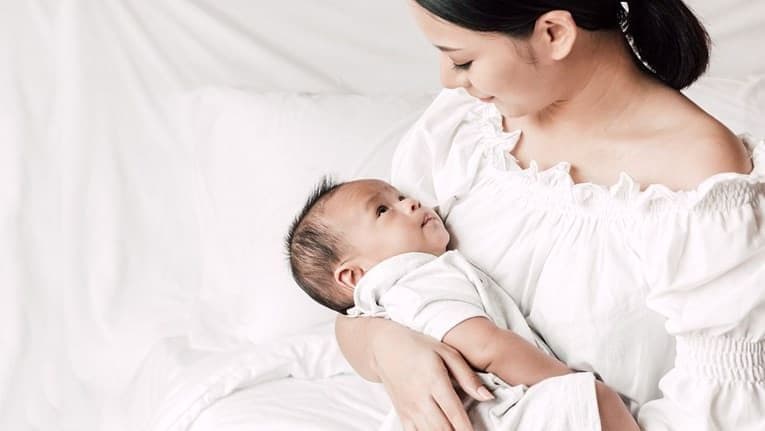
Promoting children’s speech development can be significantly enhanced through the technique of imitation, according to speech therapist Smilja Majevic. Infants as young as a few months old begin to imitate the actions of those around them, a fundamental part of their learning process. As babies grow, their motor skills develop, enabling them to engage more effectively in their environment. This interaction facilitates communication learning, which is essential in their early years.
By around the tenth month, children have typically matured in their motor abilities and are ready for new learning experiences. At this stage, mirror neurons become increasingly active, allowing children to learn and imitate behaviors more intensely. To foster a child’s communication skills, it is crucial for caregivers to engage in imitative play.
Strategies for Encouraging Communication
To support a child’s vocabulary development and overall communication skills, caregivers should consider imitating the child’s own sounds or activities. The initial reaction might be surprise, as the child observes an adult mimicking them. This can lead to joyful responses such as smiles or eye contact. Following this, the child may begin to test their reactions, often responding with laughter or by repeating the sounds they made.
For example, if a child is playing on the floor and making sounds like “mamamama,” an adult should imitate that sound with a smile and then pause to allow for interaction. The child may respond by repeating the sounds or modifying them, creating a playful dialogue. If there is no immediate response, caregivers should remain patient and try again later, as children may sometimes be distracted or tired.
Practical Examples of Imitation
Here are some simple yet effective ways to encourage communication through imitation:
1. **Sound Play**: If a child is making repetitive sounds, imitate them while facing the child, pausing after your imitation to invite a response.
2. **Water Play**: If a child is splashing in water, wait for a moment of stillness and then mimic the action, pausing again to see if the child will respond.
3. **Puddle Jumping**: After it rains, when a child jumps in puddles, approach and mirror the jumping motion, then stop to observe if the child engages further.
Successful imitation requires attentiveness from the caregiver. Being close enough for the child to see and hear, and expressing genuine interest through smiles and encouragement, reinforces the learning process.
Imitation is a vital learning tool in the early years of life. By actively demonstrating and mimicking, caregivers confirm to children that they are on the right path in their learning journey, motivating them to become more proficient communicators.
The insights shared in this article are based on guidance provided by the Hanen Centre, a Canadian nonprofit organization dedicated to supporting children with delayed speech and language development. Established in 1975, the Hanen Centre developed the “It Takes Two to Talk” program, which trains parents to enhance their child’s communication abilities. The Centre also provides training to speech-language pathologists worldwide to implement licensed programs effectively.

Moyes Faces Referee Controversy Ahead of Everton vs Chelsea Clash

Man Hospitalised After Assault Outside Shop in Sandwell

Fred MacAulay and Ally McCoist Reunite for Special World Cup Show

NoOnes Targets $1 Trillion Gift Card Market to Enhance Crypto Access

Beloved Actor Matt Clark Passes Away at 89, Fans Mourn Loss

Discover How Milk Thistle Supplements Enhance Liver Health

Irish Community Care Celebrates 60 Years of Support in Liverpool

New Affordable Housing Development Planned for Crawley Site

Millions of Parking Tickets Issued Amid Calls for Reform

Claire Tomlinson Bids Farewell to Sky Sports After 27 Years

Iconic 90s TV Show House Hits Market for £1.1 Million

Nathan Cleary’s Family Celebrates Engagement Amid Romance Rumors

Tributes Flow for Kerry Gentle, Beloved RNLI Volunteer and Artist

Milk Bank Urges Mothers to Donate for Premature Babies’ Health

Shoppers Flock to Discounted Neck Pillow on Amazon for Travel Comfort

Alessia Russo Signs Long-Term Deal with Arsenal Ahead of WSL Season

Nuneaton Town FC Advances Plans for New Stadium in Stockingford

Exploring England’s Cathedrals: A Journey Through History and Architecture
-
 Lifestyle8 months ago
Claire Tomlinson Bids Farewell to Sky Sports After 27 Years
-
 Entertainment11 months ago
Iconic 90s TV Show House Hits Market for £1.1 Million
-
 Sports1 year ago
Nathan Cleary’s Family Celebrates Engagement Amid Romance Rumors
-
 Lifestyle8 months ago
Tributes Flow for Kerry Gentle, Beloved RNLI Volunteer and Artist
-
 Lifestyle1 year ago
Milk Bank Urges Mothers to Donate for Premature Babies’ Health
-
 Lifestyle1 year ago
Shoppers Flock to Discounted Neck Pillow on Amazon for Travel Comfort
-
 Sports12 months ago
Alessia Russo Signs Long-Term Deal with Arsenal Ahead of WSL Season
-
 Sports9 months ago
Nuneaton Town FC Advances Plans for New Stadium in Stockingford
-
 Lifestyle1 year ago
Exploring England’s Cathedrals: A Journey Through History and Architecture
-

 Politics1 year ago
Museums Body Critiques EHRC Proposals on Gender Facilities
-

 Business1 year ago
Trump Visits Europe: Business, Politics, or Leisure?
-

 Lifestyle1 year ago
Japanese Teen Sorato Shimizu Breaks U18 100m Record in 10 Seconds