
Lifestyle
Lawmaker Critiques Proposed Security Laws Amid Public Outcry

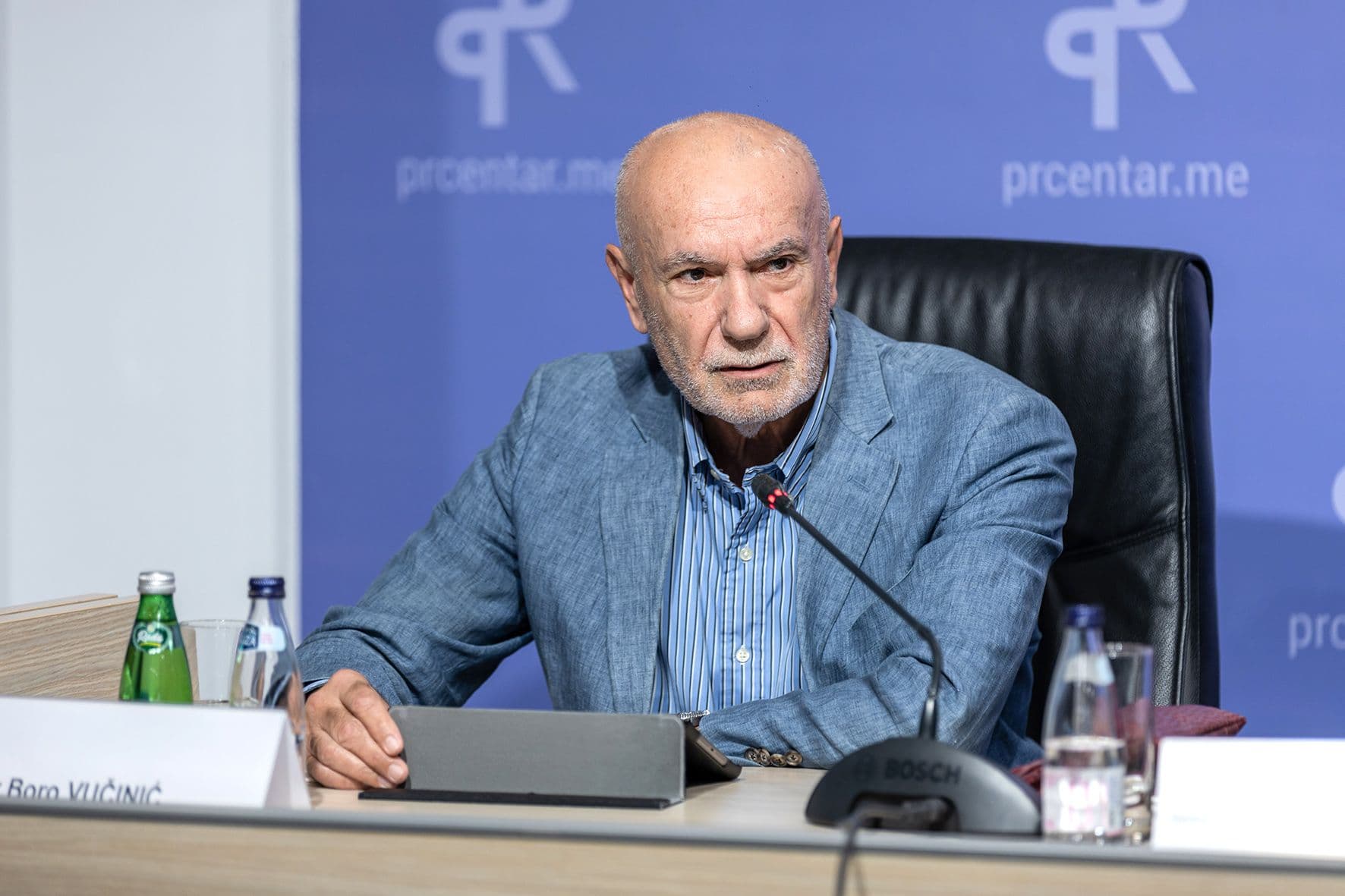
Boro Vučinić, a former director of the Agency for National Security in Montenegro, has raised concerns regarding recently proposed laws affecting national security and internal affairs. These laws, which have sparked public outcry due to their perceived lack of transparency and potential infringement on human rights, are currently under scrutiny as the government pushes for their adoption.
Concerns Over Transparency and Human Rights
Vučinić highlighted that the proposed legislation has deepened public fears concerning human rights violations. He pointed out that the absence of a comprehensive opinion from the European Commission raises serious questions about the reforms’ values. “What new reformative value do these laws bring to make our society more democratic and open?” he asked, emphasizing the need for clarity in an area that already generates significant public concern.
The proposed laws are designed to enhance the powers of the Agency for National Security, which is responsible for protecting Montenegro’s constitutional order, sovereignty, and territorial integrity. Vučinić noted that this has understandably triggered alarm among citizens and lawmakers alike due to the rapid and opaque nature of the legislative process.
He described the initial impression of the legislative process as troubling, particularly regarding the urgent push for government amendments. This haste, he argued, prevents lawmakers and the public from adequately understanding the implications of the proposed changes. “This creates suspicion that there may be elements intended to bypass democratic practices,” Vučinić stated.
Expanded Powers and Lack of Debate
The proposed amendments are set to grant the security agency broader powers, including enhanced protections for operatives and confidential collaborators. There are also plans for mandatory periodic security checks for all police officers every five years. Vučinić expressed concern that the public has not been sufficiently informed about the benefits of such significant changes to national security protocols.
“The process of adopting these laws has been poorly communicated to the public, and the benefits of these substantial changes have not been adequately explained,” Vučinić remarked.
He pointed out that the amendments include provisions allowing the Agency to restrict individual freedoms in exceptional situations, which raises further questions about civil liberties. “The ability for authorized personnel to limit a citizen’s freedom is a serious concern that necessitates thorough public discourse,” he noted.
Vučinić emphasized the need for a detailed explanation of the agency’s expanded operational capabilities, particularly regarding secret surveillance measures, tracking citizens, and accessing databases of legal entities, including banks and NGOs. He argued that such measures require public understanding to dispel doubts raised by civil society and opposition parties about potential political abuse of security institutions.
International Warnings and Legislative Process
International stakeholders have also warned that the proposed solutions grant excessively broad authorities without sufficient independent judicial oversight. Vučinić reiterated the necessity for additional amendments and public discussions to address these concerns adequately.
He mentioned the social implications of amendments that propose a special retirement regime under specific conditions, suggesting that this issue should also be opened for public debate due to its systemic significance.
Public sentiment regarding the proposed laws remains highly critical. On the day of the parliamentary session dedicated to discussing the laws, opposition members protested vocally, disrupting the proceedings. Despite this, Minister Danilo Šaranović proceeded to discuss the proposals, followed by Minister of Justice Bojan Božović, who faced interruptions during his address. Following disruptions, Vice President of Parliament Boris Pejović ultimately closed the session.
As the legislative process continues, the public and international observers will be closely watching how the Montenegrin government addresses these significant concerns regarding transparency, human rights, and democratic oversight.

Moyes Faces Referee Controversy Ahead of Everton vs Chelsea Clash

Man Hospitalised After Assault Outside Shop in Sandwell

Fred MacAulay and Ally McCoist Reunite for Special World Cup Show

NoOnes Targets $1 Trillion Gift Card Market to Enhance Crypto Access

Beloved Actor Matt Clark Passes Away at 89, Fans Mourn Loss

Discover How Milk Thistle Supplements Enhance Liver Health

Irish Community Care Celebrates 60 Years of Support in Liverpool

New Affordable Housing Development Planned for Crawley Site

Millions of Parking Tickets Issued Amid Calls for Reform

Claire Tomlinson Bids Farewell to Sky Sports After 27 Years

Iconic 90s TV Show House Hits Market for £1.1 Million

Tributes Flow for Kerry Gentle, Beloved RNLI Volunteer and Artist

Nathan Cleary’s Family Celebrates Engagement Amid Romance Rumors

Milk Bank Urges Mothers to Donate for Premature Babies’ Health

Shoppers Flock to Discounted Neck Pillow on Amazon for Travel Comfort

Alessia Russo Signs Long-Term Deal with Arsenal Ahead of WSL Season

Nuneaton Town FC Advances Plans for New Stadium in Stockingford

Museums Body Critiques EHRC Proposals on Gender Facilities
-
 Lifestyle6 months ago
Claire Tomlinson Bids Farewell to Sky Sports After 27 Years
-
 Entertainment9 months ago
Iconic 90s TV Show House Hits Market for £1.1 Million
-
 Lifestyle6 months ago
Tributes Flow for Kerry Gentle, Beloved RNLI Volunteer and Artist
-
 Sports11 months ago
Nathan Cleary’s Family Celebrates Engagement Amid Romance Rumors
-
 Lifestyle11 months ago
Milk Bank Urges Mothers to Donate for Premature Babies’ Health
-
 Lifestyle11 months ago
Shoppers Flock to Discounted Neck Pillow on Amazon for Travel Comfort
-
 Sports10 months ago
Alessia Russo Signs Long-Term Deal with Arsenal Ahead of WSL Season
-
 Sports8 months ago
Nuneaton Town FC Advances Plans for New Stadium in Stockingford
-
 Politics11 months ago
Museums Body Critiques EHRC Proposals on Gender Facilities
-

 Lifestyle11 months ago
Exploring England’s Cathedrals: A Journey Through History and Architecture
-

 Business11 months ago
Trump Visits Europe: Business, Politics, or Leisure?
-

 Lifestyle11 months ago
Japanese Teen Sorato Shimizu Breaks U18 100m Record in 10 Seconds