
Lifestyle
Montenegro Signs Driver’s License Agreement with Germany

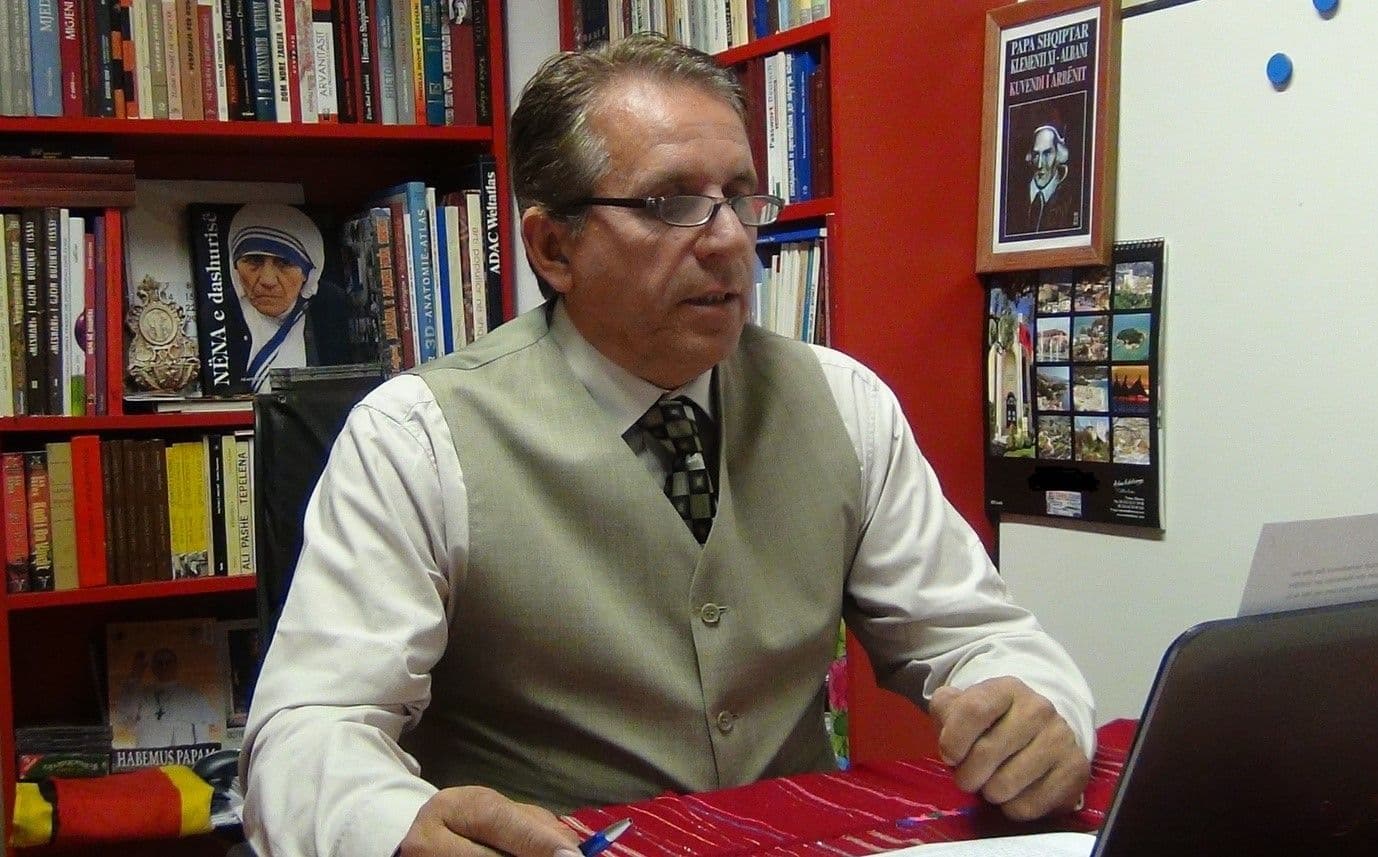
Montenegro took a significant step toward improving the status of its diaspora in Germany by signing a joint declaration aimed at mutually recognizing driver’s licenses. This agreement addresses a longstanding issue faced by the Montenegrin community in Germany, as highlighted by Dr. Nikola Šaban in an interview with the local newspaper, Pobjeda. The agreement was formalized between Montenegrin Prime Minister Milojko Spajić and German Minister of Transport Patrick Schnieder during a recent meeting in Berlin.
Spajić emphasized that this agreement reflects Germany’s commitment to fostering positive relations with Montenegro. He remarked that Germany has consistently demonstrated its support for Montenegro, especially within the context of European integration. The Prime Minister expressed confidence that under Germany’s leadership, Montenegro is on track to meet the requirements for full EU membership by 2028.
Minister Schnieder described the signing of the agreement as a pivotal moment for both nations and their citizens. He noted, “This agreement is another step in our increasingly strong partnership and shows that we can find pragmatic solutions that address the needs of our citizens.”
Both officials acknowledged that while the legislative process will commence in the first quarter of next year, they anticipate that the implementation of this measure will take effect swiftly across all German states, following recommendations from the German Ministry of Transport. Once in place, Montenegrin citizens will be able to exchange their driving licenses for cars and motorcycles without the need for an additional test. This change is expected to significantly enhance the status of the Montenegrin diaspora in Germany.
The recognition of Montenegrin driving licenses is contingent upon Montenegro being included in Annex 11 of the Driving License Regulations, often referred to as the list of countries. The full implementation of this process is expected by the first half of 2026.
Strengthening Integration Efforts
In addition to addressing driving licenses, Schnieder’s remarks also touched on broader efforts to combat the shortage of skilled labor in Germany, which is seen as a key factor for better integration of Montenegrin citizens. Dr. Šaban expressed optimism, stating that this agreement opens new avenues for addressing barriers to recognizing qualifications obtained in Montenegro, from vocational diplomas to higher education credentials.
Previously, Montenegrin citizens faced significant challenges in getting their vocational qualifications recognized by the German Chamber of Commerce. “This could be the next step from which both sides could benefit,” remarked Šaban. He noted that Germany would gain a qualified workforce, allowing Montenegrin citizens to potentially earn between €22 and €55 per hour, depending on their qualifications, instead of the current average of €12.
The agreement also specifies that license exchanges without testing will apply to categories A, B, C, D, and F. Dr. Šaban highlighted the necessity of ensuring that there are no restrictions and the recognition applies to all categories. He pointed out that, unlike Bosnia and Herzegovina, which only recognizes motorcycle and car categories, Montenegro should be granted similar recognition to that of Albania or Serbia.
Administrative Logistics
Dr. Šaban explained that the standard cost for exchanging a driving license in Germany ranges from €35 to €50. Required documents include a passport, a biometric photo, the original Montenegrin driver’s license with a translation, proof of residence in Germany, an eye examination report, a certificate of completed first-aid training, and a filled application form. Processing the application typically takes about three weeks.
He also noted potential additional provisions for Montenegrin licenses. The exact date for the agreement’s entry into force will be announced in due course, ensuring that local authorities in Germany are prepared to begin processing license exchanges.
Dr. Šaban emphasized the importance of the diaspora voicing their concerns more frequently, as this agreement reflects the government’s attentiveness to their needs. He acknowledged Pobjeda’s role in advocating for these issues, calling it the “voice of the Montenegrin diaspora in Germany.”
Addressing Identity and Citizenship
Shifting focus, Dr. Šaban raised concerns about the terminology used by the Montenegrin government when referring to citizens living abroad as “emigrants.” He clarified that many Montenegrin citizens in Germany did not migrate with the intention of permanent relocation. Initially, they arrived as laborers, political refugees, or for economic reasons, and many view Montenegro as their ultimate home.
He highlighted that most members of the diaspora are “double-rooted,” contributing to both nations, but they consider Montenegro their “final destination.” This perception renders the term “emigrant” inappropriate.
Dr. Šaban also called attention to the urgent need to resolve the registration of newborns in the diaspora, whose parents originate from Montenegro. He argued that descendants of those who have roots in Montenegro since the Berlin Congress of June 13, 1878 deserve legal recognition of their citizenship. He urged the government to advocate for this issue, emphasizing that no special agreement with Germany is necessary, especially since Germany has already recognized dual citizenship for all its citizens.
Dr. Nikola Šaban, a legal scholar and advocate, has lived in Germany for over 30 years. He has an extensive background in law, having worked as a lawyer and professor of Roman and criminal law. He earned his doctorate from the University of Tirana and collaborated with the University of Heidelberg on a thesis concerning the protection of human dignity from a comparative legal perspective.
In recognition of his volunteer work and contributions to community, social, scientific, and economic governance, Dr. Šaban received the Order of Honor from the Federal State of Rhineland-Palatinate on May 21, 2019, making him the first foreigner to receive this honor since its establishment in 1974.

Moyes Faces Referee Controversy Ahead of Everton vs Chelsea Clash

Man Hospitalised After Assault Outside Shop in Sandwell

Fred MacAulay and Ally McCoist Reunite for Special World Cup Show

NoOnes Targets $1 Trillion Gift Card Market to Enhance Crypto Access

Beloved Actor Matt Clark Passes Away at 89, Fans Mourn Loss

Discover How Milk Thistle Supplements Enhance Liver Health

Irish Community Care Celebrates 60 Years of Support in Liverpool

New Affordable Housing Development Planned for Crawley Site

Millions of Parking Tickets Issued Amid Calls for Reform

Claire Tomlinson Bids Farewell to Sky Sports After 27 Years

Iconic 90s TV Show House Hits Market for £1.1 Million

Tributes Flow for Kerry Gentle, Beloved RNLI Volunteer and Artist

Nathan Cleary’s Family Celebrates Engagement Amid Romance Rumors

Milk Bank Urges Mothers to Donate for Premature Babies’ Health

Shoppers Flock to Discounted Neck Pillow on Amazon for Travel Comfort

Alessia Russo Signs Long-Term Deal with Arsenal Ahead of WSL Season

Nuneaton Town FC Advances Plans for New Stadium in Stockingford

Museums Body Critiques EHRC Proposals on Gender Facilities
-
 Lifestyle6 months ago
Claire Tomlinson Bids Farewell to Sky Sports After 27 Years
-
 Entertainment10 months ago
Iconic 90s TV Show House Hits Market for £1.1 Million
-
 Lifestyle7 months ago
Tributes Flow for Kerry Gentle, Beloved RNLI Volunteer and Artist
-
 Sports11 months ago
Nathan Cleary’s Family Celebrates Engagement Amid Romance Rumors
-
 Lifestyle12 months ago
Milk Bank Urges Mothers to Donate for Premature Babies’ Health
-
 Lifestyle11 months ago
Shoppers Flock to Discounted Neck Pillow on Amazon for Travel Comfort
-
 Sports10 months ago
Alessia Russo Signs Long-Term Deal with Arsenal Ahead of WSL Season
-
 Sports8 months ago
Nuneaton Town FC Advances Plans for New Stadium in Stockingford
-
 Politics12 months ago
Museums Body Critiques EHRC Proposals on Gender Facilities
-

 Lifestyle11 months ago
Exploring England’s Cathedrals: A Journey Through History and Architecture
-

 Business12 months ago
Trump Visits Europe: Business, Politics, or Leisure?
-

 Lifestyle12 months ago
Japanese Teen Sorato Shimizu Breaks U18 100m Record in 10 Seconds