
Lifestyle
Students Threaten Boycott as Law Review Stalls for Five Years

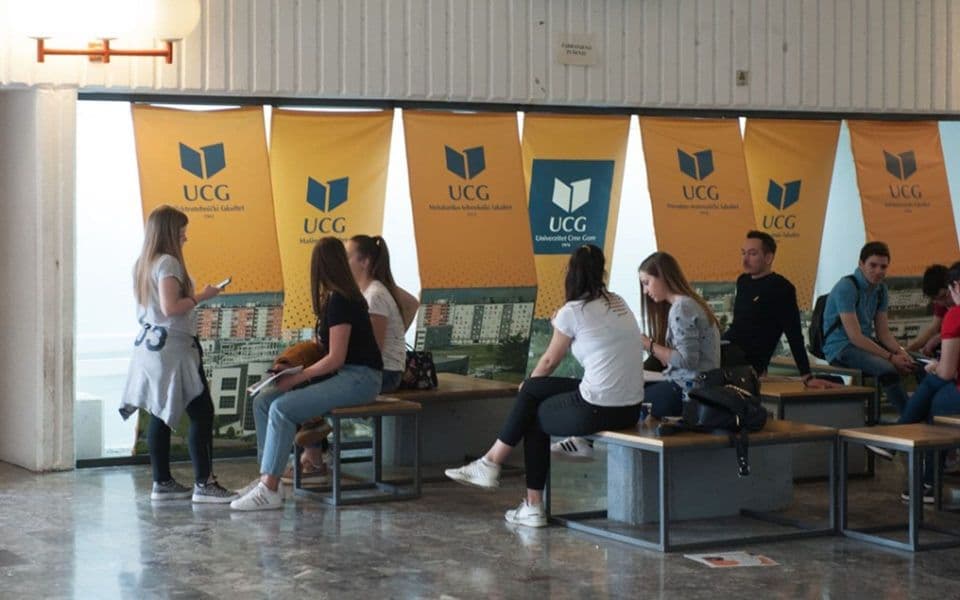
Students at the University of Montenegro have announced intentions to boycott classes due to delays in the approval of a critical piece of legislation. The proposed law, which has been under review for a staggering five years, is currently awaiting feedback from various relevant ministries, as stated by the Ministry of Education, Science, Culture, and Sports (MPNI).
The announcement comes as the university community grows increasingly frustrated with the prolonged legislative process. Professor Branka Bošnjak, strategic policy advisor to the rector, noted that this threat of a boycott is not unexpected. She emphasized that the delay in enacting the law has extended far beyond acceptable timeframes.
The proposed legislation is intended to address pressing issues affecting students and the academic environment at the university. Stakeholders have expressed concern that the ongoing delays hinder the institution’s ability to adapt and respond effectively to contemporary educational needs.
Students have voiced their discontent through various channels, organizing meetings and discussions to rally support for their cause. The prospect of a boycott underscores the urgency of the situation, as students seek to hold the administration accountable for the legislative stagnation.
As the government continues to seek consensus among the involved ministries, the university community remains on edge. The outcome of this legislative review will significantly impact students’ academic lives and the institution’s overall governance.
The Ministry of Education has acknowledged the concerns raised by students and is committed to expediting the process. However, the lengthy review has left many feeling that their voices are not being adequately heard, prompting calls for more direct engagement from policymakers.
In this tense atmosphere, the potential boycott serves as a stark reminder of the challenges faced by educational institutions in navigating legislative frameworks. The university’s administration now finds itself in a delicate position, needing to balance governmental procedures with the pressing demands of its student body.
As developments unfold, the focus remains on how quickly the government can finalize the legislative process and what concessions may be necessary to avoid a full-scale boycott. The situation at the University of Montenegro illustrates the broader issues that can arise when educational governance and student needs are misaligned.

Moyes Faces Referee Controversy Ahead of Everton vs Chelsea Clash

Man Hospitalised After Assault Outside Shop in Sandwell

Fred MacAulay and Ally McCoist Reunite for Special World Cup Show

NoOnes Targets $1 Trillion Gift Card Market to Enhance Crypto Access

Beloved Actor Matt Clark Passes Away at 89, Fans Mourn Loss

Discover How Milk Thistle Supplements Enhance Liver Health

Irish Community Care Celebrates 60 Years of Support in Liverpool

New Affordable Housing Development Planned for Crawley Site

Millions of Parking Tickets Issued Amid Calls for Reform

Claire Tomlinson Bids Farewell to Sky Sports After 27 Years

Iconic 90s TV Show House Hits Market for £1.1 Million

Nathan Cleary’s Family Celebrates Engagement Amid Romance Rumors

Tributes Flow for Kerry Gentle, Beloved RNLI Volunteer and Artist

Milk Bank Urges Mothers to Donate for Premature Babies’ Health

Shoppers Flock to Discounted Neck Pillow on Amazon for Travel Comfort

Alessia Russo Signs Long-Term Deal with Arsenal Ahead of WSL Season

Nuneaton Town FC Advances Plans for New Stadium in Stockingford

Exploring England’s Cathedrals: A Journey Through History and Architecture
-
 Lifestyle8 months ago
Claire Tomlinson Bids Farewell to Sky Sports After 27 Years
-
 Entertainment11 months ago
Iconic 90s TV Show House Hits Market for £1.1 Million
-
 Sports1 year ago
Nathan Cleary’s Family Celebrates Engagement Amid Romance Rumors
-
 Lifestyle8 months ago
Tributes Flow for Kerry Gentle, Beloved RNLI Volunteer and Artist
-
 Lifestyle1 year ago
Milk Bank Urges Mothers to Donate for Premature Babies’ Health
-
 Lifestyle1 year ago
Shoppers Flock to Discounted Neck Pillow on Amazon for Travel Comfort
-
 Sports12 months ago
Alessia Russo Signs Long-Term Deal with Arsenal Ahead of WSL Season
-
 Sports9 months ago
Nuneaton Town FC Advances Plans for New Stadium in Stockingford
-
 Lifestyle1 year ago
Exploring England’s Cathedrals: A Journey Through History and Architecture
-

 Politics1 year ago
Museums Body Critiques EHRC Proposals on Gender Facilities
-

 Business1 year ago
Trump Visits Europe: Business, Politics, or Leisure?
-

 Lifestyle1 year ago
Japanese Teen Sorato Shimizu Breaks U18 100m Record in 10 Seconds