
Lifestyle
Ukraine Exposes Russia’s Use of Chemical Weapons in Conflict

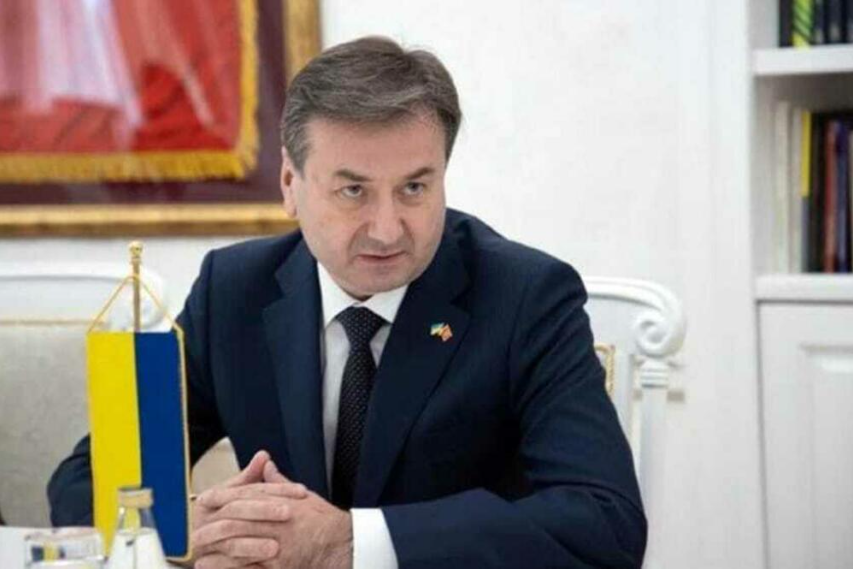
The ongoing conflict between Ukraine and Russia has escalated beyond traditional warfare, with alarming reports highlighting the systematic use of chemical weapons by Russian forces. In a recent statement, Oleh Herasymenko, the Ambassador of Ukraine to Montenegro, emphasized the need for the international community to recognize and respond to this grave violation of international law.
Herasymenko pointed out that while the world is accustomed to witnessing the aftermath of missile and artillery strikes, a more insidious form of aggression is taking place. The systematic deployment of chemical agents in military operations by Russia represents a breach of the Chemical Weapons Convention, which prohibits such actions.
Over the last three years, the Ukrainian Ministry of Defense has documented a staggering 12,016 instances of Russian troops employing munitions equipped with dangerous chemical substances. This diverse arsenal includes industrial-grade munitions like the K-51 and RG-Vo, as well as improvised explosive devices. Among the substances used are tear gas and irritants, particularly chloracetophenone (CN) and chlorobenzalmalononitrile (CS), which are banned for military use under international agreements.
The ambassador highlighted that the geographic distance between the chemical attacks in eastern Ukraine and the Adriatic coast should not lead to complacency. He warned that the impunity with which Russia operates undermines global security and the rule of law.
A significant concern is the evolving delivery methods of these chemical agents. In 2024 and 2025, Russian forces began deploying upgraded Molniya-2 drones capable of carrying gas munitions over distances of 40 to 80 kilometers. This development places not only frontline soldiers at risk but also civilian populations in nearby cities and villages.
The use of chemical substances is not merely a tactic of destruction; it is part of a coordinated strategy. Ukrainian forces have obtained Russian operational materials detailing the deployment of gas munitions intended to create unbearable conditions in shelters. This tactic aims to force Ukrainian soldiers out of protective positions into the open, exposing them to intense artillery fire. Documented instances of this strategy have specifically targeted units such as the 10th Separate Mountain Assault Brigade.
Such actions represent not only a contravention of the letter but also the spirit of the Chemical Weapons Convention and fundamental principles of international humanitarian law. The organized use of chemical agents in warfare is a clear violation of established norms.
According to Ukrainian intelligence, specific units within the Russian Armed Forces, including naval infantry and security structures like the Rosgvardiya, are involved in the deployment of these munitions. Evidence points to the production of these weapons in facilities located in the Moscow region, particularly the Scientific Research Institute of Applied Chemistry in Sergiyev Posad.
Despite the evidence, the Kremlin has attempted to deflect responsibility by accusing Ukraine of planning chemical attacks. These unfounded claims lack credible support and are designed to distract the international community from Russia’s actual violations.
Ukraine firmly asserts that it does not possess or develop chemical weapons and adheres to all international obligations. The Ukrainian Armed Forces are not equipped with munitions containing toxic chemical substances. The country’s defense is rooted in the unassailable right to self-defense as outlined in the UN Charter and conducted within the framework of international law.
Violations by Russia are no longer speculative but have been documented in reports from the Organization for the Prohibition of Chemical Weapons (OPCW), published in November 2024 and in February and June 2025. Consequently, Russia has failed to secure a seat on the OPCW Executive Council for three consecutive years, as the international community cannot trust a state that systematically undermines global non-proliferation and disarmament regimes.
The implications of these chemical attacks extend beyond Ukraine’s borders. If the world allows a state to violate conventions prohibiting the use of weapons of mass destruction without consequences, it sets a dangerous precedent for all nations.
Ukraine remains committed to working with the OPCW and its international partners to combat this form of aggression. Stopping such violations requires a clear, unified, and principled stance from all countries that share the values of international law. Protecting Ukraine in this context means defending the very foundations of security and humanity in the modern world.

Moyes Faces Referee Controversy Ahead of Everton vs Chelsea Clash

Man Hospitalised After Assault Outside Shop in Sandwell

Fred MacAulay and Ally McCoist Reunite for Special World Cup Show

NoOnes Targets $1 Trillion Gift Card Market to Enhance Crypto Access

Beloved Actor Matt Clark Passes Away at 89, Fans Mourn Loss

Discover How Milk Thistle Supplements Enhance Liver Health

Irish Community Care Celebrates 60 Years of Support in Liverpool

New Affordable Housing Development Planned for Crawley Site

Millions of Parking Tickets Issued Amid Calls for Reform

Claire Tomlinson Bids Farewell to Sky Sports After 27 Years

Iconic 90s TV Show House Hits Market for £1.1 Million

Nathan Cleary’s Family Celebrates Engagement Amid Romance Rumors

Tributes Flow for Kerry Gentle, Beloved RNLI Volunteer and Artist

Milk Bank Urges Mothers to Donate for Premature Babies’ Health

Shoppers Flock to Discounted Neck Pillow on Amazon for Travel Comfort

Alessia Russo Signs Long-Term Deal with Arsenal Ahead of WSL Season

Nuneaton Town FC Advances Plans for New Stadium in Stockingford

Exploring England’s Cathedrals: A Journey Through History and Architecture
-
 Lifestyle8 months ago
Claire Tomlinson Bids Farewell to Sky Sports After 27 Years
-
 Entertainment11 months ago
Iconic 90s TV Show House Hits Market for £1.1 Million
-
 Sports1 year ago
Nathan Cleary’s Family Celebrates Engagement Amid Romance Rumors
-
 Lifestyle8 months ago
Tributes Flow for Kerry Gentle, Beloved RNLI Volunteer and Artist
-
 Lifestyle1 year ago
Milk Bank Urges Mothers to Donate for Premature Babies’ Health
-
 Lifestyle1 year ago
Shoppers Flock to Discounted Neck Pillow on Amazon for Travel Comfort
-
 Sports12 months ago
Alessia Russo Signs Long-Term Deal with Arsenal Ahead of WSL Season
-
 Sports9 months ago
Nuneaton Town FC Advances Plans for New Stadium in Stockingford
-
 Lifestyle1 year ago
Exploring England’s Cathedrals: A Journey Through History and Architecture
-

 Politics1 year ago
Museums Body Critiques EHRC Proposals on Gender Facilities
-

 Business1 year ago
Trump Visits Europe: Business, Politics, or Leisure?
-

 Lifestyle1 year ago
Japanese Teen Sorato Shimizu Breaks U18 100m Record in 10 Seconds