
Lifestyle
Ukraine’s NATO Aspirations Shift as Conflict Dynamics Evolve

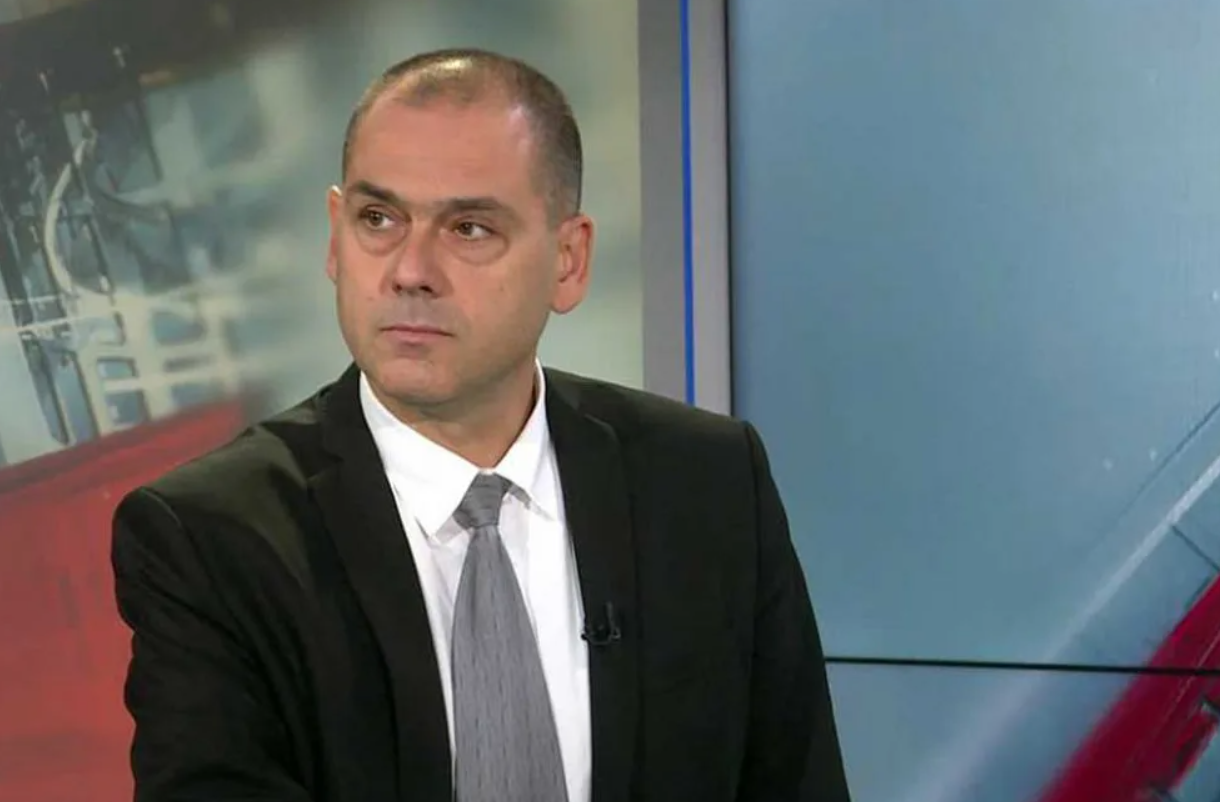
Military analyst Aleksandar Radić has stated that while Ukraine will not officially join NATO, the nation will continue to benefit from extensive cooperation with the alliance even after a potential ceasefire. Radić, speaking on the 24 Hours news program on Television E, emphasized that mechanisms for collaboration, intelligence sharing, and military supplies will remain in place, effectively providing Ukraine with NATO support behind the scenes.
The ongoing war in Ukraine may have reached a critical juncture, with both sides having outlined the minimum and maximum of their objectives, potentially paving the way for a ceasefire. Radić noted that Russia’s firm stance against Ukraine’s NATO membership contributed significantly to the conflict, marking it as a key reason for the invasion. He explained that NATO’s expansion into Scandinavia, with Finland and Sweden joining the alliance, has further pushed NATO’s presence eastward.
Radić pointed out that Russia’s political demands include preventing Ukraine’s NATO membership to allow the Kremlin to claim a form of victory in the ongoing war. He remarked, “Ukrainian President Volodymyr Zelensky must acknowledge that the price of a ceasefire and sustainable peace does not lie within NATO.” He believes that NATO’s Article 5, which stipulates collective defense, remains a contentious issue. A formal commitment would require NATO to intervene should Ukraine face further military aggression from Russia, escalating the conflict to a global scale.
As the situation unfolds, Radić indicated that a compromise has emerged: Ukraine will not be a formal NATO member, yet the alliance’s presence in Ukraine has long been established. He acknowledged that without NATO member support, the Ukrainian military would struggle to maintain its front line, relying on vast quantities of weaponry and military supplies, including F-16 fighter jets and various military vehicles, supplied during the conflict.
Despite the anticipated ceasefire, Radić stressed that cooperation mechanisms will continue. He stated, “Decisions and intelligence sharing will persist, ensuring that Ukraine effectively has NATO behind it.”
The analyst expressed skepticism regarding Moscow’s willingness to relinquish claims over four Ukrainian regions, including parts of Donetsk, Zaporizhzhia, and Kherson. He warned that these territories would remain a point of contention, and any perceived retreat from NATO membership could prompt a resurgence in Russian military aggression.
Radić also commented on the European Union’s stance towards Ukraine, noting a unified but varied interest among member states. While some countries extend unconditional support to Ukraine through military and humanitarian aid, others, like Hungary and Slovakia, have provided assistance with significant limitations. He highlighted Hungary’s policy of supporting Ukraine without delivering lethal assistance, opting instead for non-combat resources.
As for the future of EU-NATO relations and military support, Radić asserted that both organizations remain committed to aiding Ukraine. He underscored the establishment of various mechanisms for direct military support, including long-term arms procurement contracts, which are crucial for modernizing the Ukrainian military in the post-war period.
Turning to regional dynamics, Radić assessed the situation in Serbia, where President Aleksandar Vučić appears to sustain his political position through foreign support and strategic military procurements. He criticized the lack of transparency in Serbia’s military acquisition processes, indicating that significant deals often emerge only following high-level diplomatic meetings.
In conclusion, Radić believes that negotiations involving Montenegro and the EU have become intertwined with financial agreements, hinting that substantial sums, such as the reported €2.7 billion for aircraft, are indicative of broader strategic collaborations. He maintained that the intricacies of military and economic partnerships in the region illustrate the evolving landscape of European security and geopolitical alliances.

Moyes Faces Referee Controversy Ahead of Everton vs Chelsea Clash

Man Hospitalised After Assault Outside Shop in Sandwell

Fred MacAulay and Ally McCoist Reunite for Special World Cup Show

NoOnes Targets $1 Trillion Gift Card Market to Enhance Crypto Access

Beloved Actor Matt Clark Passes Away at 89, Fans Mourn Loss

Discover How Milk Thistle Supplements Enhance Liver Health

Irish Community Care Celebrates 60 Years of Support in Liverpool

New Affordable Housing Development Planned for Crawley Site

Millions of Parking Tickets Issued Amid Calls for Reform

Claire Tomlinson Bids Farewell to Sky Sports After 27 Years

Iconic 90s TV Show House Hits Market for £1.1 Million

Nathan Cleary’s Family Celebrates Engagement Amid Romance Rumors

Tributes Flow for Kerry Gentle, Beloved RNLI Volunteer and Artist

Milk Bank Urges Mothers to Donate for Premature Babies’ Health

Shoppers Flock to Discounted Neck Pillow on Amazon for Travel Comfort

Alessia Russo Signs Long-Term Deal with Arsenal Ahead of WSL Season

Nuneaton Town FC Advances Plans for New Stadium in Stockingford

Exploring England’s Cathedrals: A Journey Through History and Architecture
-
 Lifestyle8 months ago
Claire Tomlinson Bids Farewell to Sky Sports After 27 Years
-
 Entertainment11 months ago
Iconic 90s TV Show House Hits Market for £1.1 Million
-
 Sports1 year ago
Nathan Cleary’s Family Celebrates Engagement Amid Romance Rumors
-
 Lifestyle8 months ago
Tributes Flow for Kerry Gentle, Beloved RNLI Volunteer and Artist
-
 Lifestyle1 year ago
Milk Bank Urges Mothers to Donate for Premature Babies’ Health
-
 Lifestyle1 year ago
Shoppers Flock to Discounted Neck Pillow on Amazon for Travel Comfort
-
 Sports12 months ago
Alessia Russo Signs Long-Term Deal with Arsenal Ahead of WSL Season
-
 Sports9 months ago
Nuneaton Town FC Advances Plans for New Stadium in Stockingford
-
 Lifestyle1 year ago
Exploring England’s Cathedrals: A Journey Through History and Architecture
-

 Politics1 year ago
Museums Body Critiques EHRC Proposals on Gender Facilities
-

 Business1 year ago
Trump Visits Europe: Business, Politics, or Leisure?
-

 Lifestyle1 year ago
Japanese Teen Sorato Shimizu Breaks U18 100m Record in 10 Seconds