
Politics
Iraq PM Al-Sudani Warns of Escalating Regional Security Threats

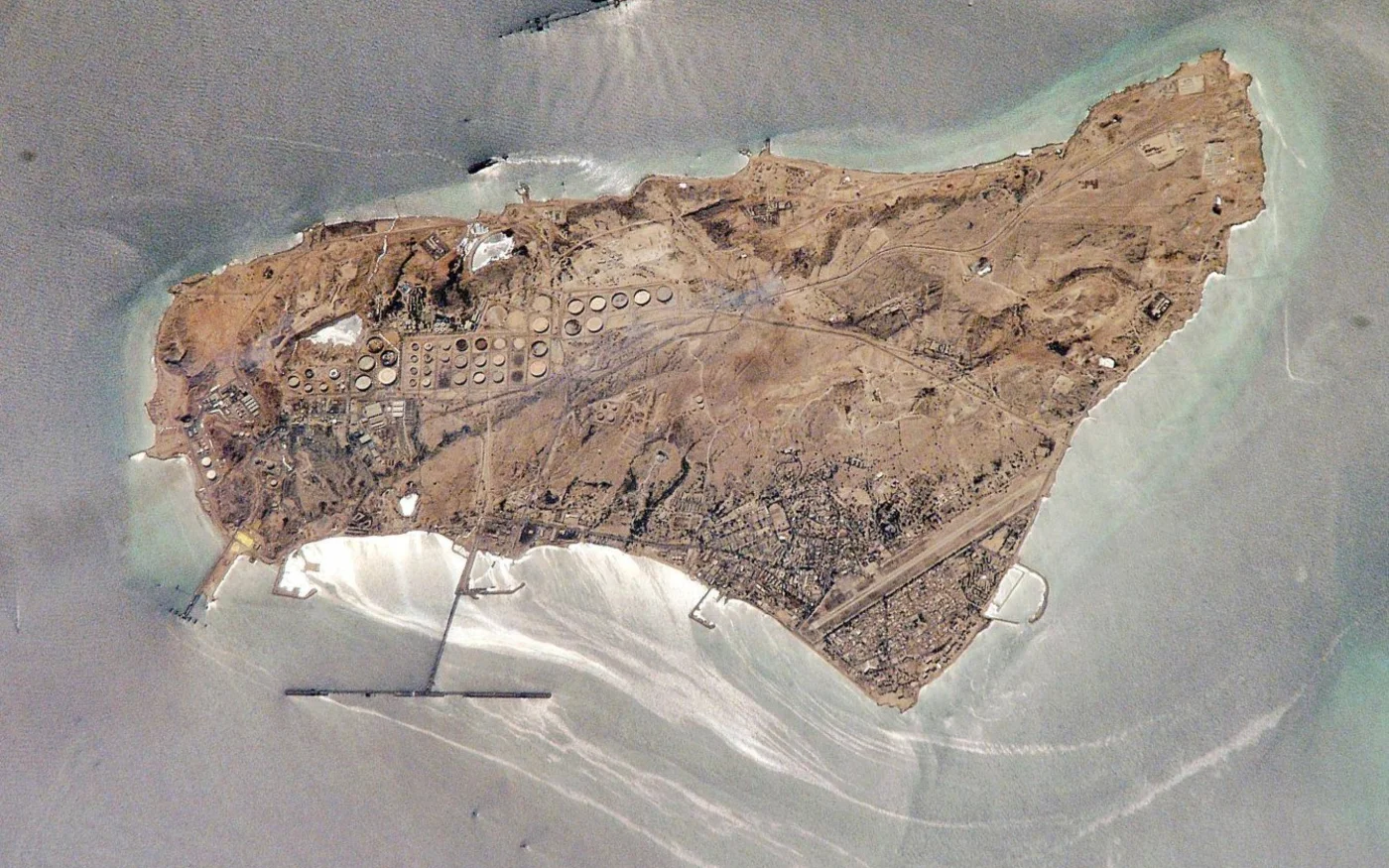
Iraqi Prime Minister Mohammed Shia’ al-Sudani has issued a stark warning regarding the deteriorating security situation in the region, emphasizing the risks posed by ongoing attacks on diplomatic missions and coalition facilities. His remarks reflect deepening concerns that these incidents could exacerbate Iraq’s current crisis.
In a statement made on March 4, 2024, Al-Sudani underscored the impact of continued military operations on regional stability. “The security situation in the region is worsening due to the continuation of military operations,” he said, highlighting the urgency of the matter. His comments came in response to a series of attacks that have targeted both foreign diplomatic missions and facilities utilized by coalition forces in Iraq.
Al-Sudani also condemned the violence directed towards the Popular Mobilization Forces (PMF), a key Iraqi paramilitary coalition that works alongside the country’s official security forces. “We condemn the targeting of our security forces in the Popular Mobilization Forces and we will do everything we can to protect them,” he stated, reiterating the government’s commitment to safeguarding its military personnel.
Heightened Tensions and Threats to Security
The Prime Minister’s warnings come amidst a backdrop of escalating tensions in the region, with various factions engaging in hostilities that threaten not only Iraq’s sovereignty but also the safety of diplomatic missions operating within its borders. Attacks on diplomatic sites have raised alarm among international partners, prompting discussions about the security of personnel and assets.
The PMF, established in 2014 to combat ISIS, has been integral to Iraq’s security landscape. However, their involvement in ongoing conflicts has made them a target for various militant groups. Al-Sudani’s government has faced criticism for its handling of security issues, with some citizens expressing concerns over the effectiveness of current strategies.
While the Iraqi government seeks to stabilize the situation, the potential for further violence looms large. International observers are closely monitoring developments, as the implications of increased insecurity extend beyond Iraq’s borders, affecting regional alliances and geopolitical dynamics.
The Path Forward
As the situation unfolds, Al-Sudani is likely to face significant pressure from both local and international stakeholders to address the root causes of insecurity. The Prime Minister’s recent statements signal a call for unity and a collective effort to ensure the safety of both Iraqi citizens and foreign nationals.
In light of these challenges, the Iraqi government may need to reassess its security strategies and foster dialogue among various factions to mitigate the risks of further escalation. The international community, particularly allied nations, may also play a crucial role in supporting Iraq’s efforts to maintain stability in this increasingly volatile environment.
The coming weeks will be critical as Iraq navigates these complex challenges, with the hope that proactive measures can prevent further deterioration of the security landscape.

Moyes Faces Referee Controversy Ahead of Everton vs Chelsea Clash

Man Hospitalised After Assault Outside Shop in Sandwell

Fred MacAulay and Ally McCoist Reunite for Special World Cup Show

NoOnes Targets $1 Trillion Gift Card Market to Enhance Crypto Access

Beloved Actor Matt Clark Passes Away at 89, Fans Mourn Loss

Discover How Milk Thistle Supplements Enhance Liver Health

Irish Community Care Celebrates 60 Years of Support in Liverpool

New Affordable Housing Development Planned for Crawley Site

Millions of Parking Tickets Issued Amid Calls for Reform

Claire Tomlinson Bids Farewell to Sky Sports After 27 Years

Iconic 90s TV Show House Hits Market for £1.1 Million

Tributes Flow for Kerry Gentle, Beloved RNLI Volunteer and Artist

Nathan Cleary’s Family Celebrates Engagement Amid Romance Rumors

Milk Bank Urges Mothers to Donate for Premature Babies’ Health

Shoppers Flock to Discounted Neck Pillow on Amazon for Travel Comfort

Alessia Russo Signs Long-Term Deal with Arsenal Ahead of WSL Season

Nuneaton Town FC Advances Plans for New Stadium in Stockingford

Exploring England’s Cathedrals: A Journey Through History and Architecture
-
 Lifestyle8 months ago
Claire Tomlinson Bids Farewell to Sky Sports After 27 Years
-
 Entertainment11 months ago
Iconic 90s TV Show House Hits Market for £1.1 Million
-
 Lifestyle8 months ago
Tributes Flow for Kerry Gentle, Beloved RNLI Volunteer and Artist
-
 Sports1 year ago
Nathan Cleary’s Family Celebrates Engagement Amid Romance Rumors
-
 Lifestyle1 year ago
Milk Bank Urges Mothers to Donate for Premature Babies’ Health
-
 Lifestyle1 year ago
Shoppers Flock to Discounted Neck Pillow on Amazon for Travel Comfort
-
 Sports12 months ago
Alessia Russo Signs Long-Term Deal with Arsenal Ahead of WSL Season
-
 Sports9 months ago
Nuneaton Town FC Advances Plans for New Stadium in Stockingford
-
 Lifestyle1 year ago
Exploring England’s Cathedrals: A Journey Through History and Architecture
-

 Politics1 year ago
Museums Body Critiques EHRC Proposals on Gender Facilities
-

 Business1 year ago
Trump Visits Europe: Business, Politics, or Leisure?
-

 Lifestyle1 year ago
Japanese Teen Sorato Shimizu Breaks U18 100m Record in 10 Seconds