
Politics
Kerala Becomes Keralam: Name Change Sparks Nationwide Debate

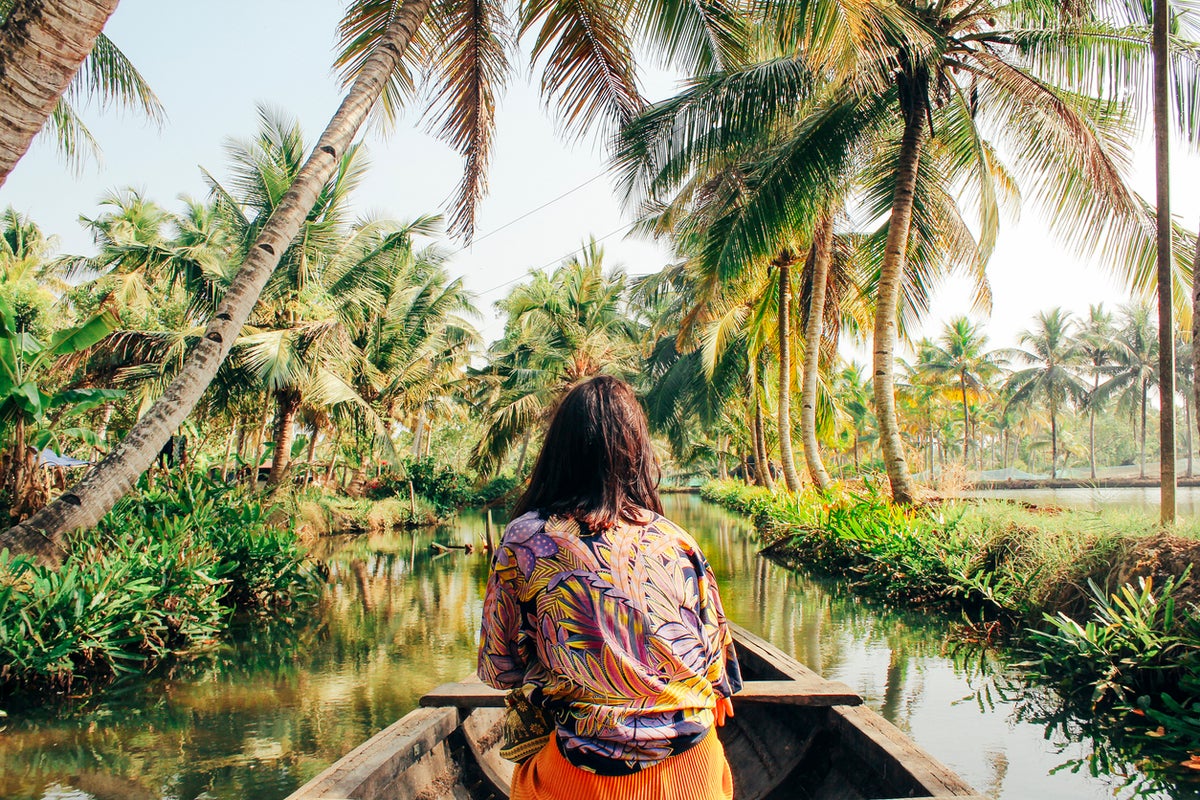
The Indian government has officially approved the renaming of the southern state of Kerala to Keralam, igniting a wave of calls for similar changes across the country. Prime Minister Narendra Modi announced the decision, emphasizing that it reflects the preferences of the local population, who primarily speak Malayalam. This move aims to reconnect with India’s pre-colonial heritage and cultural identity.
The name Keralam translates to “land of coconut trees,” a nod to the state’s significant coconut production, which accounts for nearly 45 percent of India’s total output. With about 35 million residents, Keralam is often celebrated for its picturesque landscapes, earning the moniker “God’s own country.” The timing of the announcement has raised eyebrows, as it comes just months before assembly elections, where Modi’s Hindu nationalist party, the Bharatiya Janata Party (BJP), seeks to establish a stronger foothold.
The push for this name change has been championed by the state’s Chief Minister Pinarayi Vijayan, who has advocated for Keralam since 2023. Vijayan argues that the state should be recognized by the name its residents use, a sentiment echoed by opposition leader Rajeev Chandrasekhar. He remarked, “The demand for a united Keralam for the people who speak Malayalam has been strong since the days of the freedom struggle.”
In the wake of this decision, some officials are now calling for the renaming of other regions, including the national capital, Delhi. Chief Minister Mamata Banerjee of West Bengal expressed her frustration, alleging that the approval for Keralam reflects a political alliance between the CPI and BJP, while her own requests to rename West Bengal to “Bangla” have been dismissed. Banerjee has argued that this change would help the state avoid being listed last in alphabetical order at official meetings, where it often receives less attention.
Concerns have emerged about the implications of Keralam on identity. Congress MP Shashi Tharoor welcomed the change but raised questions about the future of terms like “Keralite” and “Keralan.” He pointed out that the name Kerala has colonial connotations, as noted by Sree Prakash Purayath, General Secretary of the Indian Association in Sharjah, who stated that many Keralites work abroad and contribute significantly to the state’s economy through remittances.
The proposal to rename Kerala will soon be presented to the Indian Parliament. If approved, Keralam will be the official name recorded in English-language documents. This name change is part of a broader trend in India, where several cities and states have been renamed to reflect local languages and cultural identities. Examples include Bombay becoming Mumbai and Madras being renamed Chennai.
The discussion surrounding the name change has also revived speculation about a potential shift in India’s national identity. In 2023, invites sent by President Droupadi Murmu referring to herself as “President of Bharat” during the G20 summit raised questions about whether the government is considering an official change from India to Bharat.
Given the BJP’s focus on promoting Hindi and Hindu nationalism, critics have expressed concerns that such changes might be politically motivated rather than genuinely reflecting the diverse cultural landscape of the country. As the debate continues, the impact of Keralam’s renaming could resonate far beyond the state’s borders, influencing discussions about identity and heritage across India.

Moyes Faces Referee Controversy Ahead of Everton vs Chelsea Clash

Man Hospitalised After Assault Outside Shop in Sandwell

Fred MacAulay and Ally McCoist Reunite for Special World Cup Show

NoOnes Targets $1 Trillion Gift Card Market to Enhance Crypto Access

Beloved Actor Matt Clark Passes Away at 89, Fans Mourn Loss

Discover How Milk Thistle Supplements Enhance Liver Health

Irish Community Care Celebrates 60 Years of Support in Liverpool

New Affordable Housing Development Planned for Crawley Site

Millions of Parking Tickets Issued Amid Calls for Reform

Claire Tomlinson Bids Farewell to Sky Sports After 27 Years

Iconic 90s TV Show House Hits Market for £1.1 Million

Tributes Flow for Kerry Gentle, Beloved RNLI Volunteer and Artist

Nathan Cleary’s Family Celebrates Engagement Amid Romance Rumors

Milk Bank Urges Mothers to Donate for Premature Babies’ Health

Shoppers Flock to Discounted Neck Pillow on Amazon for Travel Comfort

Alessia Russo Signs Long-Term Deal with Arsenal Ahead of WSL Season

Nuneaton Town FC Advances Plans for New Stadium in Stockingford

Museums Body Critiques EHRC Proposals on Gender Facilities
-
 Lifestyle7 months ago
Claire Tomlinson Bids Farewell to Sky Sports After 27 Years
-
 Entertainment10 months ago
Iconic 90s TV Show House Hits Market for £1.1 Million
-
 Lifestyle7 months ago
Tributes Flow for Kerry Gentle, Beloved RNLI Volunteer and Artist
-
 Sports1 year ago
Nathan Cleary’s Family Celebrates Engagement Amid Romance Rumors
-
 Lifestyle1 year ago
Milk Bank Urges Mothers to Donate for Premature Babies’ Health
-
 Lifestyle1 year ago
Shoppers Flock to Discounted Neck Pillow on Amazon for Travel Comfort
-
 Sports11 months ago
Alessia Russo Signs Long-Term Deal with Arsenal Ahead of WSL Season
-
 Sports9 months ago
Nuneaton Town FC Advances Plans for New Stadium in Stockingford
-
 Politics1 year ago
Museums Body Critiques EHRC Proposals on Gender Facilities
-

 Lifestyle1 year ago
Exploring England’s Cathedrals: A Journey Through History and Architecture
-

 Business1 year ago
Trump Visits Europe: Business, Politics, or Leisure?
-

 Lifestyle1 year ago
Japanese Teen Sorato Shimizu Breaks U18 100m Record in 10 Seconds