
Science
AI-Generated Music Evokes Stronger Emotions than Human Compositions

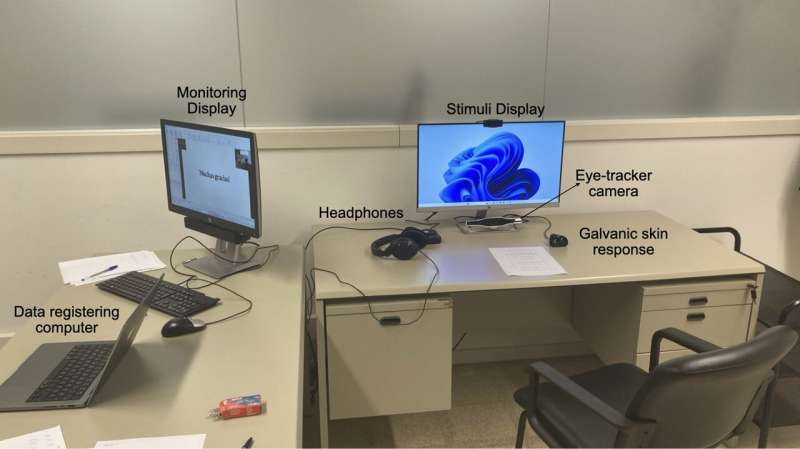
Generative artificial intelligence (Gen AI) is making waves in the creative sector, particularly in music. A recent study published in PLOS One examined whether AI-generated music can elicit emotional responses comparable to those produced by human composers. Conducted by the Neuro-Com Research Group from the Autonomous University of Barcelona (UAB), the research involved collaboration with the RTVE Institute in Barcelona and the University of Ljubljana in Slovenia.
The study involved 88 participants who viewed audiovisual clips featuring identical visuals but accompanied by three distinct sound conditions: music composed by humans, AI-generated music crafted from a complex prompt, and AI-generated music created from a simpler prompt. The researchers measured participants’ physiological responses, including pupil dilation, blinking, and galvanic skin response, alongside their self-reported emotional reactions.
The findings revealed that AI-generated music triggered significantly greater pupil dilation, which indicates heightened emotional arousal among listeners. Specifically, music produced with sophisticated prompts led to more blinking and greater changes in skin response, suggesting a higher cognitive load. Interestingly, while participants perceived AI-generated music as more exciting, they found human-composed music to be more familiar.
Nikolaj Fišer, the lead author of the study, noted that “both types of AI-generated music led to greater pupil dilation and were perceived as more emotionally stimulating compared to human-created music.” This physiological response is closely associated with elevated emotional arousal levels. Fišer added that “our findings suggest that decoding the emotional information in AI-generated music may require greater cognitive effort,” highlighting a potential divergence in how human brains process AI-generated versus human-composed music.
These insights hold significant implications for the future of audiovisual production. The ability to customize music to align with visual narratives could enhance resource efficiency in creative processes. Moreover, the potential for fine-tuning emotional impact with automated tools offers new avenues for creators looking to evoke specific responses from their audiences.
This research not only expands our understanding of emotional responses to sound stimuli but also poses challenges for designing effective sensory experiences in audiovisual media. With AI’s growing role in creative fields, understanding how this technology influences emotional engagement is crucial.
For more detailed insights, refer to the study by Nikolaj Fišer et al., titled “Emotional impact of AI-generated vs. human-composed music in audiovisual media: A biometric and self-report study,” published in PLOS One on July 24, 2025. The study can be accessed through DOI: 10.1371/journal.pone.0326498.

Moyes Faces Referee Controversy Ahead of Everton vs Chelsea Clash

Man Hospitalised After Assault Outside Shop in Sandwell

Fred MacAulay and Ally McCoist Reunite for Special World Cup Show

NoOnes Targets $1 Trillion Gift Card Market to Enhance Crypto Access

Beloved Actor Matt Clark Passes Away at 89, Fans Mourn Loss

Discover How Milk Thistle Supplements Enhance Liver Health

Irish Community Care Celebrates 60 Years of Support in Liverpool

New Affordable Housing Development Planned for Crawley Site

Millions of Parking Tickets Issued Amid Calls for Reform

Claire Tomlinson Bids Farewell to Sky Sports After 27 Years

Iconic 90s TV Show House Hits Market for £1.1 Million

Nathan Cleary’s Family Celebrates Engagement Amid Romance Rumors

Tributes Flow for Kerry Gentle, Beloved RNLI Volunteer and Artist

Milk Bank Urges Mothers to Donate for Premature Babies’ Health

Shoppers Flock to Discounted Neck Pillow on Amazon for Travel Comfort

Alessia Russo Signs Long-Term Deal with Arsenal Ahead of WSL Season

Nuneaton Town FC Advances Plans for New Stadium in Stockingford

Exploring England’s Cathedrals: A Journey Through History and Architecture
-
 Lifestyle8 months ago
Claire Tomlinson Bids Farewell to Sky Sports After 27 Years
-
 Entertainment11 months ago
Iconic 90s TV Show House Hits Market for £1.1 Million
-
 Sports1 year ago
Nathan Cleary’s Family Celebrates Engagement Amid Romance Rumors
-
 Lifestyle8 months ago
Tributes Flow for Kerry Gentle, Beloved RNLI Volunteer and Artist
-
 Lifestyle1 year ago
Milk Bank Urges Mothers to Donate for Premature Babies’ Health
-
 Lifestyle1 year ago
Shoppers Flock to Discounted Neck Pillow on Amazon for Travel Comfort
-
 Sports12 months ago
Alessia Russo Signs Long-Term Deal with Arsenal Ahead of WSL Season
-
 Sports9 months ago
Nuneaton Town FC Advances Plans for New Stadium in Stockingford
-
 Lifestyle1 year ago
Exploring England’s Cathedrals: A Journey Through History and Architecture
-

 Politics1 year ago
Museums Body Critiques EHRC Proposals on Gender Facilities
-

 Business1 year ago
Trump Visits Europe: Business, Politics, or Leisure?
-

 Lifestyle1 year ago
Japanese Teen Sorato Shimizu Breaks U18 100m Record in 10 Seconds