
Science
Ancient Ice Cave Bacteria Raises Alarm Over Antibiotic Resistance

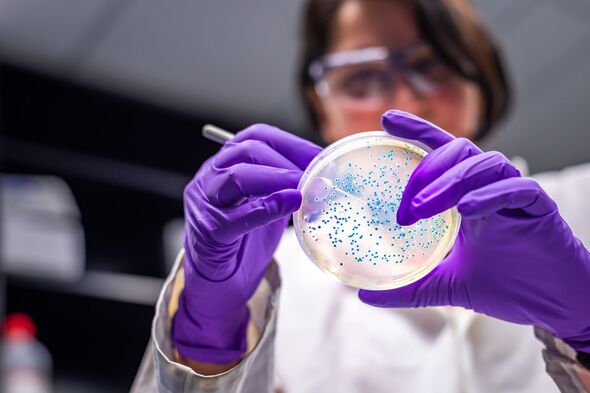
Scientists have unearthed ancient bacteria that exhibit resistance to nearly a dozen modern antibiotics, raising concerns about the emergence of a new superbug. The bacteria, known as Psychrobacter SC65A.3, was discovered in the Scărişoara Cave in northwest Romania, where it had been trapped under ice for approximately 5,000 years.
Research conducted by Romanian scientists involved drilling an 82-foot ice core, which represents a timeline of around 13,000 years. When tested against 28 antibiotics, the bacteria showed resistance to 10, including commonly used medications for treating infections of the lungs, skin, blood, reproductive system, and urinary tract. This resistance is particularly concerning given that these bacteria existed long before the development of modern antibiotics.
Published in Frontiers in Microbiology, the study highlights that Psychrobacter SC65A.3 contains over 100 resistance-related genes. It is the first strain of its kind to demonstrate resistance to specific antibiotics such as trimethoprim, clindamycin, and metronidazole, which are critical in treating conditions like tuberculosis, colitis, and urinary tract infections.
Dr. Franklin Nobrega, an Associate Professor at the University of Southampton, noted, “We commonly associate antibiotic resistance with misuse of antibiotics in urban and agricultural contexts, but antibiotic resistance is part of the natural evolution of the first occupants of our biosphere.” He emphasized the role of cold-adapted organisms in shaping the rich ecological environments present today.
The implications of global warming on antimicrobial resistance (AMR) are significant. Dr. Nobrega warned that as climate change progresses, the environments that have long trapped these bacteria will change, allowing them to thrive and potentially dominate soil and aquatic microbiomes. This shift could drastically affect medical procedures, turning routine treatments into potentially deadly risks without effective alternatives.
Despite the alarming discovery, researchers also see potential benefits. The study indicates that Psychrobacter SC65A.3 possesses nearly 600 genes with unknown functions, opening avenues for new biological discoveries. Additionally, it has 11 genes that could inhibit or kill other microbes, providing insights into how resistance evolves and spreads.
“Understanding the emergence and spread of resistance is critical to block and design new treatment strategies in the rise of this silent pandemic,” Dr. Nobrega explained. He also pointed out the biotechnological potential of these cold-adapted strains, suggesting that the tools they use to survive in extreme conditions could lead to the development of efficient, eco-friendly industrial processes. This could help accelerate the shift towards achieving Net Zero and mitigate the rise of AMR linked to climate change.
As the world grapples with the implications of antibiotic resistance, the discovery of ancient bacteria serves as a stark reminder of the complexities of microbial evolution and the urgent need for comprehensive strategies to combat this growing threat.

Moyes Faces Referee Controversy Ahead of Everton vs Chelsea Clash

Man Hospitalised After Assault Outside Shop in Sandwell

Fred MacAulay and Ally McCoist Reunite for Special World Cup Show

NoOnes Targets $1 Trillion Gift Card Market to Enhance Crypto Access

Beloved Actor Matt Clark Passes Away at 89, Fans Mourn Loss

Discover How Milk Thistle Supplements Enhance Liver Health

Irish Community Care Celebrates 60 Years of Support in Liverpool

New Affordable Housing Development Planned for Crawley Site

Millions of Parking Tickets Issued Amid Calls for Reform

Claire Tomlinson Bids Farewell to Sky Sports After 27 Years

Iconic 90s TV Show House Hits Market for £1.1 Million

Nathan Cleary’s Family Celebrates Engagement Amid Romance Rumors

Tributes Flow for Kerry Gentle, Beloved RNLI Volunteer and Artist

Milk Bank Urges Mothers to Donate for Premature Babies’ Health

Shoppers Flock to Discounted Neck Pillow on Amazon for Travel Comfort

Alessia Russo Signs Long-Term Deal with Arsenal Ahead of WSL Season

Nuneaton Town FC Advances Plans for New Stadium in Stockingford

Exploring England’s Cathedrals: A Journey Through History and Architecture
-
 Lifestyle8 months ago
Claire Tomlinson Bids Farewell to Sky Sports After 27 Years
-
 Entertainment11 months ago
Iconic 90s TV Show House Hits Market for £1.1 Million
-
 Sports1 year ago
Nathan Cleary’s Family Celebrates Engagement Amid Romance Rumors
-
 Lifestyle8 months ago
Tributes Flow for Kerry Gentle, Beloved RNLI Volunteer and Artist
-
 Lifestyle1 year ago
Milk Bank Urges Mothers to Donate for Premature Babies’ Health
-
 Lifestyle1 year ago
Shoppers Flock to Discounted Neck Pillow on Amazon for Travel Comfort
-
 Sports12 months ago
Alessia Russo Signs Long-Term Deal with Arsenal Ahead of WSL Season
-
 Sports9 months ago
Nuneaton Town FC Advances Plans for New Stadium in Stockingford
-
 Lifestyle1 year ago
Exploring England’s Cathedrals: A Journey Through History and Architecture
-

 Politics1 year ago
Museums Body Critiques EHRC Proposals on Gender Facilities
-

 Business1 year ago
Trump Visits Europe: Business, Politics, or Leisure?
-

 Lifestyle1 year ago
Japanese Teen Sorato Shimizu Breaks U18 100m Record in 10 Seconds