
Science
Archaeologists Discover Ancient Poisoned Arrowheads in South Africa

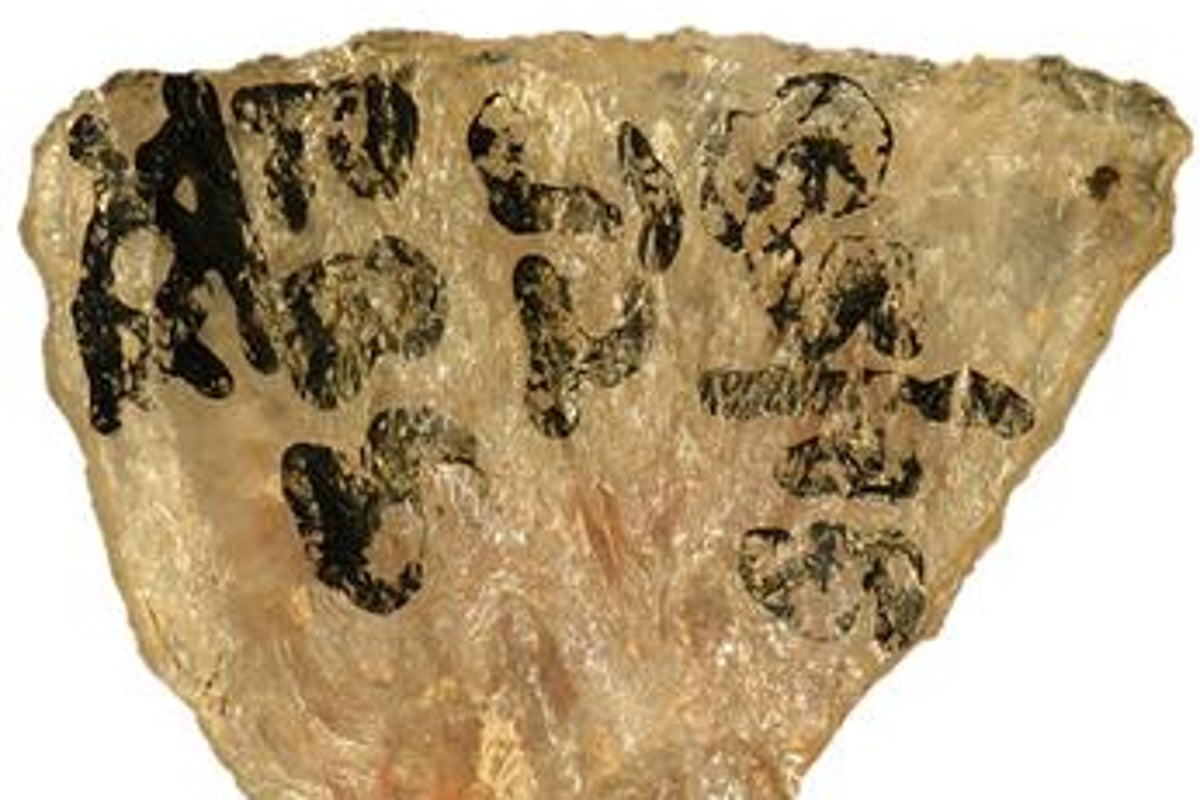
Archaeologists have uncovered what may be the earliest known use of poison-laced weapons by humans, with the discovery of 60,000-year-old Stone Age arrowheads in South Africa. This finding, detailed in a recent study, reveals that prehistoric hunters possessed advanced knowledge of toxic substances for hunting, marking a significant development in the understanding of early human technology.
The arrowheads were excavated from the Umhlatuzana Rock Shelter in KwaZulu-Natal. Researchers identified chemical residues from the plant gifbol, known for its toxic properties and still utilized by traditional hunters in the region today. These findings provide the oldest direct evidence of poisoned hunting tools, predating previously known instances from the last Ice Age, approximately 10,000 years ago.
According to Marlize Lombard, an archaeologist at the University of Johannesburg, “This is the oldest direct evidence that humans used arrow poison.” She emphasized that this discovery indicates that ancestors in southern Africa not only created the bow and arrow significantly earlier than thought, but also understood how to harness nature’s chemistry to improve hunting efficiency.
The study, published in the journal Science Advances, involved a detailed chemical analysis of the arrowheads. Researchers detected the presence of two poisonous compounds, buphanidrine and epibuphanisine. Interestingly, similar compounds were found on arrowheads from Swedish collections dating back to the 18th century, demonstrating a long-standing understanding of these toxic plants.
Sven Isaksson, a co-author from Stockholm University, noted the significance of the findings, stating, “Finding traces of the same poison on both prehistoric and historical arrowheads was crucial.” He highlighted the deep-rooted knowledge humans possessed regarding plant toxins, which has endured over millennia.
The implications of these discoveries extend beyond mere tool-making skills. Researchers argue that the ability to use poisoned arrows demonstrates advanced cognitive capabilities, including planning and an understanding of cause and effect. Anders Högberg, from Linnaeus University in Sweden, remarked, “Using arrow poison requires planning, patience and an understanding of cause and effect. It is a clear sign of advanced thinking in early humans.”
This remarkable revelation sheds light on the evolution of hunting technology and the sophisticated behavior of our ancestors. The ability to concoct and apply poisons not only enhanced hunting effectiveness but also reflects a significant cognitive leap in human development. As research continues, these findings contribute to a broader understanding of how early humans adapted to their environments and utilized available resources to thrive.
The discovery of these ancient arrowheads illustrates a pivotal moment in the history of technology, revealing that sophisticated methods of hunting and resource utilization existed much earlier than previously recognized. As archaeologists continue to study these artifacts, they offer a glimpse into the ingenuity and adaptability of early human societies.

Moyes Faces Referee Controversy Ahead of Everton vs Chelsea Clash

Man Hospitalised After Assault Outside Shop in Sandwell

Fred MacAulay and Ally McCoist Reunite for Special World Cup Show

NoOnes Targets $1 Trillion Gift Card Market to Enhance Crypto Access

Beloved Actor Matt Clark Passes Away at 89, Fans Mourn Loss

Discover How Milk Thistle Supplements Enhance Liver Health

Irish Community Care Celebrates 60 Years of Support in Liverpool

New Affordable Housing Development Planned for Crawley Site

Millions of Parking Tickets Issued Amid Calls for Reform

Claire Tomlinson Bids Farewell to Sky Sports After 27 Years

Iconic 90s TV Show House Hits Market for £1.1 Million

Nathan Cleary’s Family Celebrates Engagement Amid Romance Rumors

Tributes Flow for Kerry Gentle, Beloved RNLI Volunteer and Artist

Milk Bank Urges Mothers to Donate for Premature Babies’ Health

Shoppers Flock to Discounted Neck Pillow on Amazon for Travel Comfort

Alessia Russo Signs Long-Term Deal with Arsenal Ahead of WSL Season

Nuneaton Town FC Advances Plans for New Stadium in Stockingford

Exploring England’s Cathedrals: A Journey Through History and Architecture
-
 Lifestyle8 months ago
Claire Tomlinson Bids Farewell to Sky Sports After 27 Years
-
 Entertainment11 months ago
Iconic 90s TV Show House Hits Market for £1.1 Million
-
 Sports1 year ago
Nathan Cleary’s Family Celebrates Engagement Amid Romance Rumors
-
 Lifestyle8 months ago
Tributes Flow for Kerry Gentle, Beloved RNLI Volunteer and Artist
-
 Lifestyle1 year ago
Milk Bank Urges Mothers to Donate for Premature Babies’ Health
-
 Lifestyle1 year ago
Shoppers Flock to Discounted Neck Pillow on Amazon for Travel Comfort
-
 Sports12 months ago
Alessia Russo Signs Long-Term Deal with Arsenal Ahead of WSL Season
-
 Sports9 months ago
Nuneaton Town FC Advances Plans for New Stadium in Stockingford
-
 Lifestyle1 year ago
Exploring England’s Cathedrals: A Journey Through History and Architecture
-

 Politics1 year ago
Museums Body Critiques EHRC Proposals on Gender Facilities
-

 Business1 year ago
Trump Visits Europe: Business, Politics, or Leisure?
-

 Lifestyle1 year ago
Japanese Teen Sorato Shimizu Breaks U18 100m Record in 10 Seconds