
Science
Archaeologists Unveil Secrets of the Past with New Technologies

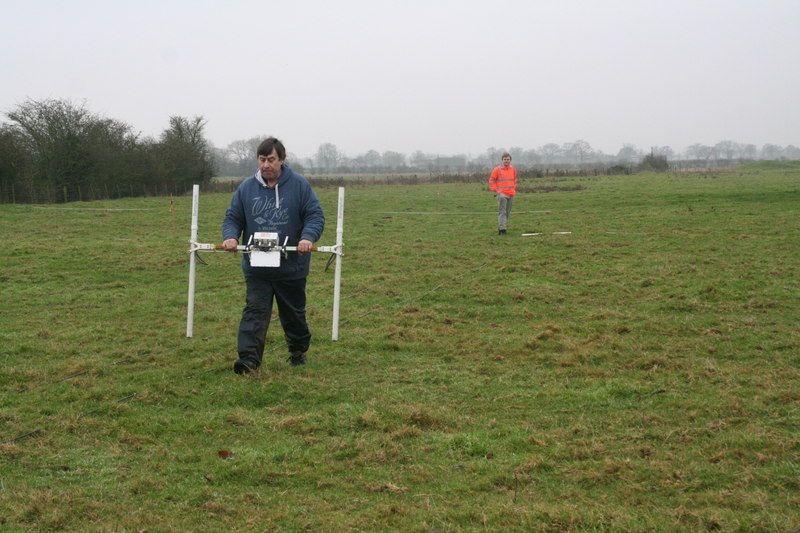
Archaeologists are revolutionizing their approach to uncovering the past through cutting-edge technologies. Recent advancements, particularly in LiDAR and ground-penetrating radar, are allowing researchers to examine historic landscapes with unprecedented clarity. This modern toolkit is enabling the discovery of long-buried sites, providing insights into ancient civilizations and their environments.
The use of LiDAR technology, which employs laser light to create high-resolution maps, has transformed how archaeologists survey land. In March 2024, a team from the University of Cambridge showcased how this technology has revealed hidden features in the British countryside, including ancient roadways and settlement patterns that were previously invisible to the naked eye.
Revolutionizing Fieldwork with Innovative Techniques
Ground-penetrating radar, another significant advancement, allows researchers to probe beneath the surface without extensive excavation. By sending electromagnetic waves into the ground, archaeologists can detect anomalies that may indicate the presence of structures or artifacts. This non-invasive method not only preserves the integrity of the site but also saves time and resources.
For instance, in a recent excavation at a site in southern England, archaeologists utilized ground-penetrating radar to uncover a complex of Roman buildings that had remained hidden for centuries. The information gathered from this technology guided the subsequent digging efforts, which were more focused and effective.
These technologies are not only enhancing archaeological fieldwork but also democratizing access to historical knowledge. Digital platforms have emerged, allowing the public to engage with the findings and visualize the landscapes as they might have appeared in ancient times. This increased accessibility fosters a greater appreciation for history and cultural heritage.
The Broader Impact of Technological Integration
The integration of advanced technologies in archaeology also has implications beyond merely uncovering artifacts. It enables researchers to reconstruct ecological and social dynamics of past societies, offering a more holistic understanding of how ancient peoples interacted with their environment.
For example, studies utilizing LiDAR in the Amazon rainforest have illustrated how ancient cultures managed their landscapes, challenging previously held notions about the region being a pristine wilderness. Such revelations not only reshape our understanding of history but also inform contemporary discussions on land use and conservation.
As archaeologists continue to embrace these innovations, the field is poised for further transformation. The blending of traditional excavation techniques with modern technology presents exciting opportunities for discovery.
In conclusion, the future of archaeology looks promising as researchers leverage new technologies to unveil the secrets lying beneath our feet. As these methods evolve, they will undoubtedly provide deeper insights into the human past, shaping our understanding of history for generations to come.

Moyes Faces Referee Controversy Ahead of Everton vs Chelsea Clash

Man Hospitalised After Assault Outside Shop in Sandwell

Fred MacAulay and Ally McCoist Reunite for Special World Cup Show

NoOnes Targets $1 Trillion Gift Card Market to Enhance Crypto Access

Beloved Actor Matt Clark Passes Away at 89, Fans Mourn Loss

Discover How Milk Thistle Supplements Enhance Liver Health

Irish Community Care Celebrates 60 Years of Support in Liverpool

New Affordable Housing Development Planned for Crawley Site

Millions of Parking Tickets Issued Amid Calls for Reform

Claire Tomlinson Bids Farewell to Sky Sports After 27 Years

Iconic 90s TV Show House Hits Market for £1.1 Million

Nathan Cleary’s Family Celebrates Engagement Amid Romance Rumors

Tributes Flow for Kerry Gentle, Beloved RNLI Volunteer and Artist

Milk Bank Urges Mothers to Donate for Premature Babies’ Health

Shoppers Flock to Discounted Neck Pillow on Amazon for Travel Comfort

Alessia Russo Signs Long-Term Deal with Arsenal Ahead of WSL Season

Nuneaton Town FC Advances Plans for New Stadium in Stockingford

Exploring England’s Cathedrals: A Journey Through History and Architecture
-
 Lifestyle8 months ago
Claire Tomlinson Bids Farewell to Sky Sports After 27 Years
-
 Entertainment11 months ago
Iconic 90s TV Show House Hits Market for £1.1 Million
-
 Sports1 year ago
Nathan Cleary’s Family Celebrates Engagement Amid Romance Rumors
-
 Lifestyle8 months ago
Tributes Flow for Kerry Gentle, Beloved RNLI Volunteer and Artist
-
 Lifestyle1 year ago
Milk Bank Urges Mothers to Donate for Premature Babies’ Health
-
 Lifestyle1 year ago
Shoppers Flock to Discounted Neck Pillow on Amazon for Travel Comfort
-
 Sports12 months ago
Alessia Russo Signs Long-Term Deal with Arsenal Ahead of WSL Season
-
 Sports9 months ago
Nuneaton Town FC Advances Plans for New Stadium in Stockingford
-
 Lifestyle1 year ago
Exploring England’s Cathedrals: A Journey Through History and Architecture
-

 Politics1 year ago
Museums Body Critiques EHRC Proposals on Gender Facilities
-

 Business1 year ago
Trump Visits Europe: Business, Politics, or Leisure?
-

 Lifestyle1 year ago
Japanese Teen Sorato Shimizu Breaks U18 100m Record in 10 Seconds