
Science
Brazil Innovates 3D-Printed Meat to Transform Food Production

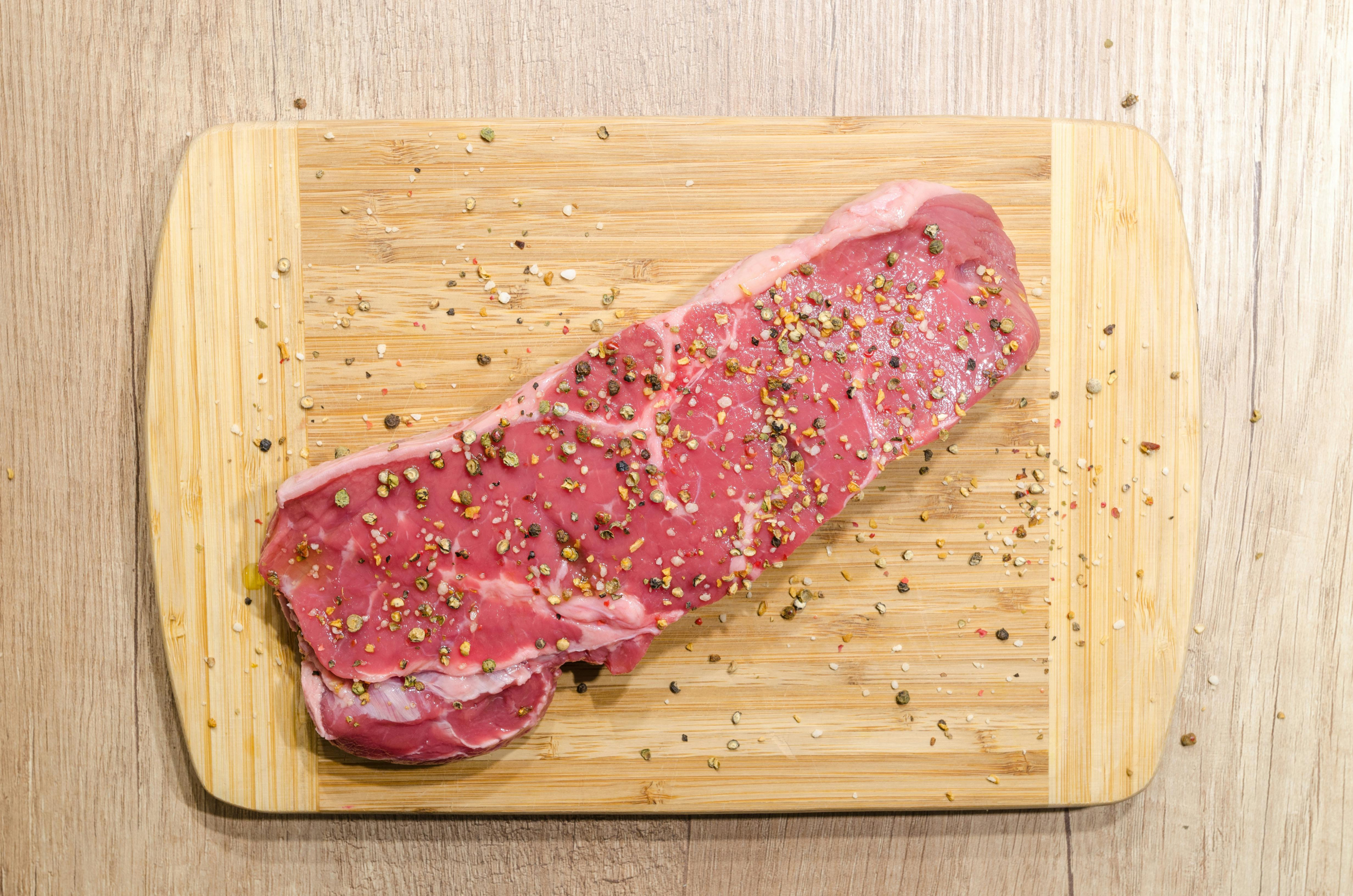
Brazil is making significant strides in the field of lab-grown meat, with innovations in 3D printing technology that could potentially alter the landscape of food production. At SENAI CIMATEC in Salvador, the CELLMEAT 3D project has developed a method that involves biopsying animal cells, cultivating them in laboratories, and applying 3D printing to create meat products. This pioneering approach won the 2025 Finep Northeast Innovation Award and aims to provide sustainable alternatives to traditional meat production, offering a reduced environmental footprint.
The core of this technology is cell biopsy, where cells are harvested without harming the animals. These cells are then placed in bioreactors for proliferation and differentiation into muscle and fat tissues. The process utilizes 3D bioprinting techniques that layer bio-inks to replicate the complex structures of natural meat. Following the printing phase, a maturation process enhances the taste and texture of the final product. This method allows for precise nutritional control, enabling the reduction of saturated fats or the addition of essential vitamins, potentially cutting resource use by as much as 90 percent.
Recent advancements in the project include the use of non-animal scaffolds, which improve structural integrity. As reported by Brasil 61 on X, this initiative allows the creation of protein without the need for animal slaughter. Following previous milestones, such as the unveiling of the world’s first 3D-printed lab-grown steak in 2021, Brazil’s efforts are increasingly addressing global protein demands while minimizing land and water use.
Brazil’s commitment to cultivated meat is reflected in targeted funding efforts. In Paraná, the Araucária Foundation has allocated approximately £0.8 million (or $1.0 million, equivalent to R$5.7 million at current rates) to set up laboratories and train researchers in cellular agriculture. The initiative focuses on local cattle breeds, such as Purunã, for developing cell lines, integrating these alternatives into the existing agricultural framework.
Carla Molento, a prominent figure at UFPR, emphasized the importance of this initiative, stating, “It is extremely important to emphasize that the government of a livestock-raising state is treating cellular zootechnics and the production of cultivated meat as part of agriculture and as an essential part of strengthening livestock farming.” She further noted the intention to support professionals in overcoming initial apprehensions about entering this emerging field through comprehensive training.
Collaborations between companies such as BRF and Aleph Farms aim to co-develop products tailored for local markets. Federal support for these innovations includes funding of £0.3 million (approximately $0.4 million) from Embrapa for hybrid meat technologies. Despite these advancements, challenges remain. High production costs driven by pharmaceutical inputs continue to hinder affordability, although ongoing research seeks to develop cost-effective alternatives.
Regulatory progress is underway with Anvisa’s resolution anticipated in 2024, although specifics regarding lab-grown meat regulations remain pending. Consumer acceptance will likely depend on educational efforts highlighting the ethical and sustainability benefits of such products. Currently, Brazil’s cultivated meat market is projected to be around £3.9 million (approximately $5.14 million) in 2025, indicating that the sector is still in its infancy, focusing on research and investment rather than mass commercial sales.
International partnerships are crucial in navigating the complexities of this evolving industry. The rise of 3D-printed meat in Brazil represents a pivotal evolution in food production methods. Continuous research and funding suggest that this technology could complement traditional practices, providing eco-friendly food options. As developments unfold, they are likely to reshape the landscape of meat production, contributing to a future with reduced reliance on conventional farming methods.
State-owned Embrapa is also contributing to this innovation by developing cultivated chicken prototypes, including structured breast fillets derived from domestic cell lines, and establishing a cellular biobank to support startups in the industry. Collaborations with the Good Food Institute Brazil and Unicamp have led to the creation of a detailed HACCP safety plan for various cultivated products, such as burgers, aimed at supporting regulatory evaluations by Anvisa and Mapa.
The efforts in Brazil highlight a transformative approach to food production that may soon become a standard method, aligning with global trends toward sustainability and ethical consumption in agriculture.

Moyes Faces Referee Controversy Ahead of Everton vs Chelsea Clash

Man Hospitalised After Assault Outside Shop in Sandwell

Fred MacAulay and Ally McCoist Reunite for Special World Cup Show

NoOnes Targets $1 Trillion Gift Card Market to Enhance Crypto Access

Beloved Actor Matt Clark Passes Away at 89, Fans Mourn Loss

Discover How Milk Thistle Supplements Enhance Liver Health

Irish Community Care Celebrates 60 Years of Support in Liverpool

New Affordable Housing Development Planned for Crawley Site

Millions of Parking Tickets Issued Amid Calls for Reform

Claire Tomlinson Bids Farewell to Sky Sports After 27 Years

Iconic 90s TV Show House Hits Market for £1.1 Million

Tributes Flow for Kerry Gentle, Beloved RNLI Volunteer and Artist

Nathan Cleary’s Family Celebrates Engagement Amid Romance Rumors

Milk Bank Urges Mothers to Donate for Premature Babies’ Health

Shoppers Flock to Discounted Neck Pillow on Amazon for Travel Comfort

Alessia Russo Signs Long-Term Deal with Arsenal Ahead of WSL Season

Nuneaton Town FC Advances Plans for New Stadium in Stockingford

Museums Body Critiques EHRC Proposals on Gender Facilities
-
 Lifestyle6 months ago
Claire Tomlinson Bids Farewell to Sky Sports After 27 Years
-
 Entertainment9 months ago
Iconic 90s TV Show House Hits Market for £1.1 Million
-
 Lifestyle6 months ago
Tributes Flow for Kerry Gentle, Beloved RNLI Volunteer and Artist
-
 Sports11 months ago
Nathan Cleary’s Family Celebrates Engagement Amid Romance Rumors
-
 Lifestyle11 months ago
Milk Bank Urges Mothers to Donate for Premature Babies’ Health
-
 Lifestyle11 months ago
Shoppers Flock to Discounted Neck Pillow on Amazon for Travel Comfort
-
 Sports10 months ago
Alessia Russo Signs Long-Term Deal with Arsenal Ahead of WSL Season
-
 Sports8 months ago
Nuneaton Town FC Advances Plans for New Stadium in Stockingford
-
 Politics11 months ago
Museums Body Critiques EHRC Proposals on Gender Facilities
-

 Lifestyle11 months ago
Exploring England’s Cathedrals: A Journey Through History and Architecture
-

 Business11 months ago
Trump Visits Europe: Business, Politics, or Leisure?
-

 Lifestyle11 months ago
Japanese Teen Sorato Shimizu Breaks U18 100m Record in 10 Seconds