
Science
California Resident Diagnosed with Plague After Camping Trip

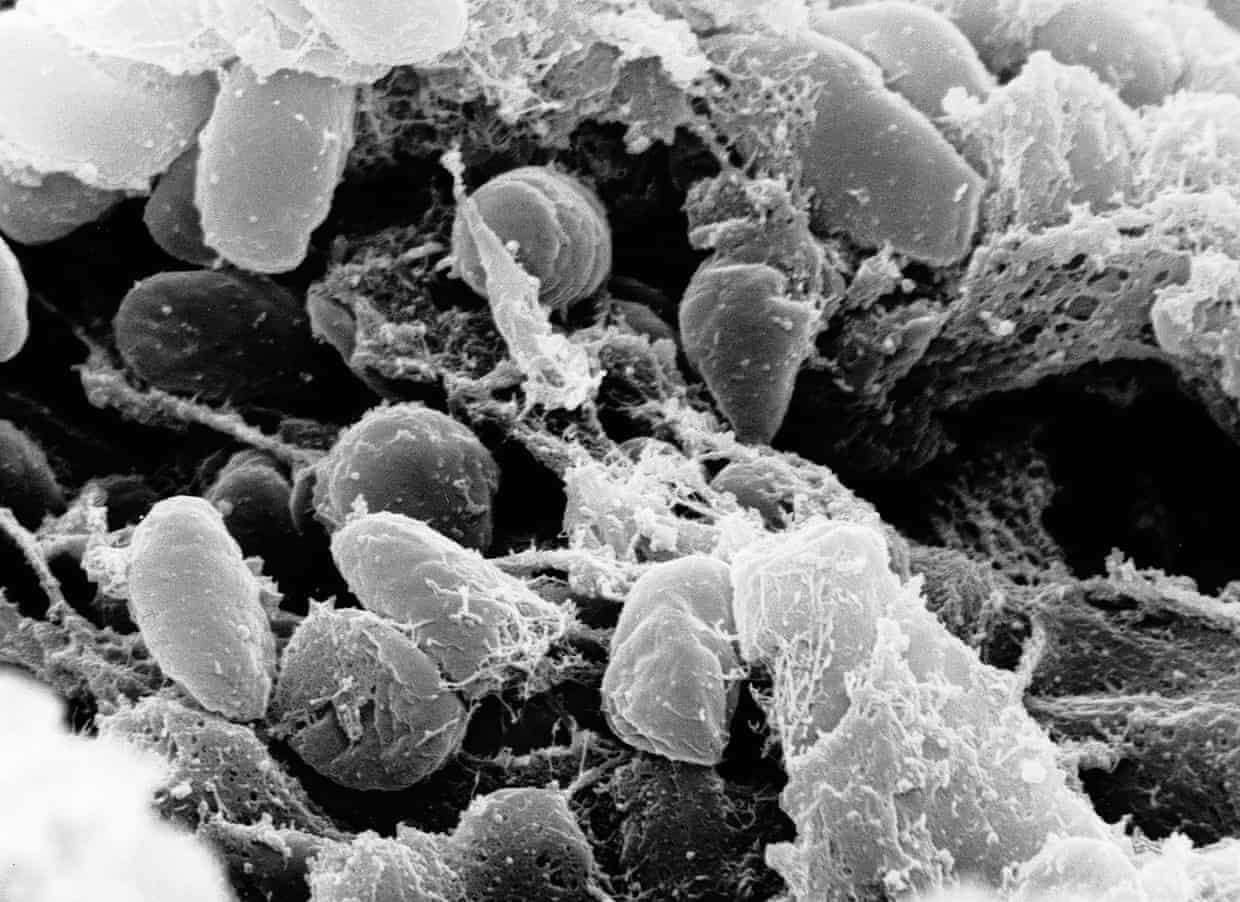
A resident of South Lake Tahoe, California, has tested positive for the plague, according to local health authorities. The announcement was made on Tuesday by officials from El Dorado County, who received confirmation from the California Department of Public Health (CDPH). The individual is currently recovering at home under medical supervision.
Health officials believe the infection likely occurred due to an infected flea bite while the individual was camping in the South Lake Tahoe area, known for its outdoor recreational activities. Kyle Fliflet, acting director of public health for El Dorado County, emphasized the importance of taking precautions when in areas inhabited by wild rodents. “Plague is naturally present in many parts of California, including higher-elevation areas of El Dorado County,” he stated.
The plague is caused by the bacterium Yersinia pestis, which is primarily transmitted through flea bites from infected rodents, such as squirrels and chipmunks. Notably, pets can also carry infected fleas into homes. The health department has advised the public to avoid contact with wild rodents and prevent pets from approaching rodent burrows.
Symptoms of the plague typically emerge within two weeks of exposure and may include fever, nausea, weakness, and swollen lymph nodes. While human cases of plague are considered “extremely rare,” they can be severe. Fortunately, early detection allows effective treatment with antibiotics.
The CDPH routinely monitors rodent populations across California to assess plague activity. From 2021 to 2024, surveillance efforts in El Dorado County identified a total of 41 rodents showing evidence of exposure to the plague bacterium. In 2025, four rodents tested positive within the Tahoe Basin.
This recent case is not the first incident of plague in the region. The last confirmed human case in El Dorado County occurred in 2020, also linked to the South Lake Tahoe area. Prior to that, two cases were reported in 2015 following exposure at Yosemite National Park. All affected individuals received treatment and made full recoveries.
In 2021, the US Forest Service temporarily closed several popular sites at Lake Tahoe after discovering plague in the chipmunk population. The agency conducted “vector control” measures to manage the situation.
In addition to California’s incidents, Colorado health officials confirmed a human plague case last year. The Centers for Disease Control and Prevention estimates an average of seven human plague cases occur annually in the United States, predominantly in the western regions.
As health officials continue to monitor the situation, the case serves as a reminder for outdoor enthusiasts to remain vigilant about potential health risks associated with wildlife encounters.

Moyes Faces Referee Controversy Ahead of Everton vs Chelsea Clash

Man Hospitalised After Assault Outside Shop in Sandwell

Fred MacAulay and Ally McCoist Reunite for Special World Cup Show

NoOnes Targets $1 Trillion Gift Card Market to Enhance Crypto Access

Beloved Actor Matt Clark Passes Away at 89, Fans Mourn Loss

Discover How Milk Thistle Supplements Enhance Liver Health

Irish Community Care Celebrates 60 Years of Support in Liverpool

New Affordable Housing Development Planned for Crawley Site

Millions of Parking Tickets Issued Amid Calls for Reform

Claire Tomlinson Bids Farewell to Sky Sports After 27 Years

Iconic 90s TV Show House Hits Market for £1.1 Million

Nathan Cleary’s Family Celebrates Engagement Amid Romance Rumors

Tributes Flow for Kerry Gentle, Beloved RNLI Volunteer and Artist

Milk Bank Urges Mothers to Donate for Premature Babies’ Health

Shoppers Flock to Discounted Neck Pillow on Amazon for Travel Comfort

Alessia Russo Signs Long-Term Deal with Arsenal Ahead of WSL Season

Nuneaton Town FC Advances Plans for New Stadium in Stockingford

Exploring England’s Cathedrals: A Journey Through History and Architecture
-
 Lifestyle8 months ago
Claire Tomlinson Bids Farewell to Sky Sports After 27 Years
-
 Entertainment11 months ago
Iconic 90s TV Show House Hits Market for £1.1 Million
-
 Sports1 year ago
Nathan Cleary’s Family Celebrates Engagement Amid Romance Rumors
-
 Lifestyle8 months ago
Tributes Flow for Kerry Gentle, Beloved RNLI Volunteer and Artist
-
 Lifestyle1 year ago
Milk Bank Urges Mothers to Donate for Premature Babies’ Health
-
 Lifestyle1 year ago
Shoppers Flock to Discounted Neck Pillow on Amazon for Travel Comfort
-
 Sports12 months ago
Alessia Russo Signs Long-Term Deal with Arsenal Ahead of WSL Season
-
 Sports9 months ago
Nuneaton Town FC Advances Plans for New Stadium in Stockingford
-
 Lifestyle1 year ago
Exploring England’s Cathedrals: A Journey Through History and Architecture
-

 Politics1 year ago
Museums Body Critiques EHRC Proposals on Gender Facilities
-

 Business1 year ago
Trump Visits Europe: Business, Politics, or Leisure?
-

 Lifestyle1 year ago
Japanese Teen Sorato Shimizu Breaks U18 100m Record in 10 Seconds