
Science
Discover Tonight’s Moon Phase: Waning Gibbous on September 12, 2025

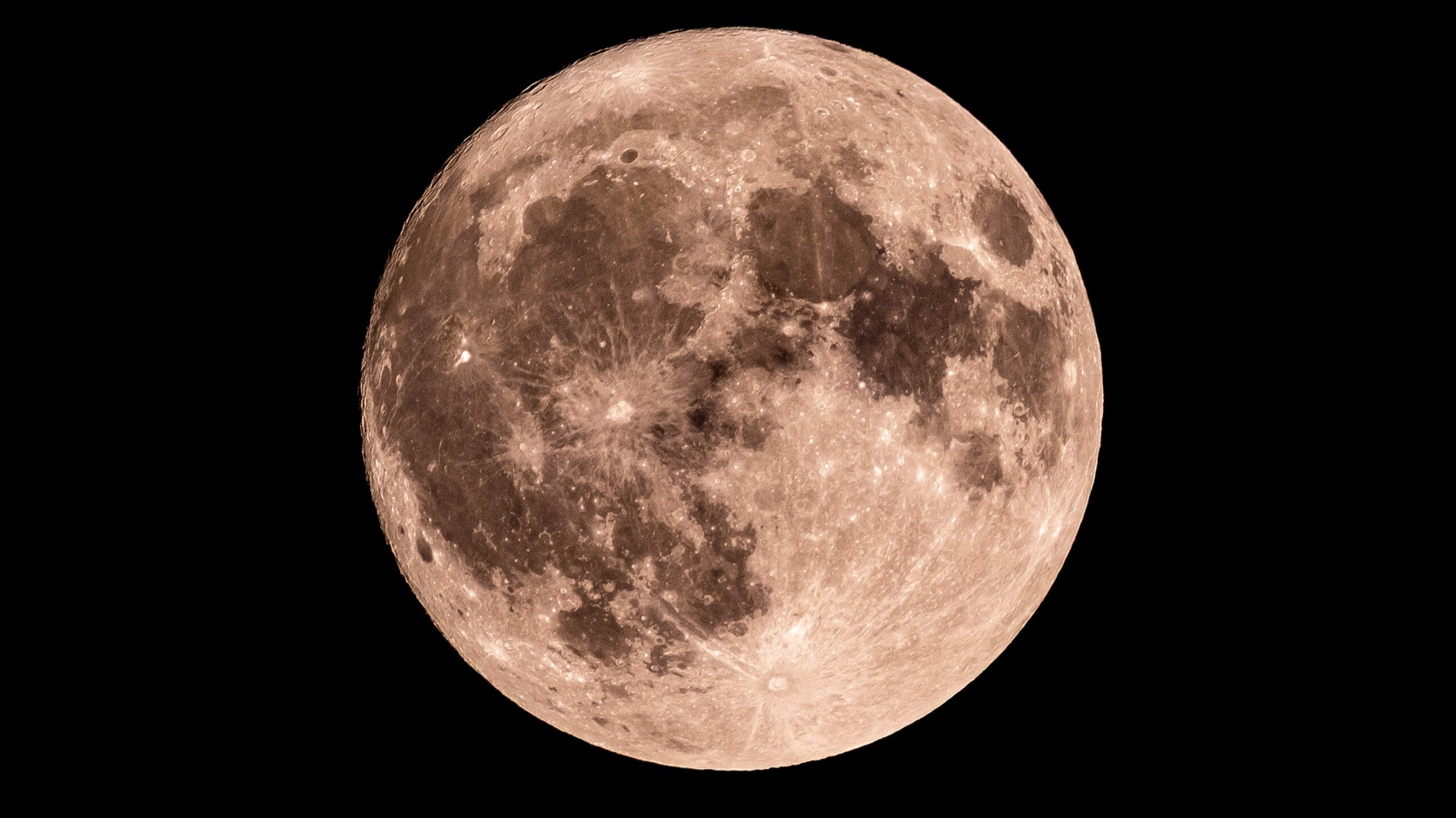
On September 12, 2025, the moon will exhibit a Waning Gibbous phase, illuminated at approximately 71% for observers on Earth. This phase occurs on the 20th day of the lunar cycle, which spans about 29.5 days. The visibility of the moon decreases each night as it continues its orbit around Earth, but there remains plenty to observe with or without telescopes.
Understanding moon phases is essential for appreciating the lunar cycle. According to NASA, these phases arise from the changing angles between the Sun, Moon, and Earth as the Moon orbits our planet. Each phase presents a unique appearance, from the New Moon, which is completely dark, to the Full Moon, which is fully illuminated.
What to Observe in the Night Sky
Tonight, the Waning Gibbous moon offers enthusiasts the chance to spot several lunar features. With the naked eye, one can identify the Mare Vaporum and the Kepler Crater. For those equipped with binoculars, additional landmarks such as the Apennine Mountains, Gaessendi Crater, and Mare Humorum become visible. Using a telescope further enhances the experience, revealing sites of historical significance such as the landing spots of Apollo 11 and Apollo 16, along with the Rima Ariadaeus.
The next full moon is scheduled for October 6, 2025, following the most recent full moon on September 7, 2025. Observing the moon during these different phases can deepen one’s appreciation for its beauty and the science behind its cycles.
Understanding the Lunar Cycle
The lunar cycle consists of eight distinct phases, each following a repeating pattern:
– **New Moon**: The moon is positioned between Earth and the Sun, rendering it invisible.
– **Waxing Crescent**: A small portion of the moon’s surface becomes illuminated on the right side.
– **First Quarter**: Half of the moon’s face is illuminated, presenting a classic half-moon shape.
– **Waxing Gibbous**: Over half of the moon is lit, but it is not yet full.
– **Full Moon**: The entire face of the moon is visible and fully illuminated.
– **Waning Gibbous**: The moon begins to lose illumination on the right side.
– **Last Quarter (or Third Quarter)**: Again, half of the moon is visible, but this time the left side is lit.
– **Waning Crescent**: A thin sliver of light remains on the left before the moon returns to darkness.
This cycle is a fascinating aspect of astronomy and enhances our understanding of celestial movements. As the moon continues its journey, each night offers a new perspective and a chance to observe this remarkable natural phenomenon.

Moyes Faces Referee Controversy Ahead of Everton vs Chelsea Clash

Man Hospitalised After Assault Outside Shop in Sandwell

Fred MacAulay and Ally McCoist Reunite for Special World Cup Show

NoOnes Targets $1 Trillion Gift Card Market to Enhance Crypto Access

Beloved Actor Matt Clark Passes Away at 89, Fans Mourn Loss

Discover How Milk Thistle Supplements Enhance Liver Health

Irish Community Care Celebrates 60 Years of Support in Liverpool

New Affordable Housing Development Planned for Crawley Site

Millions of Parking Tickets Issued Amid Calls for Reform

Claire Tomlinson Bids Farewell to Sky Sports After 27 Years

Iconic 90s TV Show House Hits Market for £1.1 Million

Nathan Cleary’s Family Celebrates Engagement Amid Romance Rumors

Tributes Flow for Kerry Gentle, Beloved RNLI Volunteer and Artist

Milk Bank Urges Mothers to Donate for Premature Babies’ Health

Shoppers Flock to Discounted Neck Pillow on Amazon for Travel Comfort

Alessia Russo Signs Long-Term Deal with Arsenal Ahead of WSL Season

Nuneaton Town FC Advances Plans for New Stadium in Stockingford

Exploring England’s Cathedrals: A Journey Through History and Architecture
-
 Lifestyle8 months ago
Claire Tomlinson Bids Farewell to Sky Sports After 27 Years
-
 Entertainment11 months ago
Iconic 90s TV Show House Hits Market for £1.1 Million
-
 Sports1 year ago
Nathan Cleary’s Family Celebrates Engagement Amid Romance Rumors
-
 Lifestyle8 months ago
Tributes Flow for Kerry Gentle, Beloved RNLI Volunteer and Artist
-
 Lifestyle1 year ago
Milk Bank Urges Mothers to Donate for Premature Babies’ Health
-
 Lifestyle1 year ago
Shoppers Flock to Discounted Neck Pillow on Amazon for Travel Comfort
-
 Sports12 months ago
Alessia Russo Signs Long-Term Deal with Arsenal Ahead of WSL Season
-
 Sports9 months ago
Nuneaton Town FC Advances Plans for New Stadium in Stockingford
-
 Lifestyle1 year ago
Exploring England’s Cathedrals: A Journey Through History and Architecture
-

 Politics1 year ago
Museums Body Critiques EHRC Proposals on Gender Facilities
-

 Business1 year ago
Trump Visits Europe: Business, Politics, or Leisure?
-

 Lifestyle1 year ago
Japanese Teen Sorato Shimizu Breaks U18 100m Record in 10 Seconds