
Science
Former Dairy Farm Set to Become Peat Research Centre in Somerset

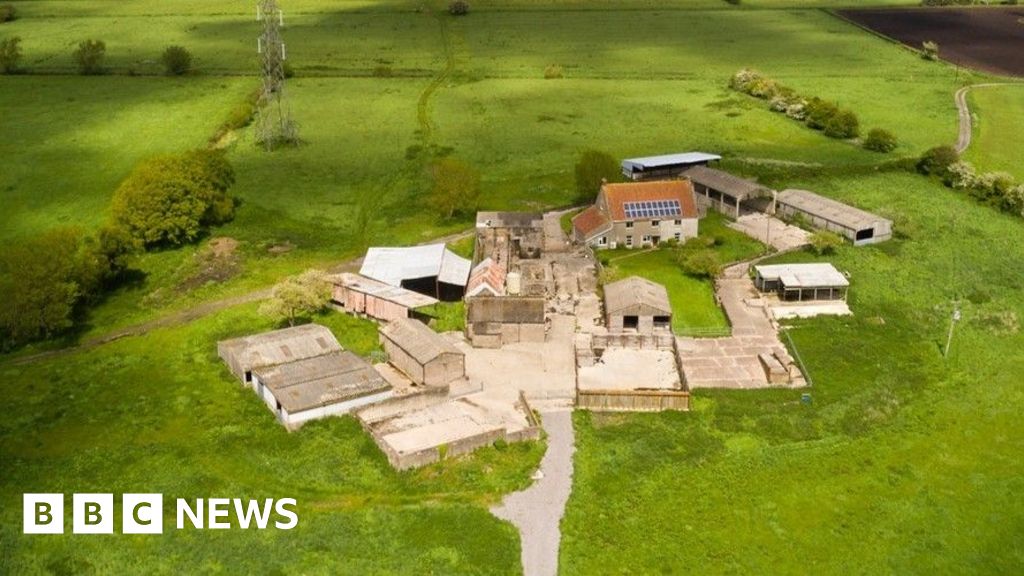
A former dairy farm in Somerset is poised for transformation into an “internationally recognised hub for research” dedicated to the restoration of lowland peat bogs. The Somerset Wildlife Trust has submitted a planning application to redevelop existing buildings at Honeygar Farm in Westhay, located within the ecologically significant Somerset Levels and Moors.
The site is one of the few remaining areas in the UK that houses deep lowland peat, which are ecosystems characterized by waterlogged wetlands. The proposed research initiative aims to address critical challenges such as climate change adaptation and water quality improvement. Georgia Dent, CEO of the trust, emphasized the importance of the project, stating that it could yield significant solutions for pressing environmental issues.
Since acquiring the property in 2021, the Somerset Wildlife Trust has implemented low-intensity grazing and water level stabilization measures to facilitate peatland restoration. Lowland peatlands, typically found at altitudes below 150 meters, develop over thousands of years as organic material accumulates in anaerobic, acidic conditions. According to the United Nations, peatlands cover merely 3% of the earth’s land surface but are vital carbon sinks, storing more carbon than all the world’s forests combined.
Despite their ecological significance, most research and restoration efforts have concentrated on upland peat sites. The Honeygar Farm project presents a unique opportunity to generate substantial, real-world data on effective management practices for lowland peatlands. These practices are crucial for supporting biodiversity, sustainable land use, and local economies.
“We want Honeygar to become an internationally recognised hub for research, innovation, and collaboration,” Dent stated. She underlined the value of sensitive peatland management in addressing some of society’s most significant challenges, including climate change and water quality.
The vision for Honeygar extends beyond research; it aims to foster collaboration among researchers, academics, land managers, conservationists, businesses, and land agents. This collaborative approach seeks to facilitate knowledge sharing and collective action in response to local and national challenges.
The planning application also proposes public access through a circular walking route, designated viewing areas, public restroom facilities, and restoration of the existing orchard. The local planning authority will now review the plans as part of the statutory planning process.
As the project unfolds, it has the potential to not only enhance understanding of peatland ecosystems but also to engage the community in conservation efforts, reinforcing the vital role of these habitats in mitigating climate change and promoting biodiversity.

Moyes Faces Referee Controversy Ahead of Everton vs Chelsea Clash

Man Hospitalised After Assault Outside Shop in Sandwell

Fred MacAulay and Ally McCoist Reunite for Special World Cup Show

NoOnes Targets $1 Trillion Gift Card Market to Enhance Crypto Access

Beloved Actor Matt Clark Passes Away at 89, Fans Mourn Loss

Discover How Milk Thistle Supplements Enhance Liver Health

Irish Community Care Celebrates 60 Years of Support in Liverpool

New Affordable Housing Development Planned for Crawley Site

Millions of Parking Tickets Issued Amid Calls for Reform

Claire Tomlinson Bids Farewell to Sky Sports After 27 Years

Iconic 90s TV Show House Hits Market for £1.1 Million

Tributes Flow for Kerry Gentle, Beloved RNLI Volunteer and Artist

Nathan Cleary’s Family Celebrates Engagement Amid Romance Rumors

Milk Bank Urges Mothers to Donate for Premature Babies’ Health

Shoppers Flock to Discounted Neck Pillow on Amazon for Travel Comfort

Alessia Russo Signs Long-Term Deal with Arsenal Ahead of WSL Season

Nuneaton Town FC Advances Plans for New Stadium in Stockingford

Museums Body Critiques EHRC Proposals on Gender Facilities
-
 Lifestyle7 months ago
Claire Tomlinson Bids Farewell to Sky Sports After 27 Years
-
 Entertainment10 months ago
Iconic 90s TV Show House Hits Market for £1.1 Million
-
 Lifestyle7 months ago
Tributes Flow for Kerry Gentle, Beloved RNLI Volunteer and Artist
-
 Sports11 months ago
Nathan Cleary’s Family Celebrates Engagement Amid Romance Rumors
-
 Lifestyle12 months ago
Milk Bank Urges Mothers to Donate for Premature Babies’ Health
-
 Lifestyle12 months ago
Shoppers Flock to Discounted Neck Pillow on Amazon for Travel Comfort
-
 Sports10 months ago
Alessia Russo Signs Long-Term Deal with Arsenal Ahead of WSL Season
-
 Sports8 months ago
Nuneaton Town FC Advances Plans for New Stadium in Stockingford
-
 Politics12 months ago
Museums Body Critiques EHRC Proposals on Gender Facilities
-

 Lifestyle12 months ago
Exploring England’s Cathedrals: A Journey Through History and Architecture
-

 Business12 months ago
Trump Visits Europe: Business, Politics, or Leisure?
-

 Lifestyle12 months ago
Japanese Teen Sorato Shimizu Breaks U18 100m Record in 10 Seconds