
Science
Innovations and Collaborations Highlighted at ASH 2025

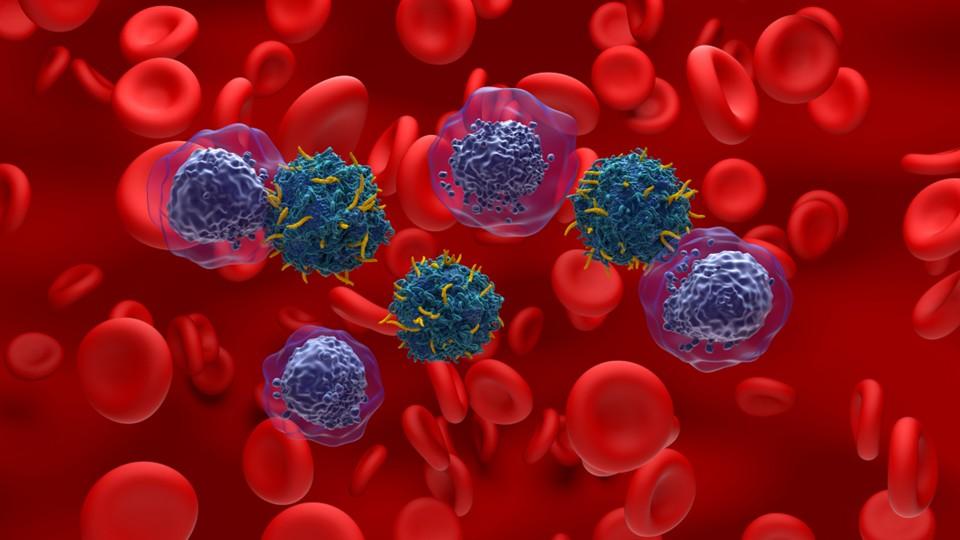
The 2025 meeting of the American Society of Hematology (ASH), held in December, showcased significant advancements in haematology. Key themes included the urgent need for scientific innovation and enhanced collaboration among stakeholders to tackle ongoing regulatory and access challenges. Outgoing ASH President, Dr. Belinda Avalos, emphasized the importance of advocacy in her address, urging attendees to “fight for science, fight for research, fight for haematology, and fight for our patients.”
With over 8,200 abstracts accepted, ASH 2025 highlighted breakthroughs in various areas, including sickle cell disease (SCD), platelet disorders, and next-generation cell therapies. The discussions underscored a commitment to improving patient quality of life, reducing treatment toxicity, and ensuring equitable access to clinical trials.
Advancements in Sickle Cell Disease Treatments
Presentations on SCD reflected a concerted effort to address its complex pathophysiology through innovative therapies. While hydroxyurea (HU) remains the standard treatment for increasing fetal hemoglobin (HbF), challenges related to patient adherence have necessitated alternative approaches. A Phase I study on panobinostat, an oral histone deacetylase inhibitor originally developed for cancer, demonstrated promising results. Patients intolerant to HU therapy showed manageable side effects and significant increases in HbF levels, suggesting panobinostat could be a viable option for high-risk individuals.
In addition, the CLIMB SCD-151 Phase III study presented preliminary data on the gene-editing therapy exagamglogene autotemcel, which has shown encouraging results in children as young as five years old. Notably, participants remained free of vaso-occlusive crises for up to two years following treatment. This success supports plans for regulatory expansion into pediatric applications.
The ACHiEvE-SCD trial explored the benefits of combining exogenous erythropoietin with HU, revealing improvements in hemoglobin levels and quality-of-life metrics without introducing safety concerns. Such advancements highlight the potential of optimizing existing treatments for symptomatic patients.
Emerging Therapies and Global Trial Access
ASH 2025 also showcased novel mechanisms of action targeting inflammation and vascular health. A Phase II study of epeleuton, a new therapy aimed at improving red blood cell integrity and reducing hemolysis, indicated positive outcomes. Researchers expressed a growing understanding that focusing solely on hemoglobin may not adequately address the burdens of SCD.
The conference underscored the imperative of increasing trial access and representation globally. Presentations from Uganda reinforced the need for culturally sensitive trial designs and partnerships with local healthcare providers. Jeffrey Keefer, head of IQVIA’s Therapeutic Science and Strategy Unit, highlighted the role of clinical research organizations in enhancing representation in trial designs, particularly for rare diseases.
Further discussions focused on immune thrombocytopenia (ITP) management. The VAYHIT2 Phase III study evaluated ianalumab, an anti-B-cell activating factor receptor monoclonal antibody, in adults with early ITP. Results indicated that ianalumab significantly extended time-to-treatment failure and improved stable platelet responses. These findings suggest a potential shift towards disease-modifying therapies for ITP, moving beyond transient solutions to achieve durable remissions.
The PROLONG program investigated strategies to optimize anti-CD20 therapy for ITP, finding that adding dexamethasone to rituximab improved initial responses significantly.
The landscape for treating acute myeloid leukaemia (AML) is also evolving. Traditionally reliant on intensive chemotherapy, recent data presented at ASH showed that a combination of azacitidine and the BCL-2 inhibitor venetoclax could provide comparable efficacy for fit patients while reducing toxicity and hospital stays. If further validated in Phase III trials, this combination could significantly ease the burden on patients.
Innovative therapies were not limited to traditional haematological conditions. The conference highlighted promising data on base-edited CAR-T cell therapies for relapsed/refractory pediatric T-cell acute lymphoblastic leukaemia. These therapies demonstrated robust expansion and persistence, enabling successful transitions to allogeneic stem cell transplantation.
The findings presented at ASH 2025 reflect a broader commitment to integrating innovation within haematology. As Michael Armstrong, MD, PhD, James French, MD, and Sarah Kromrey, PhD actively engage with the community, the focus remains on accelerating access to effective therapies while addressing the logistical challenges that impede real-world applications.
As the conference concluded, the overarching message was clear: while scientific progress is accelerating, translating breakthroughs into tangible patient benefits demands ongoing collaboration and innovative approaches to trial design and delivery. The future of haematology is poised to be defined by precision, durability, and enhanced access, promising meaningful change for patients around the globe.

Moyes Faces Referee Controversy Ahead of Everton vs Chelsea Clash

Man Hospitalised After Assault Outside Shop in Sandwell

Fred MacAulay and Ally McCoist Reunite for Special World Cup Show

NoOnes Targets $1 Trillion Gift Card Market to Enhance Crypto Access

Beloved Actor Matt Clark Passes Away at 89, Fans Mourn Loss

Discover How Milk Thistle Supplements Enhance Liver Health

Irish Community Care Celebrates 60 Years of Support in Liverpool

New Affordable Housing Development Planned for Crawley Site

Millions of Parking Tickets Issued Amid Calls for Reform

Claire Tomlinson Bids Farewell to Sky Sports After 27 Years

Iconic 90s TV Show House Hits Market for £1.1 Million

Tributes Flow for Kerry Gentle, Beloved RNLI Volunteer and Artist

Nathan Cleary’s Family Celebrates Engagement Amid Romance Rumors

Milk Bank Urges Mothers to Donate for Premature Babies’ Health

Shoppers Flock to Discounted Neck Pillow on Amazon for Travel Comfort

Alessia Russo Signs Long-Term Deal with Arsenal Ahead of WSL Season

Nuneaton Town FC Advances Plans for New Stadium in Stockingford

Museums Body Critiques EHRC Proposals on Gender Facilities
-
 Lifestyle6 months ago
Claire Tomlinson Bids Farewell to Sky Sports After 27 Years
-
 Entertainment9 months ago
Iconic 90s TV Show House Hits Market for £1.1 Million
-
 Lifestyle6 months ago
Tributes Flow for Kerry Gentle, Beloved RNLI Volunteer and Artist
-
 Sports11 months ago
Nathan Cleary’s Family Celebrates Engagement Amid Romance Rumors
-
 Lifestyle11 months ago
Milk Bank Urges Mothers to Donate for Premature Babies’ Health
-
 Lifestyle11 months ago
Shoppers Flock to Discounted Neck Pillow on Amazon for Travel Comfort
-
 Sports10 months ago
Alessia Russo Signs Long-Term Deal with Arsenal Ahead of WSL Season
-
 Sports8 months ago
Nuneaton Town FC Advances Plans for New Stadium in Stockingford
-
 Politics11 months ago
Museums Body Critiques EHRC Proposals on Gender Facilities
-

 Lifestyle11 months ago
Exploring England’s Cathedrals: A Journey Through History and Architecture
-

 Business11 months ago
Trump Visits Europe: Business, Politics, or Leisure?
-

 Lifestyle11 months ago
Japanese Teen Sorato Shimizu Breaks U18 100m Record in 10 Seconds