
Science
Instagram Denies Data Breach Claims Affecting 17 Million Users

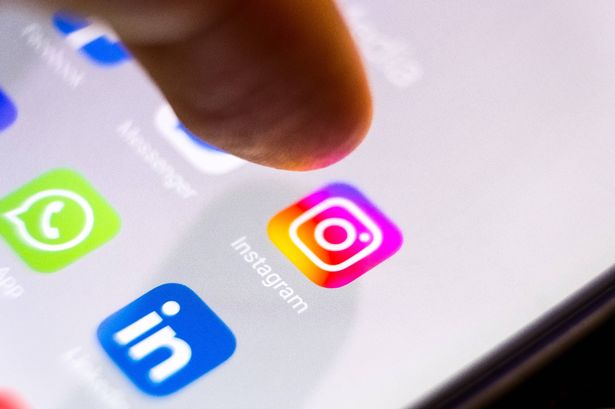
Instagram has responded to allegations regarding a significant data breach that reportedly impacted over 17 million user accounts. On January 10, 2024, claims surfaced that account information had been exposed online, coinciding with a surge of unsolicited password reset emails received by users. The cybersecurity firm Malwarebytes asserted that cybercriminals had stolen sensitive information from 17.5 million Instagram accounts, including usernames, physical addresses, phone numbers, and email addresses. According to their report, this data is being sold on the dark web, raising concerns about potential misuse by cybercriminals.
In a swift rebuttal, Instagram, owned by Meta, categorically dismissed these claims. The platform issued a statement on X on the morning of January 14, confirming that an external party had exploited a technical issue that allowed them to request password reset emails for some users. Instagram emphasized, “There was no breach of our systems and your Instagram accounts are secure. You can ignore those emails—sorry for any confusion.”
Despite this reassurance, many users remain skeptical. Some questioned how an external entity could trigger password reset actions without a breach. One user expressed their frustration, stating, “If an external party can trigger a password reset on my account, that IS a breach.” Another user lamented the time spent investigating the issue, stating, “I had to change my password, set up 2FA, and log out on all devices. What a waste of time.”
Further complicating the situation, some users have claimed they received emails that they believe are indicative of a data breach. One user claimed, “That’s wrong, and you’re trying to cover things up. I received emails and I’m very concerned that it was a data breach.” Another user even announced their decision to delete their account, stating, “You can’t get a third-party company to send a password reset email. That looks like our accounts have been hacked!”
Instagram’s Response and Security Measures
In light of these concerns, Instagram has outlined several measures to enhance account security and user protection. The platform strongly recommends enabling two-factor authentication (2FA) to bolster security. “If you’re using WhatsApp, in the coming weeks you will be able to protect your account using your WhatsApp number in certain countries,” Instagram noted. Users can also enable 2FA using their phone number or an authenticator app such as Duo Mobile or Google Authentication.
Instagram has further advised users to keep their email addresses and phone numbers associated with their accounts up to date. This ensures that if any issues arise, the platform can reach users quickly. “These steps let you recover your account even if your info has been changed by a hacker,” the platform stated.
As the situation continues to evolve, Instagram is committed to addressing user concerns and maintaining the security of its vast user base. The ongoing discourse reflects the heightened sensitivity surrounding data security and the importance of transparent communication between platforms and their users.

Moyes Faces Referee Controversy Ahead of Everton vs Chelsea Clash

Man Hospitalised After Assault Outside Shop in Sandwell

Fred MacAulay and Ally McCoist Reunite for Special World Cup Show

NoOnes Targets $1 Trillion Gift Card Market to Enhance Crypto Access

Beloved Actor Matt Clark Passes Away at 89, Fans Mourn Loss

Discover How Milk Thistle Supplements Enhance Liver Health

Irish Community Care Celebrates 60 Years of Support in Liverpool

New Affordable Housing Development Planned for Crawley Site

Millions of Parking Tickets Issued Amid Calls for Reform

Claire Tomlinson Bids Farewell to Sky Sports After 27 Years

Iconic 90s TV Show House Hits Market for £1.1 Million

Nathan Cleary’s Family Celebrates Engagement Amid Romance Rumors

Tributes Flow for Kerry Gentle, Beloved RNLI Volunteer and Artist

Milk Bank Urges Mothers to Donate for Premature Babies’ Health

Shoppers Flock to Discounted Neck Pillow on Amazon for Travel Comfort

Alessia Russo Signs Long-Term Deal with Arsenal Ahead of WSL Season

Nuneaton Town FC Advances Plans for New Stadium in Stockingford

Exploring England’s Cathedrals: A Journey Through History and Architecture
-
 Lifestyle8 months ago
Claire Tomlinson Bids Farewell to Sky Sports After 27 Years
-
 Entertainment11 months ago
Iconic 90s TV Show House Hits Market for £1.1 Million
-
 Sports1 year ago
Nathan Cleary’s Family Celebrates Engagement Amid Romance Rumors
-
 Lifestyle8 months ago
Tributes Flow for Kerry Gentle, Beloved RNLI Volunteer and Artist
-
 Lifestyle1 year ago
Milk Bank Urges Mothers to Donate for Premature Babies’ Health
-
 Lifestyle1 year ago
Shoppers Flock to Discounted Neck Pillow on Amazon for Travel Comfort
-
 Sports12 months ago
Alessia Russo Signs Long-Term Deal with Arsenal Ahead of WSL Season
-
 Sports9 months ago
Nuneaton Town FC Advances Plans for New Stadium in Stockingford
-
 Lifestyle1 year ago
Exploring England’s Cathedrals: A Journey Through History and Architecture
-

 Politics1 year ago
Museums Body Critiques EHRC Proposals on Gender Facilities
-

 Business1 year ago
Trump Visits Europe: Business, Politics, or Leisure?
-

 Lifestyle1 year ago
Japanese Teen Sorato Shimizu Breaks U18 100m Record in 10 Seconds