
Science
Study Reveals Plastic’s Deadly Impact on Marine Life

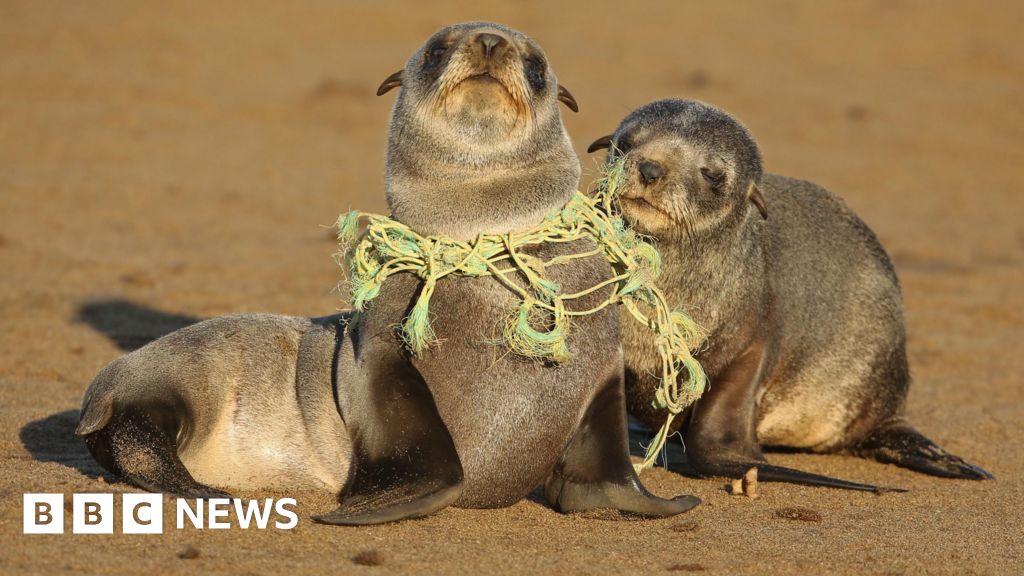
A comprehensive analysis of over 10,000 autopsies of marine animals has uncovered alarming insights into the fatal consequences of plastic ingestion. The study highlights the severe risks faced by seabirds, marine mammals, and sea turtles from even minimal amounts of plastic.
Researchers found that seabirds experience a staggering 90% chance of dying after swallowing just 23 pieces of plastic. Marine mammals, including seals and dolphins, reach similar levels of danger after ingesting around 29 pieces. In contrast, sea turtles can ingest approximately 405 pieces before experiencing a similar risk. These findings reveal how the volume of plastic that can be lethal is far less than previously understood.
The study, published in the Proceedings of the National Academy of Sciences, indicates that as little as the volume of soft plastic found in a soccer ball can be fatal to dolphins. For seabirds, the risk can stem from consuming just a few fragments of rubber smaller than a pea. This research underlines the urgent need to address plastic pollution as an existential threat to ocean wildlife.
Significant Findings from Global Data
The research team, led by Dr. Erin Murphy from the US-based environmental group, Ocean Conservancy, utilized autopsy data collected from various marine species worldwide. Nearly half of the sea turtles examined, one third of the seabirds, and about one in ten marine mammals were found to have ingested plastic.
The study assessed the risks associated with different types of plastic. It determined that rubber poses the most significant threat to seabirds, while soft plastics and fishing debris are particularly hazardous to marine mammals. Sea turtles are vulnerable to both hard and soft plastics. The researchers noted that their analysis focused solely on plastics found within the stomachs of these animals, meaning the actual impact of plastic pollution, including chemical effects and entanglement, could be even more severe.
The Broader Implications for Marine Conservation
The findings from this research serve as a critical reminder of the dangers posed by plastic pollution. Birds frequently mistake plastic fragments for food, while sea turtles often confuse plastic bags with jellyfish, their natural prey. Until this study, there was a lack of precise data regarding the lethal amounts of plastic for various marine species.
Dr. Murphy emphasized the need for concerted global efforts to tackle plastic pollution. “To effectively address plastic pollution, the science is clear,” she stated. “We need to reduce the amount of plastic we produce, improve collection and recycling, and clean up what’s already out there.”
With hundreds of marine species found with plastic in their bodies, this research is pivotal for shaping future conservation strategies. By understanding the specific risks associated with plastic ingestion, conservationists can better advocate for policies aimed at protecting marine wildlife and preserving ocean ecosystems.

Moyes Faces Referee Controversy Ahead of Everton vs Chelsea Clash

Man Hospitalised After Assault Outside Shop in Sandwell

Fred MacAulay and Ally McCoist Reunite for Special World Cup Show

NoOnes Targets $1 Trillion Gift Card Market to Enhance Crypto Access

Beloved Actor Matt Clark Passes Away at 89, Fans Mourn Loss

Discover How Milk Thistle Supplements Enhance Liver Health

Irish Community Care Celebrates 60 Years of Support in Liverpool

New Affordable Housing Development Planned for Crawley Site

Millions of Parking Tickets Issued Amid Calls for Reform

Claire Tomlinson Bids Farewell to Sky Sports After 27 Years

Iconic 90s TV Show House Hits Market for £1.1 Million

Nathan Cleary’s Family Celebrates Engagement Amid Romance Rumors

Tributes Flow for Kerry Gentle, Beloved RNLI Volunteer and Artist

Milk Bank Urges Mothers to Donate for Premature Babies’ Health

Shoppers Flock to Discounted Neck Pillow on Amazon for Travel Comfort

Alessia Russo Signs Long-Term Deal with Arsenal Ahead of WSL Season

Nuneaton Town FC Advances Plans for New Stadium in Stockingford

Exploring England’s Cathedrals: A Journey Through History and Architecture
-
 Lifestyle8 months ago
Claire Tomlinson Bids Farewell to Sky Sports After 27 Years
-
 Entertainment11 months ago
Iconic 90s TV Show House Hits Market for £1.1 Million
-
 Sports1 year ago
Nathan Cleary’s Family Celebrates Engagement Amid Romance Rumors
-
 Lifestyle8 months ago
Tributes Flow for Kerry Gentle, Beloved RNLI Volunteer and Artist
-
 Lifestyle1 year ago
Milk Bank Urges Mothers to Donate for Premature Babies’ Health
-
 Lifestyle1 year ago
Shoppers Flock to Discounted Neck Pillow on Amazon for Travel Comfort
-
 Sports12 months ago
Alessia Russo Signs Long-Term Deal with Arsenal Ahead of WSL Season
-
 Sports9 months ago
Nuneaton Town FC Advances Plans for New Stadium in Stockingford
-
 Lifestyle1 year ago
Exploring England’s Cathedrals: A Journey Through History and Architecture
-

 Politics1 year ago
Museums Body Critiques EHRC Proposals on Gender Facilities
-

 Business1 year ago
Trump Visits Europe: Business, Politics, or Leisure?
-

 Lifestyle1 year ago
Japanese Teen Sorato Shimizu Breaks U18 100m Record in 10 Seconds