
Science
UK Firm Unveils Fusion Breakthrough Promising Limitless Energy

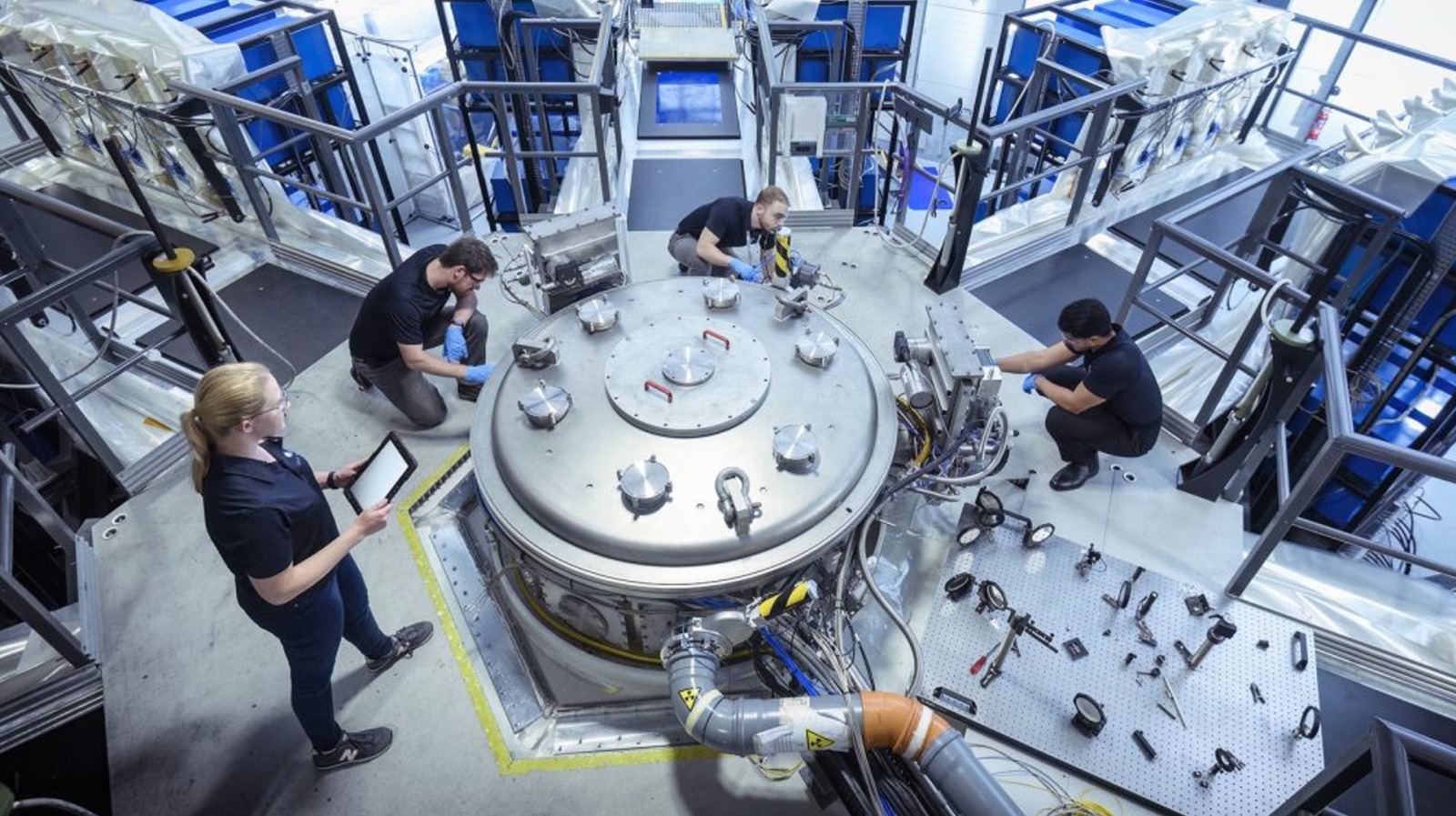
A significant development in fusion energy has emerged from the United Kingdom, where First Light Fusion (FLF) announced a breakthrough that could pave the way for commercially viable fusion reactors. This advancement marks a crucial step toward harnessing near-limitless energy, potentially revolutionizing the global power landscape.
Fusion power relies on the process of nuclear fusion, where two light atomic nuclei combine to form a heavier nucleus, releasing substantial energy. Theoretically, if this energy can be effectively captured and converted into electricity, fusion reactors could provide a sustainable alternative to fossil fuels, significantly reducing greenhouse gas emissions and reliance on coal and gas.
Despite numerous advancements in fusion research, a functional reactor has yet to materialize. The latest achievement by FLF, however, brings the dream of fusion energy closer to reality. The company has successfully developed a method to achieve “high gain” inertial fusion—a milestone not previously accomplished. In fusion terminology, “gain” refers to the generation of more energy from a reaction than is required to initiate it.
FLARE: A New Era in Fusion Technology
The innovative process introduced by First Light Fusion is known as FLARE, which stands for Fusion via Low-power Assembly and Rapid Excitation. This technique has the potential to achieve a gain of up to 1,000, a significant leap from the current maximum of four, as demonstrated by the U.S. Department of Energy’s National Ignition Facility in May 2025.
FLARE separates the compression and heating of fuel into distinct processes. The initial compression generates a surplus of energy through a method termed “fast ignition.” This advancement positions FLF as a pioneer in applying previously theoretical technology to practical use. According to FLF’s white paper, a single kilogram (2.2 lbs.) of fusion fuel holds the equivalent energy potential of approximately 10 million kilograms of coal (22,046,226 lbs.).
Ignition occurs when a small fuel source reaches fusion temperatures—around 100 million kelvin (179,999,540 degrees Fahrenheit)—resulting in a self-sustaining reaction. While achieving such extreme temperatures demands considerable energy, the potential for self-sustaining fusion would outweigh initial costs, leading to a substantial energy gain.
If FLARE operates as theorized, it could enable the establishment of multiple fusion reactors capable of generating enough energy to power the planet. This prospect shifts the narrative from uncertainty to optimism, as ongoing breakthroughs in fusion research continue to drive progress.
The implications of such advancements are profound. A successful transition to fusion energy could not only reduce humanity’s carbon footprint but also transform the global energy economy. As First Light Fusion continues to navigate this complex landscape, the dream of clean, limitless energy edges closer to realization.

Moyes Faces Referee Controversy Ahead of Everton vs Chelsea Clash

Man Hospitalised After Assault Outside Shop in Sandwell

Fred MacAulay and Ally McCoist Reunite for Special World Cup Show

NoOnes Targets $1 Trillion Gift Card Market to Enhance Crypto Access

Beloved Actor Matt Clark Passes Away at 89, Fans Mourn Loss

Discover How Milk Thistle Supplements Enhance Liver Health

Irish Community Care Celebrates 60 Years of Support in Liverpool

New Affordable Housing Development Planned for Crawley Site

Millions of Parking Tickets Issued Amid Calls for Reform

Claire Tomlinson Bids Farewell to Sky Sports After 27 Years

Iconic 90s TV Show House Hits Market for £1.1 Million

Nathan Cleary’s Family Celebrates Engagement Amid Romance Rumors

Tributes Flow for Kerry Gentle, Beloved RNLI Volunteer and Artist

Milk Bank Urges Mothers to Donate for Premature Babies’ Health

Shoppers Flock to Discounted Neck Pillow on Amazon for Travel Comfort

Alessia Russo Signs Long-Term Deal with Arsenal Ahead of WSL Season

Nuneaton Town FC Advances Plans for New Stadium in Stockingford

Exploring England’s Cathedrals: A Journey Through History and Architecture
-
 Lifestyle8 months ago
Claire Tomlinson Bids Farewell to Sky Sports After 27 Years
-
 Entertainment11 months ago
Iconic 90s TV Show House Hits Market for £1.1 Million
-
 Sports1 year ago
Nathan Cleary’s Family Celebrates Engagement Amid Romance Rumors
-
 Lifestyle8 months ago
Tributes Flow for Kerry Gentle, Beloved RNLI Volunteer and Artist
-
 Lifestyle1 year ago
Milk Bank Urges Mothers to Donate for Premature Babies’ Health
-
 Lifestyle1 year ago
Shoppers Flock to Discounted Neck Pillow on Amazon for Travel Comfort
-
 Sports12 months ago
Alessia Russo Signs Long-Term Deal with Arsenal Ahead of WSL Season
-
 Sports9 months ago
Nuneaton Town FC Advances Plans for New Stadium in Stockingford
-
 Lifestyle1 year ago
Exploring England’s Cathedrals: A Journey Through History and Architecture
-

 Politics1 year ago
Museums Body Critiques EHRC Proposals on Gender Facilities
-

 Business1 year ago
Trump Visits Europe: Business, Politics, or Leisure?
-

 Lifestyle1 year ago
Japanese Teen Sorato Shimizu Breaks U18 100m Record in 10 Seconds