
Science
UN Climate Talks Conclude Without Strong Fossil Fuel Commitments

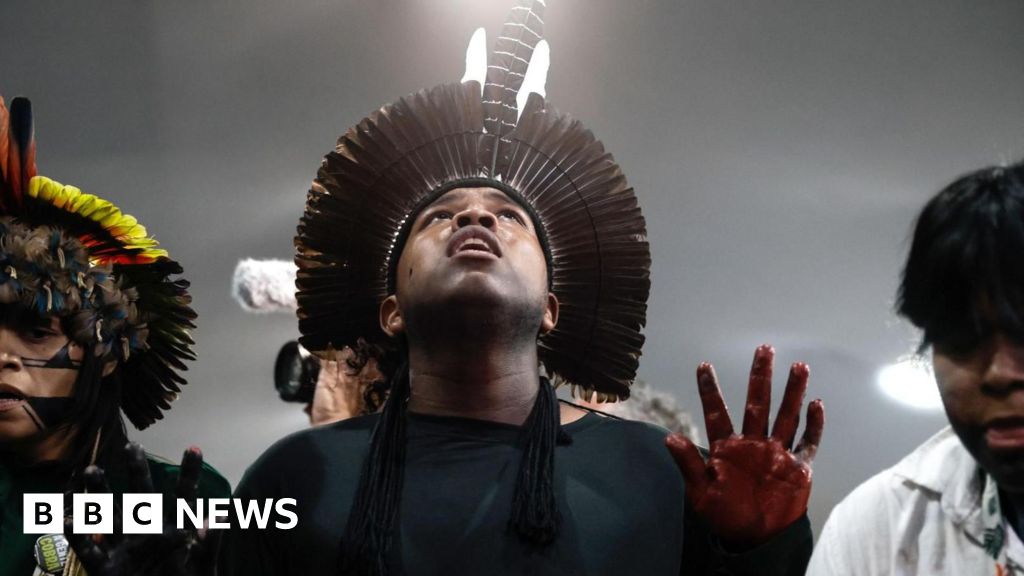
The UN climate summit COP30 in Belém, Brazil, has concluded without securing significant commitments to reduce fossil fuel dependency. The final agreement, known as the Mutirão, lacks any direct references to oil, coal, or gas, which disappointed over 80 nations, including the UK and European Union, that sought a stronger stance against fossil fuels.
Negotiations were marked by intense disagreements, as oil-producing countries maintained their position to utilize fossil fuel resources for economic growth. This outcome occurs amid concerns from the United Nations that global efforts to limit temperature rises to 1.5°C above pre-industrial levels are failing.
Colombian President Gustavo Petro expressed his discontent with the process, criticizing the COP presidency for not allowing countries to voice objections during the final plenary session. He stated, “I do not accept” the agreement, highlighting a growing divide between nations advocating for more robust climate action and those dependent on fossil fuels.
Challenges and Controversies at COP30
The two-week summit faced various challenges, including logistical issues such as running out of water in restrooms and severe weather conditions that caused flooding at the venue. Participants had to evacuate twice due to safety concerns, including a significant fire that led to a six-hour evacuation on one occasion.
Despite these obstacles, Brazilian President Luiz Inácio Lula da Silva aimed to draw attention to the Amazon rainforest and attract financial support for the region. However, Brazil itself faced criticism for its plans to expand oil drilling at the mouth of the Amazon, with analysis from campaign group Global Witness indicating that offshore oil and gas production is set to rise until the early 2030s.
Some nations expressed a degree of satisfaction with the outcomes. India praised the agreement as “meaningful,” while a coalition representing 39 small island and low-lying coastal states acknowledged it as “imperfect” but still a step towards progress.
Mixed Reactions on the Final Agreement
While some poorer countries received commitments for increased climate finance aimed at adaptation efforts, the overall sentiment was one of frustration for many. UK Secretary of State for Energy and Climate Change Ed Miliband described the meeting as a “step forward,” though he acknowledged a desire for a more ambitious agreement. Similarly, EU Climate Commissioner Wopke Hoekstra indicated that there was a collective wish for stronger commitments, stating, “We’re not going to hide the fact that we would have preferred to have more ambition.”
As the world grapples with the urgent need for climate action, the outcome of COP30 raises questions about the effectiveness of international negotiations in addressing the climate crisis. The absence of firm commitments regarding fossil fuels highlights the ongoing tensions between economic interests and environmental responsibilities.

Moyes Faces Referee Controversy Ahead of Everton vs Chelsea Clash

Man Hospitalised After Assault Outside Shop in Sandwell

Fred MacAulay and Ally McCoist Reunite for Special World Cup Show

NoOnes Targets $1 Trillion Gift Card Market to Enhance Crypto Access

Beloved Actor Matt Clark Passes Away at 89, Fans Mourn Loss

Discover How Milk Thistle Supplements Enhance Liver Health

Irish Community Care Celebrates 60 Years of Support in Liverpool

New Affordable Housing Development Planned for Crawley Site

Millions of Parking Tickets Issued Amid Calls for Reform

Claire Tomlinson Bids Farewell to Sky Sports After 27 Years

Iconic 90s TV Show House Hits Market for £1.1 Million

Nathan Cleary’s Family Celebrates Engagement Amid Romance Rumors

Tributes Flow for Kerry Gentle, Beloved RNLI Volunteer and Artist

Milk Bank Urges Mothers to Donate for Premature Babies’ Health

Shoppers Flock to Discounted Neck Pillow on Amazon for Travel Comfort

Alessia Russo Signs Long-Term Deal with Arsenal Ahead of WSL Season

Nuneaton Town FC Advances Plans for New Stadium in Stockingford

Exploring England’s Cathedrals: A Journey Through History and Architecture
-
 Lifestyle8 months ago
Claire Tomlinson Bids Farewell to Sky Sports After 27 Years
-
 Entertainment11 months ago
Iconic 90s TV Show House Hits Market for £1.1 Million
-
 Sports1 year ago
Nathan Cleary’s Family Celebrates Engagement Amid Romance Rumors
-
 Lifestyle8 months ago
Tributes Flow for Kerry Gentle, Beloved RNLI Volunteer and Artist
-
 Lifestyle1 year ago
Milk Bank Urges Mothers to Donate for Premature Babies’ Health
-
 Lifestyle1 year ago
Shoppers Flock to Discounted Neck Pillow on Amazon for Travel Comfort
-
 Sports12 months ago
Alessia Russo Signs Long-Term Deal with Arsenal Ahead of WSL Season
-
 Sports9 months ago
Nuneaton Town FC Advances Plans for New Stadium in Stockingford
-
 Lifestyle1 year ago
Exploring England’s Cathedrals: A Journey Through History and Architecture
-

 Politics1 year ago
Museums Body Critiques EHRC Proposals on Gender Facilities
-

 Business1 year ago
Trump Visits Europe: Business, Politics, or Leisure?
-

 Lifestyle1 year ago
Japanese Teen Sorato Shimizu Breaks U18 100m Record in 10 Seconds