
Science
Vera C Rubin Observatory Unveils Real-Time Astronomical Alerts

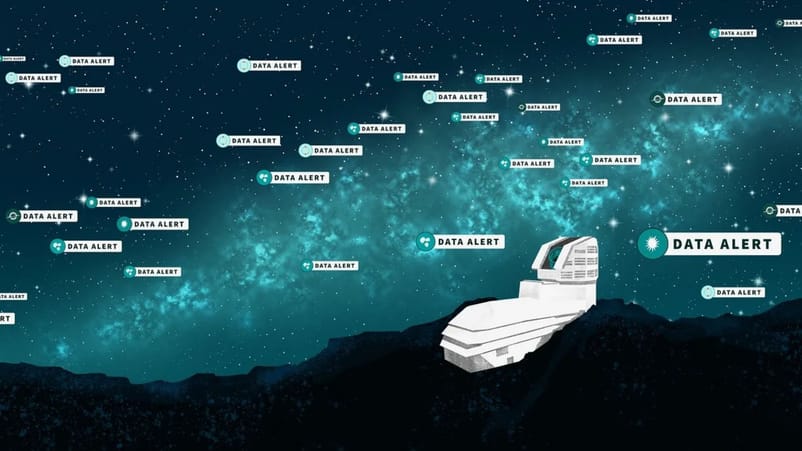
The Vera C Rubin Observatory has launched a groundbreaking alert system that enables near real-time notifications of astronomical events. On February 24, 2024, the observatory issued an impressive 800,000 alerts, a number projected to rise to seven million alerts each night as operations ramp up. These alerts notify astronomers of transient phenomena in the night sky, including new asteroids, exploding stars, and other celestial objects that exhibit changes in brightness or position.
Among the initial detections were supernovae, variable stars, active galactic nuclei, and various Solar System objects. This new capability marks a significant milestone for the observatory, paving the way for its upcoming Legacy Survey for Space and Time, set to commence later in the year. This ambitious project aims to scan the Southern Hemisphere’s night sky over a span of ten years using the largest digital camera ever constructed.
The observatory’s advanced technology allows it to track a variety of cosmic events. It monitors stars that have exhausted their nuclear fuel and exploded, variable stars that fluctuate in brightness, and tidal disruption events caused by supermassive black holes consuming wandering stars. Additionally, it keeps an eye on smaller Solar System bodies such as asteroids and comets. The alert system operates by detecting any changes in comparison to previous images, issuing a notification each time an object grows brighter, dims, or shifts its position.
Data Processing and Alert Distribution
To support this extensive monitoring, the Vera C Rubin Observatory processes an enormous volume of data. Each night, it captures approximately 10 terabytes of images, necessitating years of technological innovation to develop effective image processing algorithms and data management systems. The observatory’s alert notifications reach the scientific community in near real-time, with public alerts dispatched within just two minutes of a detection. This quick turnaround is unprecedented for a transient tracking system.
A sophisticated network of software platforms, often referred to as brokers, employs machine learning algorithms to filter, sort, and classify the alerts before disseminating them. This efficient system ensures that astronomers can swiftly conduct follow-up observations to gain deeper insights into detected events.
The launch of this alert system is not just a technological achievement; it represents a significant advancement in the field of astronomy. By facilitating rapid communication of transient events, the Vera C Rubin Observatory enhances the ability of researchers to study celestial phenomena, ultimately contributing to our understanding of the universe. As the observatory prepares for its comprehensive survey, the scientific community eagerly anticipates the discoveries that will emerge from this state-of-the-art facility.

Moyes Faces Referee Controversy Ahead of Everton vs Chelsea Clash

Man Hospitalised After Assault Outside Shop in Sandwell

Fred MacAulay and Ally McCoist Reunite for Special World Cup Show

NoOnes Targets $1 Trillion Gift Card Market to Enhance Crypto Access

Beloved Actor Matt Clark Passes Away at 89, Fans Mourn Loss

Discover How Milk Thistle Supplements Enhance Liver Health

Irish Community Care Celebrates 60 Years of Support in Liverpool

New Affordable Housing Development Planned for Crawley Site

Millions of Parking Tickets Issued Amid Calls for Reform

Claire Tomlinson Bids Farewell to Sky Sports After 27 Years

Iconic 90s TV Show House Hits Market for £1.1 Million

Nathan Cleary’s Family Celebrates Engagement Amid Romance Rumors

Tributes Flow for Kerry Gentle, Beloved RNLI Volunteer and Artist

Milk Bank Urges Mothers to Donate for Premature Babies’ Health

Shoppers Flock to Discounted Neck Pillow on Amazon for Travel Comfort

Alessia Russo Signs Long-Term Deal with Arsenal Ahead of WSL Season

Nuneaton Town FC Advances Plans for New Stadium in Stockingford

Exploring England’s Cathedrals: A Journey Through History and Architecture
-
 Lifestyle8 months ago
Claire Tomlinson Bids Farewell to Sky Sports After 27 Years
-
 Entertainment11 months ago
Iconic 90s TV Show House Hits Market for £1.1 Million
-
 Sports1 year ago
Nathan Cleary’s Family Celebrates Engagement Amid Romance Rumors
-
 Lifestyle8 months ago
Tributes Flow for Kerry Gentle, Beloved RNLI Volunteer and Artist
-
 Lifestyle1 year ago
Milk Bank Urges Mothers to Donate for Premature Babies’ Health
-
 Lifestyle1 year ago
Shoppers Flock to Discounted Neck Pillow on Amazon for Travel Comfort
-
 Sports12 months ago
Alessia Russo Signs Long-Term Deal with Arsenal Ahead of WSL Season
-
 Sports9 months ago
Nuneaton Town FC Advances Plans for New Stadium in Stockingford
-
 Lifestyle1 year ago
Exploring England’s Cathedrals: A Journey Through History and Architecture
-

 Politics1 year ago
Museums Body Critiques EHRC Proposals on Gender Facilities
-

 Business1 year ago
Trump Visits Europe: Business, Politics, or Leisure?
-

 Lifestyle1 year ago
Japanese Teen Sorato Shimizu Breaks U18 100m Record in 10 Seconds