
Sports
F1 Unveils Major 2026 Regulations: A New Era of Racing Begins

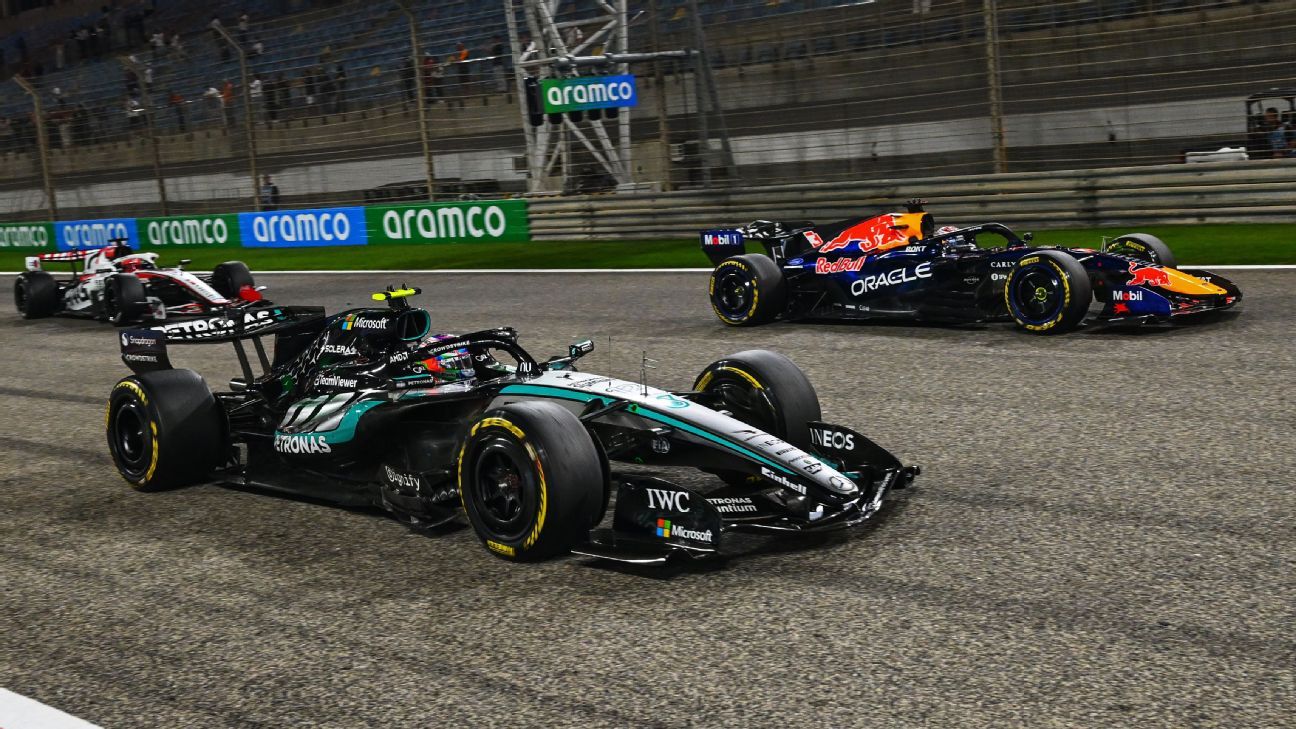
Formula 1 is set to embark on a transformative journey in the 2026 season, introducing the most significant regulation changes in the sport’s history. These changes will impact the cars’ power units, aerodynamics, tires, and fuel, reshaping how teams approach racing. With the new rules now in place, drivers and engineers must adapt quickly to a complex lexicon of regulations that some, including seven-time world champion Lewis Hamilton, have described as “ridiculously complex.”
As the teams prepare for the opening round in Melbourne on March 5, 2026, an understanding of the key changes is essential for fans and participants alike. This overview aims to clarify the main areas of change that will influence the upcoming races.
Power Units: A Shift Towards Sustainability
The heart of the 2026 regulations lies in a commitment to sustainability. The new power units will be powered 50% by sustainable fuels and 50% by electric energy, significantly altering the dynamics of performance. The shift from the previous 80/20 split between the internal combustion engine (ICE) and energy recovery system (ERS) will see the electrical output from the motor generator unit-kinetic (MGU-K) increase from 120 kW (161 hp) to 350 kW (469 hp). Meanwhile, the ICE’s power will be reduced from over 550 kW (738 hp) to approximately 400 kW (536 hp).
The changes necessitate a more strategic approach to energy management, with drivers needing to balance their energy deployment effectively throughout the race. The total usable energy stored in the battery is capped at 4 megajoules (MJ), meaning careful tracking of battery levels will be crucial. As Christian Horner, former Red Bull team principal, noted, these new cars may resemble “Frankenstein” creations, reflecting the complexity of the modifications.
Aerodynamics and Car Design: Smaller and More Agile
The FIA’s “Nimble Car Concept” has led to a reduction in the dimensions of F1 cars, with a maximum wheelbase length decreased by 20 cm (7.8 inches) and track width by 10 cm (3.9 inches). The overall weight limit has been trimmed by 30 kg (66 pounds), potentially enhancing maneuverability. This evolution aims to improve wheel-to-wheel racing, particularly on tighter circuits.
Drivers have already reported noticeable differences during preseason testing, with the lighter and smaller cars promising a more engaging race experience. The FIA aims to reduce downforce by 30% and drag by 55% through revised regulations that include a return to flat-bottomed cars, which should alleviate some of the challenges posed by turbulent air when racing closely behind another vehicle.
Innovative Tire and Fuel Regulations
The tire specifications have also changed, with Pirelli introducing narrower tires—25 mm (0.9 inch) at the front and 30 mm (1.1 inches) at the rear—while maintaining the 18-inch wheel size. The reduction in tire width is expected to decrease drag and weight, aligning with the overall goals of efficiency and sustainability.
In a groundbreaking move, Formula 1 will transition to advanced sustainable fuels, which must not contribute to atmospheric carbon levels. These fuels will be produced through renewable energy sources, including carbon capture and non-food biomass. Although sustainability is the guiding principle, the cost of these fuels is a concern, with estimates suggesting prices could exceed $200 per liter.
The 2026 regulations represent a bold step for Formula 1, aiming to attract new manufacturers and enhance competitiveness. Audi has committed to the new engine regulations, while Honda has reversed its previous decision to exit the sport. The introduction of these rules signifies a pivotal moment in F1 history, with the potential to redefine the racing landscape.
As the world of motorsport braces for this new chapter, the impact of these changes will be closely monitored. Understanding the evolving technical landscape will be critical for both fans and teams as they adjust to a sport that is becoming increasingly complex yet more focused on sustainability and innovation. The 2026 season promises not only to challenge existing norms but also to usher in a new era of racing that prioritizes both performance and environmental responsibility.

Moyes Faces Referee Controversy Ahead of Everton vs Chelsea Clash

Man Hospitalised After Assault Outside Shop in Sandwell

Fred MacAulay and Ally McCoist Reunite for Special World Cup Show

NoOnes Targets $1 Trillion Gift Card Market to Enhance Crypto Access

Beloved Actor Matt Clark Passes Away at 89, Fans Mourn Loss

Discover How Milk Thistle Supplements Enhance Liver Health

Irish Community Care Celebrates 60 Years of Support in Liverpool

New Affordable Housing Development Planned for Crawley Site

Millions of Parking Tickets Issued Amid Calls for Reform

Claire Tomlinson Bids Farewell to Sky Sports After 27 Years

Iconic 90s TV Show House Hits Market for £1.1 Million

Tributes Flow for Kerry Gentle, Beloved RNLI Volunteer and Artist

Milk Bank Urges Mothers to Donate for Premature Babies’ Health

Shoppers Flock to Discounted Neck Pillow on Amazon for Travel Comfort

Alessia Russo Signs Long-Term Deal with Arsenal Ahead of WSL Season

Nathan Cleary’s Family Celebrates Engagement Amid Romance Rumors

Museums Body Critiques EHRC Proposals on Gender Facilities

Trump Visits Europe: Business, Politics, or Leisure?
-
 Lifestyle3 months ago
Claire Tomlinson Bids Farewell to Sky Sports After 27 Years
-
 Entertainment6 months ago
Iconic 90s TV Show House Hits Market for £1.1 Million
-
 Lifestyle3 months ago
Tributes Flow for Kerry Gentle, Beloved RNLI Volunteer and Artist
-
 Lifestyle8 months ago
Milk Bank Urges Mothers to Donate for Premature Babies’ Health
-
 Lifestyle8 months ago
Shoppers Flock to Discounted Neck Pillow on Amazon for Travel Comfort
-
 Sports7 months ago
Alessia Russo Signs Long-Term Deal with Arsenal Ahead of WSL Season
-
 Sports8 months ago
Nathan Cleary’s Family Celebrates Engagement Amid Romance Rumors
-
 Politics8 months ago
Museums Body Critiques EHRC Proposals on Gender Facilities
-
 Business8 months ago
Trump Visits Europe: Business, Politics, or Leisure?
-

 Sports5 months ago
Nuneaton Town FC Advances Plans for New Stadium in Stockingford
-

 Lifestyle8 months ago
Japanese Teen Sorato Shimizu Breaks U18 100m Record in 10 Seconds
-

 Lifestyle8 months ago
Exploring England’s Cathedrals: A Journey Through History and Architecture