
Sports
Police Halt Carnival Parade in Kotor Over Ministerial Mockery

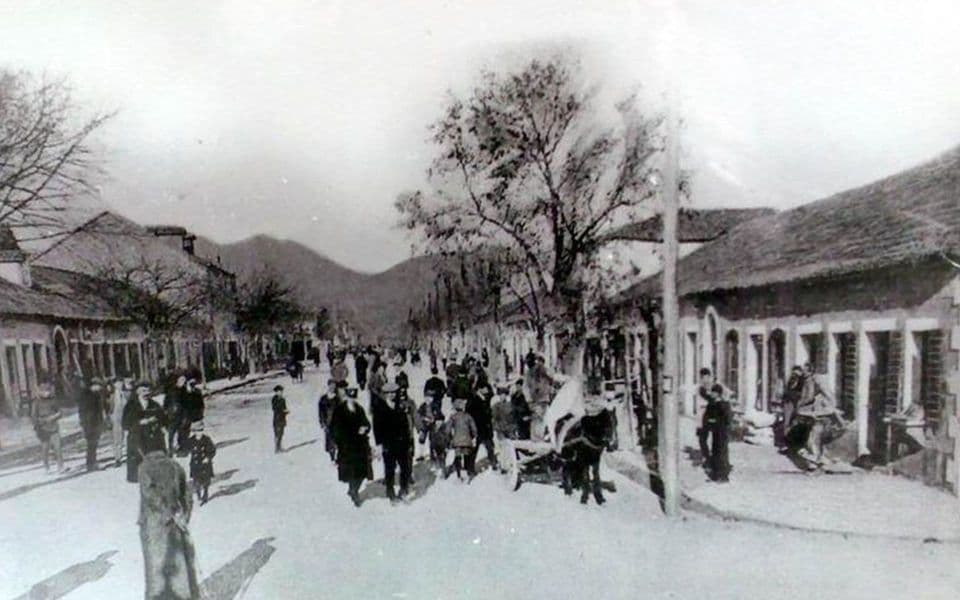
In an unexpected turn of events, police intervened to interrupt a carnival parade in Kotor, Montenegro, following complaints regarding a performance that mocked a government minister. The incident, which occurred on March 3, 2024, highlights ongoing tensions between local authorities and expressions of artistic freedom.
The carnival, a vibrant celebration that attracts visitors each year, featured various performances meant to entertain and engage the audience. However, a segment that included satire directed at a minister drew the ire of some attendees, prompting police action to ensure public order.
Historical Context of Artistic Expression
This incident is reminiscent of events from nearly ninety years ago in Podgorica, where similar expressions of satire faced backlash. Back then, performers often faced scrutiny for their critiques of authority, and it appears that such tensions remain relevant today.
The current situation raises important questions about the balance between freedom of expression and respect for political figures. Many local residents have expressed support for the performers, arguing that satire is a vital part of cultural commentary. A resident of Kotor remarked, “Carnivals are meant to be a space for laughter and reflection. If we cannot poke fun at our leaders, what does that say about our society?”
Officials have not publicly identified the minister in question, nor have they commented extensively on the police intervention. The decision to halt the parade has sparked discussions about governmental authority over public celebrations and the limits of artistic expression.
The police’s action has drawn criticism from various groups advocating for creative freedom. Many argue that such interruptions could set a troubling precedent for future cultural events. As one local artist stated, “Art should challenge and provoke. If we start censoring that, we lose a part of our identity.”
Implications for Future Celebrations
With the carnival season still in full swing, the aftermath of this incident may influence how future events are organized in Kotor and beyond. Organizers may need to navigate the fine line between satire and political sensitivity more carefully, which could alter the traditional spirit of these festivities.
As the discussions continue, both residents and visitors remain hopeful that the vibrant culture of Kotor will endure, embracing the playful and critical spirit that carnivals traditionally embody. The balance between maintaining public order and fostering a lively, expressive environment remains a delicate challenge for authorities in Montenegro.
While the immediate future of Kotor’s carnival celebrations may remain uncertain, the community’s commitment to artistic freedom is evident. As the festival progresses, many are eager to see how this incident will shape the dialogue around art and politics in the region.

Moyes Faces Referee Controversy Ahead of Everton vs Chelsea Clash

Man Hospitalised After Assault Outside Shop in Sandwell

Fred MacAulay and Ally McCoist Reunite for Special World Cup Show

NoOnes Targets $1 Trillion Gift Card Market to Enhance Crypto Access

Beloved Actor Matt Clark Passes Away at 89, Fans Mourn Loss

Discover How Milk Thistle Supplements Enhance Liver Health

Irish Community Care Celebrates 60 Years of Support in Liverpool

New Affordable Housing Development Planned for Crawley Site

Millions of Parking Tickets Issued Amid Calls for Reform

Claire Tomlinson Bids Farewell to Sky Sports After 27 Years

Iconic 90s TV Show House Hits Market for £1.1 Million

Tributes Flow for Kerry Gentle, Beloved RNLI Volunteer and Artist

Nathan Cleary’s Family Celebrates Engagement Amid Romance Rumors

Milk Bank Urges Mothers to Donate for Premature Babies’ Health

Shoppers Flock to Discounted Neck Pillow on Amazon for Travel Comfort

Alessia Russo Signs Long-Term Deal with Arsenal Ahead of WSL Season

Nuneaton Town FC Advances Plans for New Stadium in Stockingford

Museums Body Critiques EHRC Proposals on Gender Facilities
-
 Lifestyle6 months ago
Claire Tomlinson Bids Farewell to Sky Sports After 27 Years
-
 Entertainment9 months ago
Iconic 90s TV Show House Hits Market for £1.1 Million
-
 Lifestyle7 months ago
Tributes Flow for Kerry Gentle, Beloved RNLI Volunteer and Artist
-
 Sports11 months ago
Nathan Cleary’s Family Celebrates Engagement Amid Romance Rumors
-
 Lifestyle11 months ago
Milk Bank Urges Mothers to Donate for Premature Babies’ Health
-
 Lifestyle11 months ago
Shoppers Flock to Discounted Neck Pillow on Amazon for Travel Comfort
-
 Sports10 months ago
Alessia Russo Signs Long-Term Deal with Arsenal Ahead of WSL Season
-
 Sports8 months ago
Nuneaton Town FC Advances Plans for New Stadium in Stockingford
-
 Politics11 months ago
Museums Body Critiques EHRC Proposals on Gender Facilities
-

 Lifestyle11 months ago
Exploring England’s Cathedrals: A Journey Through History and Architecture
-

 Business11 months ago
Trump Visits Europe: Business, Politics, or Leisure?
-

 Lifestyle11 months ago
Japanese Teen Sorato Shimizu Breaks U18 100m Record in 10 Seconds