
Top Stories
DOJ Blocks Congress from Accessing Epstein Records, Sparks Outrage

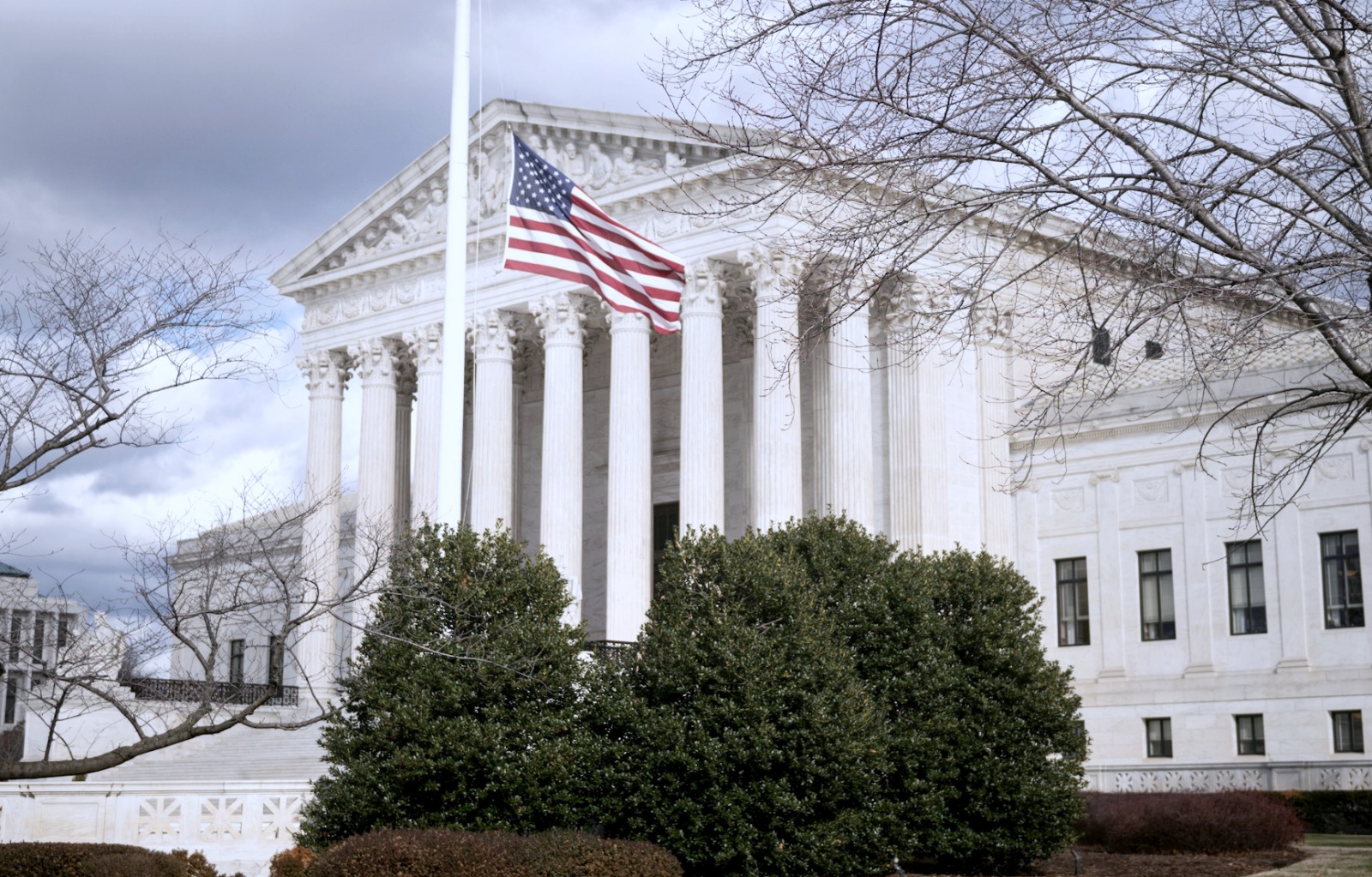
Public and congressional pressure for the release of documents related to Jeffrey Epstein has intensified as the US Department of Justice (DOJ) has taken a firm stance against disclosing these records. Despite the passage of the Epstein Files Transparency Act in late 2025, which mandated the release of all unclassified records pertaining to Epstein’s alleged trafficking networks, the DOJ claims it is not legally obligated to comply with congressional requests or court orders to release further materials.
On January 16, 2026, US Attorney Jay Clayton sent a letter to Judge Paul A. Engelmayer in New York, requesting him to deny a proposal from congressional sponsors of the Epstein Files Transparency Act. This proposal sought to appoint a neutral expert to oversee the release of Epstein-related documents. The DOJ argues that the federal court lacks the authority to enforce such an appointment, stating that the request should be dismissed.
The DOJ’s decision has drawn sharp criticism from lawmakers, particularly Representatives Ro Khanna and Thomas Massie, who co-sponsored the Transparency Act. They have been vocal advocates for wider access to the FBI and DOJ records linked to Epstein and his accomplice, Ghislaine Maxwell. Recent disclosures indicate that the DOJ has only released approximately 12,000 documents from over two million currently under review, prompting accusations of non-compliance and insufficient transparency.
Ongoing Controversy Over Limited Disclosure
The Epstein Files Transparency Act aims to provide the public with comprehensive insights into the investigations surrounding Epstein’s high-profile connections. Although the Act mandates the release of unclassified documents, critics argue that the DOJ’s current disclosures represent less than 1% of the total records. This situation has led to allegations of potential wrongdoing in the government’s handling of these sensitive materials.
In their legal filing, Khanna and Massie expressed “urgent and grave concerns” regarding the DOJ’s slow release of the documents, which they claim began in December 2025. They highlighted that extensive redactions in the released files have inflicted “serious trauma to survivors” and may violate the intent of the Transparency Act.
Clayton’s letter emphasized that a judge cannot appoint a monitor to oversee the document release process, asserting that the Act lacks an enforcement mechanism in criminal cases. As such, he contended that there is no legal foundation for a court to compel the DOJ to expedite the release of the Epstein files. The department maintained that congressional representatives lack the legal standing to seek judicial remedies in this matter.
The DOJ further noted that Ghislaine Maxwell‘s conviction for sex trafficking remains a closed case, having been upheld by the appeals court and denied review by the Supreme Court. Consequently, officials argue that the issue is no longer an active criminal matter, reinforcing their stance against congressional intervention.
Privacy Concerns and Future Steps
Officials at the DOJ have stated that the slow pace of document release and the extensive redactions are necessary to protect the privacy of victims and ensure thorough review of sensitive material. They have committed to keeping the court informed of any progress but have not provided a specific timeline for the complete release of the Epstein files.
As the controversy unfolds, the divide between the DOJ’s legal interpretations and the calls for transparency from Congress continues to grow. The implications of this conflict could have lasting effects on public trust in governmental oversight, particularly concerning high-profile investigations involving influential figures. The ongoing demands for accountability and transparency surrounding the Epstein case highlight the challenges faced in balancing legal obligations with public interest.

Moyes Faces Referee Controversy Ahead of Everton vs Chelsea Clash

Man Hospitalised After Assault Outside Shop in Sandwell

Fred MacAulay and Ally McCoist Reunite for Special World Cup Show

NoOnes Targets $1 Trillion Gift Card Market to Enhance Crypto Access

Beloved Actor Matt Clark Passes Away at 89, Fans Mourn Loss

Discover How Milk Thistle Supplements Enhance Liver Health

Irish Community Care Celebrates 60 Years of Support in Liverpool

New Affordable Housing Development Planned for Crawley Site

Millions of Parking Tickets Issued Amid Calls for Reform

Claire Tomlinson Bids Farewell to Sky Sports After 27 Years

Iconic 90s TV Show House Hits Market for £1.1 Million

Tributes Flow for Kerry Gentle, Beloved RNLI Volunteer and Artist

Nathan Cleary’s Family Celebrates Engagement Amid Romance Rumors

Milk Bank Urges Mothers to Donate for Premature Babies’ Health

Shoppers Flock to Discounted Neck Pillow on Amazon for Travel Comfort

Alessia Russo Signs Long-Term Deal with Arsenal Ahead of WSL Season

Nuneaton Town FC Advances Plans for New Stadium in Stockingford

Museums Body Critiques EHRC Proposals on Gender Facilities
-
 Lifestyle6 months ago
Claire Tomlinson Bids Farewell to Sky Sports After 27 Years
-
 Entertainment9 months ago
Iconic 90s TV Show House Hits Market for £1.1 Million
-
 Lifestyle7 months ago
Tributes Flow for Kerry Gentle, Beloved RNLI Volunteer and Artist
-
 Sports11 months ago
Nathan Cleary’s Family Celebrates Engagement Amid Romance Rumors
-
 Lifestyle11 months ago
Milk Bank Urges Mothers to Donate for Premature Babies’ Health
-
 Lifestyle11 months ago
Shoppers Flock to Discounted Neck Pillow on Amazon for Travel Comfort
-
 Sports10 months ago
Alessia Russo Signs Long-Term Deal with Arsenal Ahead of WSL Season
-
 Sports8 months ago
Nuneaton Town FC Advances Plans for New Stadium in Stockingford
-
 Politics11 months ago
Museums Body Critiques EHRC Proposals on Gender Facilities
-

 Lifestyle11 months ago
Exploring England’s Cathedrals: A Journey Through History and Architecture
-

 Business11 months ago
Trump Visits Europe: Business, Politics, or Leisure?
-

 Lifestyle11 months ago
Japanese Teen Sorato Shimizu Breaks U18 100m Record in 10 Seconds