
Top Stories
Dusan Janjic Highlights Russian Influence in Montenegro’s Politics

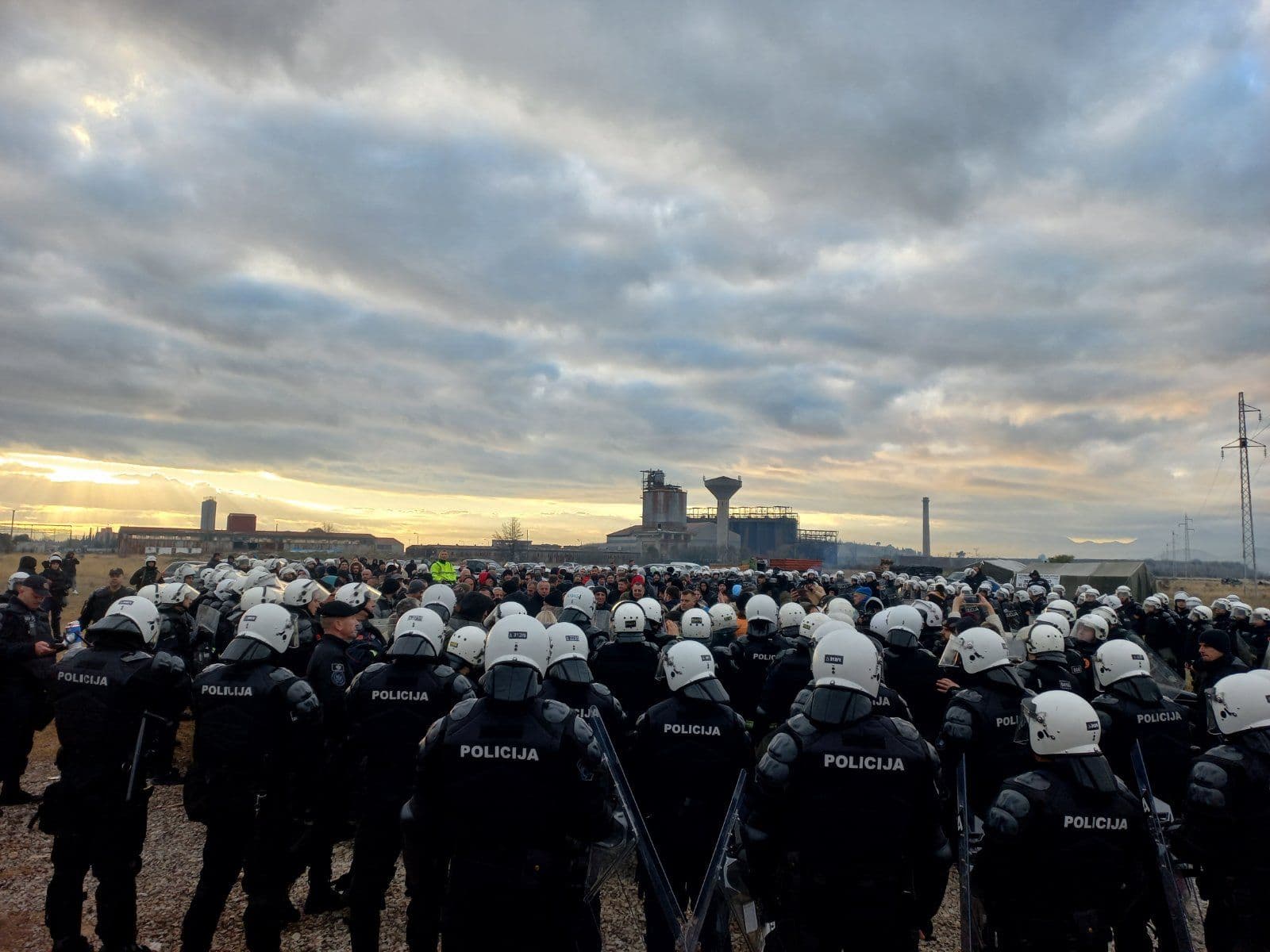
Dusan Janjic, director of the Forum for International Relations, has spoken out about the recent political actions surrounding Milan Knezevic in Montenegro. He claims that these actions are part of a broader strategy orchestrated by Russian influence to maintain its foothold in the region. Janjic argues that the event surrounding Knezevic is a manufactured situation designed to serve the interests of Serbian President Aleksandar Vucic.
According to Janjic, the incident is crafted to create a narrative that allows Vucic to communicate with international actors, suggesting a semblance of control over domestic issues. He stated, “Knezevic is needed for Vucic to say to international factors that he is involved, allowing him to caution Knezevic against potential risks.” This tactic, he believes, is aimed at diverting attention from the ongoing discussions regarding Montenegro’s potential accession to the European Union.
Janjić emphasized that Russia has been involved in political machinations in the Balkans since the 1990s, a presence that has only intensified over time. He pointed out that the actions in Botun, which drew significant media attention, demonstrate a coordinated effort to safeguard Vucic from both internal and external pressures. This situation illustrates the concept of the “Serbian World,” which Janjic described as a Russian initiative that seeks to foster a sense of unity among Serbs across various nations.
Understanding the Russian Strategy
Janjić elaborated on the methods employed by political figures such as Knezevic and Vladislav Dajkovic, who are bolstered by pro-government media campaigns. He argued that their rhetoric, which often frames issues as existential threats to the Serbian people, is a dangerous political maneuver. “They do not act independently; their actions can escalate into significant political movements,” Janjic stated.
He noted that the increased activity of security services in the region, particularly highlighted during a January 9 event in Banja Luka, serves to remind the public of paramilitary groups trained by Russian forces. Janjic expressed concern about the potential implications of these groups, suggesting they pose a serious security risk to both Montenegro and the broader region.
Janjić contended that Russia continues to wield considerable influence in Montenegro, maintaining connections with politicians and clergy who owe their allegiance to the Russian security services, including the FSB and GRU. He cited the historical context, recalling how former Montenegrin President Milo Đukanović removed Russian operatives from key positions to facilitate Montenegro’s NATO membership. Currently, Russian influence in Serbia, he argues, penetrates deeply into the middle levels of law enforcement.
Montenegro’s Political Landscape
Janjić assessed that Montenegro has reached a peak in its foreign policy ambitions by joining NATO and inching toward EU membership. In contrast, he characterized Serbia as a destabilizing force in the region, with Vucic unable to mitigate Russian influence effectively. He pointed to the case of the Serbian Oil Industry as an example of enduring Russian stakes in the country.
Knezevic’s actions, Janjić explained, are aimed at presenting a façade of political activity, suggesting that if he faces scrutiny, he can frame it as a campaign move. This tactic is reminiscent of previous political strategies in the region, where leaders manipulate nationalistic sentiments to bolster their positions.
The discourse surrounding the Serbian Orthodox Church (SPC) also plays a critical role in this political landscape. Janjić raised the question of whether the SPC can mobilize citizens in response to news from Russian authorities regarding church matters, despite earlier denials from the Patriarchate of Constantinople. He acknowledged that while the SPC retains the capacity to rally support, it cannot replicate the mass mobilization seen in the past under the late Amfilohije Radović.
Janjić concluded that the current political dynamics in Montenegro are vastly different from the pre-liturgical mobilizations. Vucic, according to him, lacks the strength to effectively support Knezevic and is banking on a fragmented political landscape in Montenegro to navigate these challenges. He underscored the urgency for the EU to engage with Montenegro, especially in light of Knezevic’s role in advancing foreign interests, which may undermine the stability of the region.
In summary, Janjić’s insights provide a comprehensive understanding of the complex interplay between local political figures, Russian influence, and the broader geopolitical implications for Montenegro and the Balkans.

Moyes Faces Referee Controversy Ahead of Everton vs Chelsea Clash

Man Hospitalised After Assault Outside Shop in Sandwell

Fred MacAulay and Ally McCoist Reunite for Special World Cup Show

NoOnes Targets $1 Trillion Gift Card Market to Enhance Crypto Access

Beloved Actor Matt Clark Passes Away at 89, Fans Mourn Loss

Discover How Milk Thistle Supplements Enhance Liver Health

Irish Community Care Celebrates 60 Years of Support in Liverpool

New Affordable Housing Development Planned for Crawley Site

Millions of Parking Tickets Issued Amid Calls for Reform

Claire Tomlinson Bids Farewell to Sky Sports After 27 Years

Iconic 90s TV Show House Hits Market for £1.1 Million

Tributes Flow for Kerry Gentle, Beloved RNLI Volunteer and Artist

Nathan Cleary’s Family Celebrates Engagement Amid Romance Rumors

Milk Bank Urges Mothers to Donate for Premature Babies’ Health

Shoppers Flock to Discounted Neck Pillow on Amazon for Travel Comfort

Alessia Russo Signs Long-Term Deal with Arsenal Ahead of WSL Season

Nuneaton Town FC Advances Plans for New Stadium in Stockingford

Museums Body Critiques EHRC Proposals on Gender Facilities
-
 Lifestyle6 months ago
Claire Tomlinson Bids Farewell to Sky Sports After 27 Years
-
 Entertainment9 months ago
Iconic 90s TV Show House Hits Market for £1.1 Million
-
 Lifestyle6 months ago
Tributes Flow for Kerry Gentle, Beloved RNLI Volunteer and Artist
-
 Sports11 months ago
Nathan Cleary’s Family Celebrates Engagement Amid Romance Rumors
-
 Lifestyle11 months ago
Milk Bank Urges Mothers to Donate for Premature Babies’ Health
-
 Lifestyle11 months ago
Shoppers Flock to Discounted Neck Pillow on Amazon for Travel Comfort
-
 Sports10 months ago
Alessia Russo Signs Long-Term Deal with Arsenal Ahead of WSL Season
-
 Sports8 months ago
Nuneaton Town FC Advances Plans for New Stadium in Stockingford
-
 Politics11 months ago
Museums Body Critiques EHRC Proposals on Gender Facilities
-

 Lifestyle11 months ago
Exploring England’s Cathedrals: A Journey Through History and Architecture
-

 Business11 months ago
Trump Visits Europe: Business, Politics, or Leisure?
-

 Lifestyle11 months ago
Japanese Teen Sorato Shimizu Breaks U18 100m Record in 10 Seconds