
Top Stories
Livestock Numbers Surge in Montenegro, Boosting Agriculture Sector

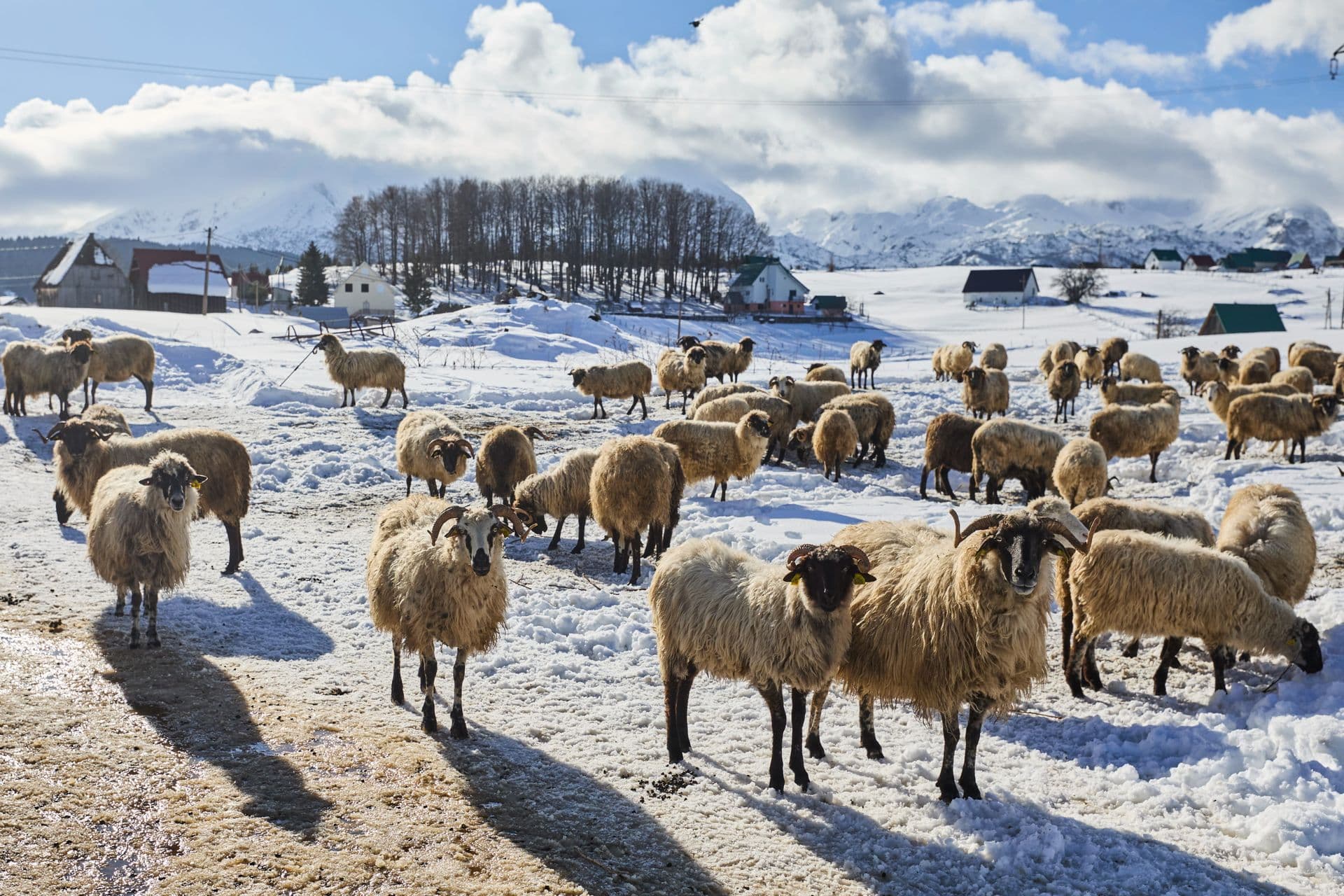
The livestock population in Montenegro has experienced significant growth as of December 1, 2025. According to preliminary data from the Statistical Office of Montenegro (Monstat), there has been an increase in the total number of cattle and sheep compared to the same period in 2024. The total number of cattle stands at 68,481, reflecting a growth of 1.5 percent from the previous year. Additionally, the number of dairy cows has risen by 2.1 percent.
In the sheep farming sector, there has been a notable increase of 8.2 percent in the total number of sheep, while the number of goats remains unchanged from 2024. The pig population has surged significantly, with an increase of 13.4 percent, bringing the total to 33,179. This growth indicates a robust recovery and expansion within Montenegro’s agricultural landscape.
Continuing Growth in Poultry and Milk Production
The overall poultry population also saw a substantial rise, increasing by 14.2 percent year-on-year. Notably, laying hens accounted for the largest share, with a total of 1.03 million hens, marking a growth of 1.3 percent. In terms of milk production, Montenegro produced 163.6 million liters of milk in 2025, predominantly from cows, which comprised 93.6 percent of this total. The average yield per cow was recorded at 3,524 liters.
Furthermore, the country produced 226 tons of wool in the same year, reflecting the diverse agricultural capabilities of Montenegro. In the poultry sector, a remarkable total of 234.03 million eggs were produced throughout 2025.
Data for this agricultural survey was collected between November 24 and December 20, 2025. The information was gathered through interviews and direct data entry using electronic devices, ensuring a comprehensive and accurate representation of livestock numbers as of December 1, 2025. Respondents provided information covering the period from December 1, 2024, to December 1, 2025.
The survey encompassed family farms and business entities in accordance with prevailing criteria. The data regarding livestock and poultry numbers resulted from an annual survey, utilizing a sample size of 3,574 agricultural households. This research included all business entities, cooperatives, and legal persons engaged in animal husbandry.
The findings highlight the resilience and growth potential of Montenegro’s agricultural sector, suggesting a positive trajectory amidst broader economic challenges. This increase in livestock and poultry numbers could lead to enhanced food security, increased exports, and a strengthened rural economy as the country moves forward.

Moyes Faces Referee Controversy Ahead of Everton vs Chelsea Clash

Man Hospitalised After Assault Outside Shop in Sandwell

Fred MacAulay and Ally McCoist Reunite for Special World Cup Show

NoOnes Targets $1 Trillion Gift Card Market to Enhance Crypto Access

Beloved Actor Matt Clark Passes Away at 89, Fans Mourn Loss

Discover How Milk Thistle Supplements Enhance Liver Health

Irish Community Care Celebrates 60 Years of Support in Liverpool

New Affordable Housing Development Planned for Crawley Site

Millions of Parking Tickets Issued Amid Calls for Reform

Claire Tomlinson Bids Farewell to Sky Sports After 27 Years

Iconic 90s TV Show House Hits Market for £1.1 Million

Tributes Flow for Kerry Gentle, Beloved RNLI Volunteer and Artist

Milk Bank Urges Mothers to Donate for Premature Babies’ Health

Shoppers Flock to Discounted Neck Pillow on Amazon for Travel Comfort

Alessia Russo Signs Long-Term Deal with Arsenal Ahead of WSL Season

Nathan Cleary’s Family Celebrates Engagement Amid Romance Rumors

Museums Body Critiques EHRC Proposals on Gender Facilities

Nuneaton Town FC Advances Plans for New Stadium in Stockingford
-
 Lifestyle4 months ago
Claire Tomlinson Bids Farewell to Sky Sports After 27 Years
-
 Entertainment7 months ago
Iconic 90s TV Show House Hits Market for £1.1 Million
-
 Lifestyle4 months ago
Tributes Flow for Kerry Gentle, Beloved RNLI Volunteer and Artist
-
 Lifestyle9 months ago
Milk Bank Urges Mothers to Donate for Premature Babies’ Health
-
 Lifestyle8 months ago
Shoppers Flock to Discounted Neck Pillow on Amazon for Travel Comfort
-
 Sports7 months ago
Alessia Russo Signs Long-Term Deal with Arsenal Ahead of WSL Season
-
 Sports8 months ago
Nathan Cleary’s Family Celebrates Engagement Amid Romance Rumors
-
 Politics9 months ago
Museums Body Critiques EHRC Proposals on Gender Facilities
-
 Sports5 months ago
Nuneaton Town FC Advances Plans for New Stadium in Stockingford
-

 Business9 months ago
Trump Visits Europe: Business, Politics, or Leisure?
-

 Lifestyle9 months ago
Japanese Teen Sorato Shimizu Breaks U18 100m Record in 10 Seconds
-

 Lifestyle8 months ago
Exploring England’s Cathedrals: A Journey Through History and Architecture