
Top Stories
New Study Finds No Link Between Paracetamol and Autism Risk

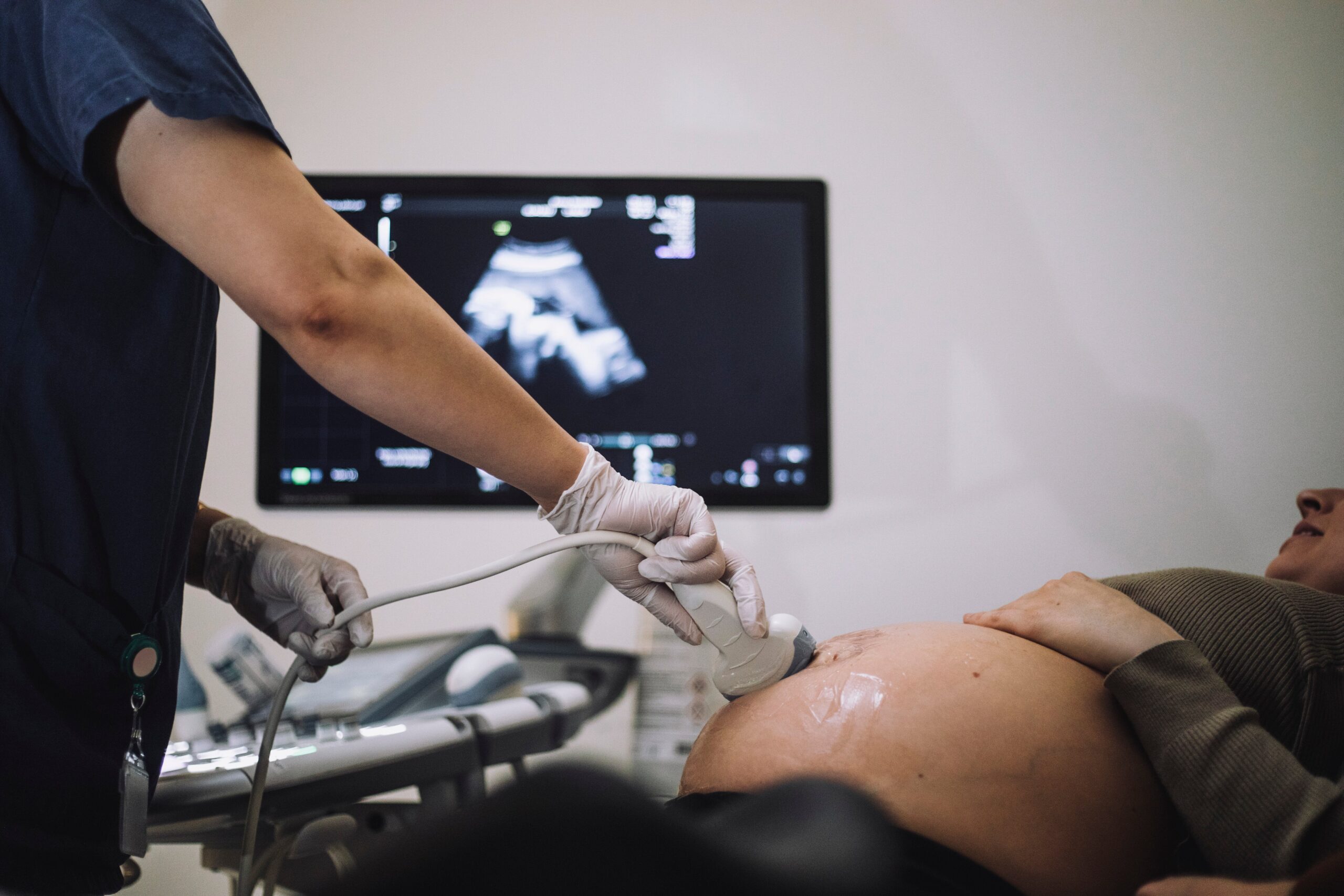
A recent study published on March 15, 2024, reveals that taking paracetamol during pregnancy does not increase the risk of autism, attention-deficit hyperactivity disorder (ADHD), or intellectual disability in children. This analysis comes in response to claims made by former US President Donald Trump in September 2025, linking paracetamol use during pregnancy to rising autism rates, a statement that was widely contested by experts.
Researchers from City St George’s, University of London conducted the study to address the concerns raised by Trump’s assertions. They argued that earlier studies suggesting a connection between paracetamol use and increased autism risk were often flawed. These studies frequently suffered from biases, such as inadequate data collection methods and a lack of sibling comparisons that would account for genetic and familial factors.
Study Overview and Findings
The analysis examined 43 high-quality studies, focusing on pregnancies where mothers took paracetamol compared to those who did not. Researchers pooled data from sibling comparison studies, which involved siblings born to the same mother where one pregnancy included paracetamol exposure while the other did not. This approach helps control for shared genetics and family environment, factors that traditional studies often overlook.
The comprehensive data set included assessments of 262,852 children for autism, 335,255 for ADHD, and 406,681 for intellectual disability. The results confirmed that there is no significant link between paracetamol use during pregnancy and the development of these conditions in children.
Professor Asma Khalil, the study’s lead author and a consultant obstetrician, emphasized that the findings suggest previously reported associations may result from genetic predispositions or other maternal factors, rather than the direct effects of paracetamol. She stated, “The message is clear – paracetamol remains a safe option during pregnancy when taken as guided.”
Current Recommendations and Health Implications
In light of the findings, paracetamol is reaffirmed as the first-line medication for pregnant women experiencing pain or fever. The National Health Service (NHS) in the UK supports this stance, declaring that paracetamol is the preferred painkiller during pregnancy and does not harm the developing fetus. Following the earlier claims in the United States, the UK’s Department for Health and Social Care (DHSC) reiterated that there is no evidence linking paracetamol use during pregnancy to autism in children.
The DHSC also highlighted the risks associated with untreated pain and fever, underscoring the importance of managing these symptoms to protect both the mother and the unborn child.
While the study offers reassurance, the authors acknowledged limitations. They noted the inability to investigate the effects of paracetamol usage based on specific pregnancy trimesters, the sex of the baby, or the frequency of paracetamol intake due to insufficient data from existing studies. Despite this, the research aligns with recommendations from major medical organizations globally, aiming to eliminate skepticism regarding paracetamol use during pregnancy.
The researchers hope that this comprehensive review will encourage expectant mothers to use paracetamol when necessary, as avoiding it in cases of significant pain or fever could pose risks to both maternal and fetal health.
The findings were published in The Lancet Obstetrics, Gynaecology & Women’s Health, contributing valuable insights to ongoing discussions regarding medication safety during pregnancy.

Moyes Faces Referee Controversy Ahead of Everton vs Chelsea Clash

Man Hospitalised After Assault Outside Shop in Sandwell

Fred MacAulay and Ally McCoist Reunite for Special World Cup Show

NoOnes Targets $1 Trillion Gift Card Market to Enhance Crypto Access

Beloved Actor Matt Clark Passes Away at 89, Fans Mourn Loss

Discover How Milk Thistle Supplements Enhance Liver Health

Irish Community Care Celebrates 60 Years of Support in Liverpool

New Affordable Housing Development Planned for Crawley Site

Millions of Parking Tickets Issued Amid Calls for Reform

Claire Tomlinson Bids Farewell to Sky Sports After 27 Years

Iconic 90s TV Show House Hits Market for £1.1 Million

Tributes Flow for Kerry Gentle, Beloved RNLI Volunteer and Artist

Nathan Cleary’s Family Celebrates Engagement Amid Romance Rumors

Milk Bank Urges Mothers to Donate for Premature Babies’ Health

Shoppers Flock to Discounted Neck Pillow on Amazon for Travel Comfort

Alessia Russo Signs Long-Term Deal with Arsenal Ahead of WSL Season

Nuneaton Town FC Advances Plans for New Stadium in Stockingford

Museums Body Critiques EHRC Proposals on Gender Facilities
-
 Lifestyle6 months ago
Claire Tomlinson Bids Farewell to Sky Sports After 27 Years
-
 Entertainment9 months ago
Iconic 90s TV Show House Hits Market for £1.1 Million
-
 Lifestyle6 months ago
Tributes Flow for Kerry Gentle, Beloved RNLI Volunteer and Artist
-
 Sports11 months ago
Nathan Cleary’s Family Celebrates Engagement Amid Romance Rumors
-
 Lifestyle11 months ago
Milk Bank Urges Mothers to Donate for Premature Babies’ Health
-
 Lifestyle11 months ago
Shoppers Flock to Discounted Neck Pillow on Amazon for Travel Comfort
-
 Sports10 months ago
Alessia Russo Signs Long-Term Deal with Arsenal Ahead of WSL Season
-
 Sports8 months ago
Nuneaton Town FC Advances Plans for New Stadium in Stockingford
-
 Politics11 months ago
Museums Body Critiques EHRC Proposals on Gender Facilities
-

 Lifestyle11 months ago
Exploring England’s Cathedrals: A Journey Through History and Architecture
-

 Business11 months ago
Trump Visits Europe: Business, Politics, or Leisure?
-

 Lifestyle11 months ago
Japanese Teen Sorato Shimizu Breaks U18 100m Record in 10 Seconds