
Top Stories
Nutritionist Shares Easy 315-Calorie Salad Recipe for Meal Prep

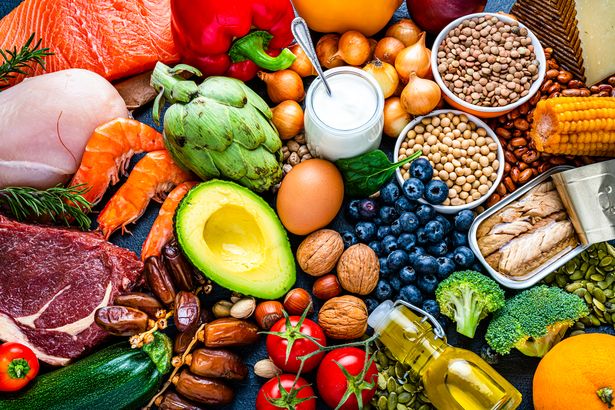
A nutritionist has unveiled a simple, vitamin-rich salad recipe that is ideal for meal prepping, promising to stay fresh for three to four days in the refrigerator without becoming soggy. Emily English, who shared her recipe on Instagram, emphasizes that this dish, containing just 315 calories per serving, is packed with essential vitamins, minerals, and antioxidants crucial for health.
In her post, Emily referred to the salad as “Nature’s Multivitamin,” highlighting its ability to contribute to overall well-being. The recipe is designed for busy individuals looking to plan meals in advance for the workweek. “A dream for meal prep, leave undressed and store for three to four days in an airtight container in the fridge for leftovers,” she explained. Emily suggests pairing the salad with a protein and dressing of choice to enhance its nutritional value.
Ingredients and Preparation Steps
Emily’s recipe includes a variety of fresh ingredients, which she meticulously prepares to ensure optimal texture and taste. She begins by dicing half a cucumber, removing the seeds to prevent excess moisture. Next, she deseeds and chops a red pepper, halves two handfuls of cherry tomatoes, and slices radishes and a red onion. These ingredients are mixed together with capers, olives, pomegranate seeds, mint, parsley, and basil in a large bowl.
Following this, she adds chickpeas and cooked quinoa before crumbling feta cheese on top. The finishing touch involves sprinkling mixed seeds over the salad and squeezing fresh lemon juice for added flavor. Emily personally enjoys the salad with chicken and avocado, making it a versatile option for various dietary preferences.
The nutritional benefits of the ingredients in this salad are noteworthy. Each component, particularly the olives, has been highlighted in recent research for its positive effects on heart health. According to a peer-reviewed study from the Autonomous University of Barcelona, certain plant-based foods, including olives, can significantly reduce the risk of cardiovascular issues. The Mediterranean diet, which includes these ingredients, is associated with lower incidences of heart disease compared to the Western diet, characterized by high sugar and processed foods.
Health Implications of the Mediterranean Diet
Cardiovascular diseases remain a leading cause of mortality globally, accounting for 32% of deaths in 2019. In the UK alone, such diseases result in over 170,000 deaths annually, as reported by the British Heart Foundation. The Mediterranean diet, which focuses on plant-based foods, moderate meat consumption, and healthy fats, offers a promising approach to reducing these risks.
The study indicates that dietary patterns rich in bioactive compounds, like those found in Emily’s salad, can play a significant role in modern medicine. However, experts caution that while these compounds have therapeutic potential, their use may be limited by side effects and interactions with medications.
As the move towards healthier eating continues, Emily’s salad recipe serves as a practical solution for individuals aiming to improve their diet without sacrificing convenience. By incorporating a variety of nutritious ingredients, this meal not only supports health but also caters to the busy lifestyles many face today.

Moyes Faces Referee Controversy Ahead of Everton vs Chelsea Clash

Man Hospitalised After Assault Outside Shop in Sandwell

Fred MacAulay and Ally McCoist Reunite for Special World Cup Show

NoOnes Targets $1 Trillion Gift Card Market to Enhance Crypto Access

Beloved Actor Matt Clark Passes Away at 89, Fans Mourn Loss

Discover How Milk Thistle Supplements Enhance Liver Health

Irish Community Care Celebrates 60 Years of Support in Liverpool

New Affordable Housing Development Planned for Crawley Site

Millions of Parking Tickets Issued Amid Calls for Reform

Claire Tomlinson Bids Farewell to Sky Sports After 27 Years

Iconic 90s TV Show House Hits Market for £1.1 Million

Tributes Flow for Kerry Gentle, Beloved RNLI Volunteer and Artist

Nathan Cleary’s Family Celebrates Engagement Amid Romance Rumors

Milk Bank Urges Mothers to Donate for Premature Babies’ Health

Shoppers Flock to Discounted Neck Pillow on Amazon for Travel Comfort

Alessia Russo Signs Long-Term Deal with Arsenal Ahead of WSL Season

Nuneaton Town FC Advances Plans for New Stadium in Stockingford

Museums Body Critiques EHRC Proposals on Gender Facilities
-
 Lifestyle6 months ago
Claire Tomlinson Bids Farewell to Sky Sports After 27 Years
-
 Entertainment9 months ago
Iconic 90s TV Show House Hits Market for £1.1 Million
-
 Lifestyle6 months ago
Tributes Flow for Kerry Gentle, Beloved RNLI Volunteer and Artist
-
 Sports11 months ago
Nathan Cleary’s Family Celebrates Engagement Amid Romance Rumors
-
 Lifestyle11 months ago
Milk Bank Urges Mothers to Donate for Premature Babies’ Health
-
 Lifestyle11 months ago
Shoppers Flock to Discounted Neck Pillow on Amazon for Travel Comfort
-
 Sports10 months ago
Alessia Russo Signs Long-Term Deal with Arsenal Ahead of WSL Season
-
 Sports8 months ago
Nuneaton Town FC Advances Plans for New Stadium in Stockingford
-
 Politics11 months ago
Museums Body Critiques EHRC Proposals on Gender Facilities
-

 Lifestyle11 months ago
Exploring England’s Cathedrals: A Journey Through History and Architecture
-

 Business11 months ago
Trump Visits Europe: Business, Politics, or Leisure?
-

 Lifestyle11 months ago
Japanese Teen Sorato Shimizu Breaks U18 100m Record in 10 Seconds