
Top Stories
Trump Proposes New Nuclear Treaty as New START Pact Expires

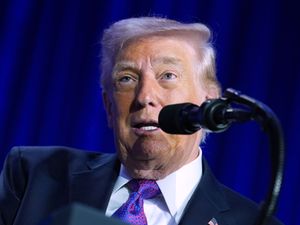
As the New START Treaty between the United States and Russia reaches its expiration on March 7, 2024, President Donald Trump is advocating for a new, more robust nuclear agreement. Instead of extending the existing treaty, Trump emphasized the need for a modernized pact that could provide lasting benefits for future generations. In a social media post, he criticized the current agreement, describing it as “a badly negotiated deal” that is “being grossly violated.”
The expiration of the treaty will remove the last existing limits on the two largest nuclear arsenals, marking a significant shift in international arms control. Trump has previously expressed a desire to maintain restrictions on nuclear weapons, suggesting that any new agreement should also include China. The prospect of a new treaty involving China is complex, as Beijing has shown reluctance to engage in such discussions.
Russia’s response to the treaty’s expiration has been one of regret. Kremlin officials lamented the loss of the last remaining nuclear arms pact that had provided oversight for over fifty years. According to Kremlin adviser Yuri Ushakov, President Vladimir Putin discussed the situation with Chinese leader Xi Jinping, highlighting that the United States did not respond to proposals for extending the treaty’s limits. Ushakov noted that Russia would act “in a balanced and responsible manner” following a thorough analysis of the security landscape.
The termination of the New START Treaty raises concerns among arms control experts, who warn that it could lead to an unconstrained nuclear arms race. Trump’s administration has reiterated that for effective arms control in the 21st century, China must be included, given its rapidly expanding nuclear stockpile. US Secretary of State Marco Rubio stated, “It’s impossible to do something that doesn’t include China.”
Despite the treaty’s expiration, the United States and Russia have agreed to resume high-level military dialogue, a move praised by the US military command in Europe. This dialogue had been suspended in 2021 amid escalating tensions between the two nations, particularly following Russia’s military actions in Ukraine.
The New START Treaty, originally signed in 2010 by then-President Barack Obama and Russian President Dmitry Medvedev, limited each side to a maximum of 1,550 nuclear warheads and 700 deployed missiles and bombers. Although the treaty was set to expire in 2021, it was extended for an additional five years. The treaty included provisions for on-site inspections to verify compliance; however, these inspections halted in 2020 due to the COVID-19 pandemic and were never resumed.
In February 2023, Putin announced the suspension of Russia’s participation in the treaty, citing concerns over US inspections of its nuclear sites amid the ongoing conflict in Ukraine. Nevertheless, the Kremlin has assured that it will respect the established caps on nuclear weapons. Putin had previously offered to adhere to the treaty’s limits for one more year to facilitate negotiations for a successor agreement, warning that the expiration would destabilize global security and could encourage nuclear proliferation.
As both nations navigate this critical juncture in arms control, the future of nuclear diplomacy remains uncertain, with significant implications for global security and international relations.

Moyes Faces Referee Controversy Ahead of Everton vs Chelsea Clash

Man Hospitalised After Assault Outside Shop in Sandwell

Fred MacAulay and Ally McCoist Reunite for Special World Cup Show

NoOnes Targets $1 Trillion Gift Card Market to Enhance Crypto Access

Beloved Actor Matt Clark Passes Away at 89, Fans Mourn Loss

Discover How Milk Thistle Supplements Enhance Liver Health

Irish Community Care Celebrates 60 Years of Support in Liverpool

New Affordable Housing Development Planned for Crawley Site

Millions of Parking Tickets Issued Amid Calls for Reform

Claire Tomlinson Bids Farewell to Sky Sports After 27 Years

Iconic 90s TV Show House Hits Market for £1.1 Million

Tributes Flow for Kerry Gentle, Beloved RNLI Volunteer and Artist

Nathan Cleary’s Family Celebrates Engagement Amid Romance Rumors

Milk Bank Urges Mothers to Donate for Premature Babies’ Health

Shoppers Flock to Discounted Neck Pillow on Amazon for Travel Comfort

Alessia Russo Signs Long-Term Deal with Arsenal Ahead of WSL Season

Nuneaton Town FC Advances Plans for New Stadium in Stockingford

Museums Body Critiques EHRC Proposals on Gender Facilities
-
 Lifestyle6 months ago
Claire Tomlinson Bids Farewell to Sky Sports After 27 Years
-
 Entertainment9 months ago
Iconic 90s TV Show House Hits Market for £1.1 Million
-
 Lifestyle6 months ago
Tributes Flow for Kerry Gentle, Beloved RNLI Volunteer and Artist
-
 Sports11 months ago
Nathan Cleary’s Family Celebrates Engagement Amid Romance Rumors
-
 Lifestyle11 months ago
Milk Bank Urges Mothers to Donate for Premature Babies’ Health
-
 Lifestyle11 months ago
Shoppers Flock to Discounted Neck Pillow on Amazon for Travel Comfort
-
 Sports10 months ago
Alessia Russo Signs Long-Term Deal with Arsenal Ahead of WSL Season
-
 Sports8 months ago
Nuneaton Town FC Advances Plans for New Stadium in Stockingford
-
 Politics11 months ago
Museums Body Critiques EHRC Proposals on Gender Facilities
-

 Lifestyle11 months ago
Exploring England’s Cathedrals: A Journey Through History and Architecture
-

 Business11 months ago
Trump Visits Europe: Business, Politics, or Leisure?
-

 Lifestyle11 months ago
Japanese Teen Sorato Shimizu Breaks U18 100m Record in 10 Seconds