
Top Stories
Understanding Vagus Nerve Stimulation and Its Health Benefits

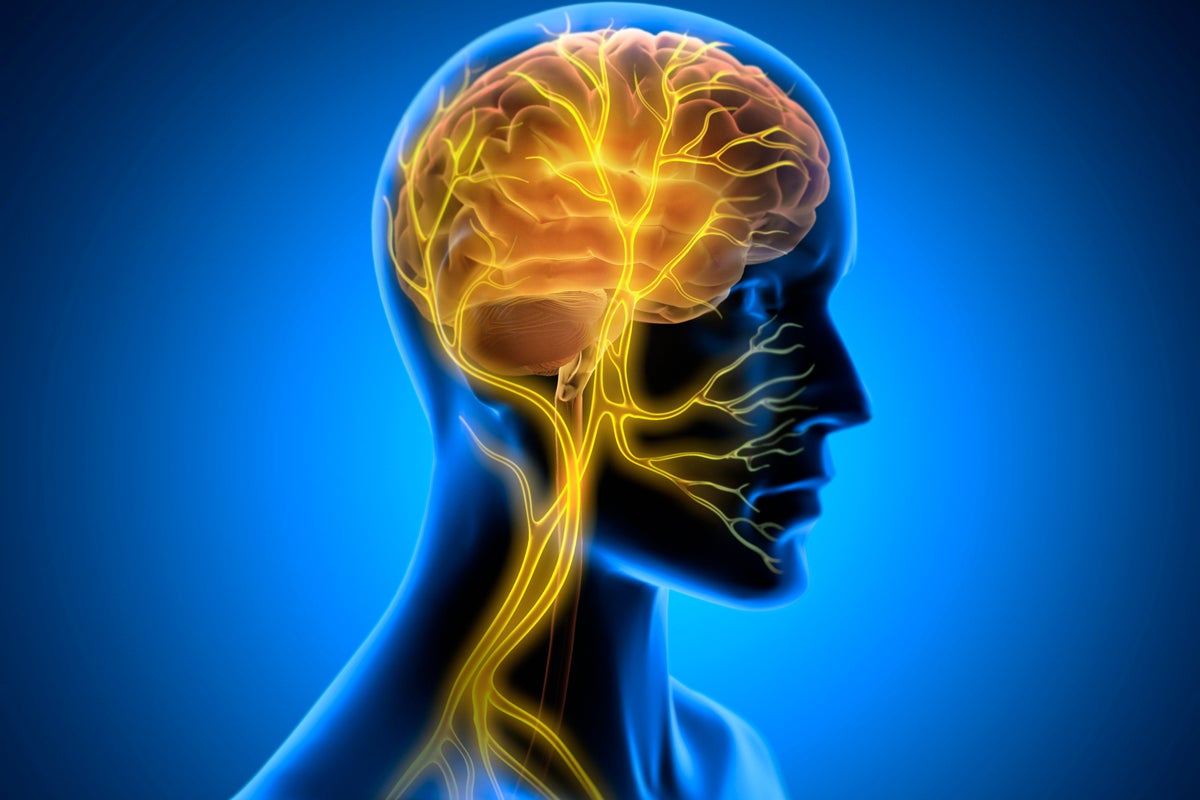
The vagus nerve, a critical component of the body’s nervous system, has gained attention for its potential health benefits. Recent discussions in wellness culture suggest that stimulating this nerve can lead to calmness, reset the nervous system, and even treat various medical conditions. As a researcher focused on the vagus nerve, I aim to clarify its functions, the evidence supporting its manipulation, and the limitations of current claims.
What is the Vagus Nerve?
The vagus nerve is one of the twelve cranial nerves, the longest of which extends from the brainstem through the neck into the chest and abdomen. It connects to essential organs including the heart, lungs, gastrointestinal tract, and liver. Its name, derived from the Latin word for “wanderer,” reflects its extensive route through the body. Approximately 80% of its fibers carry sensory information from the body to the brain, making it a vital part of the body’s internal monitoring system. Only about 20% of the fibers send signals from the brain to the organs.
Acting as a major component of the autonomic nervous system, the vagus nerve regulates functions that occur without conscious control. The autonomic nervous system has two primary branches: the sympathetic nervous system, which initiates the fight-or-flight response, and the parasympathetic nervous system, responsible for rest and digestion. The vagus nerve is crucial for promoting a state of calm, but its relationship to relaxation is often oversimplified in popular discourse.
Techniques and Clinical Applications
Various techniques, such as slow breathing, humming, and exposure to cold water, are believed to stimulate the vagus nerve. While these practices do not directly switch the nerve on or off, they can influence vagal activity by signaling safety to the body. For example, prolonged exhalation during slow breathing can reduce heart rate and promote a sense of calm. However, the evidence supporting these techniques remains limited, and individual responses can vary significantly.
In clinical medicine, vagus nerve stimulation has been utilized for decades, primarily through two methods. The first, invasive vagus nerve stimulation, involves surgically implanting a device that sends electrical impulses to the nerve. This approach is approved in the US for treating drug-resistant epilepsy and depression. In contrast, it is less frequently used in the UK due to the requirement for surgery and ongoing care.
The second approach, gaining traction in research, is non-invasive vagus nerve stimulation. This method uses electrodes placed on specific areas of the outer ear to stimulate a branch of the vagus nerve without surgical intervention. Preliminary studies using brain imaging suggest that this technique can produce neural activity patterns akin to those observed with surgical devices.
While medical vagus nerve stimulation devices must adhere to strict safety and efficacy standards, consumer wellness devices do not face the same regulatory scrutiny. Many of these products can be marketed without robust evidence supporting their claims, making it essential for consumers to approach these offerings with caution.
One promising avenue of research is in the realm of stroke rehabilitation. Many stroke survivors encounter long-term weaknesses that hinder independence. Research is underway to determine if non-invasive vagus nerve stimulation, when combined with physical rehabilitation, can enhance arm function post-stroke. This study follows a randomized clinical trial design, ensuring that neither participants nor researchers know who receives active stimulation until the conclusion of the study to minimize bias.
The variability in response to vagus nerve stimulation is noteworthy. While some individuals report improvements, others might experience adverse effects, such as headaches or mood changes. In my case, stimulation has led to low mood, an acknowledged but infrequent side effect. This inconsistency underscores the importance of personalized approaches rather than one-size-fits-all recommendations.
The vagus nerve is not a panacea. Most health conditions involve a complex interplay of biological and psychological factors, and no single nerve can address them all. However, as research continues to advance, more targeted therapies utilizing vagus nerve stimulation may emerge for specific conditions.
In conclusion, while the vagus nerve is an essential pathway linking brain and body functions, the current understanding of its stimulation and associated health benefits requires careful consideration. Ongoing research will determine the efficacy of these therapies, highlighting the need for a balanced view—embracing the potential while remaining cautious about unverified claims.

Moyes Faces Referee Controversy Ahead of Everton vs Chelsea Clash

Man Hospitalised After Assault Outside Shop in Sandwell

Fred MacAulay and Ally McCoist Reunite for Special World Cup Show

NoOnes Targets $1 Trillion Gift Card Market to Enhance Crypto Access

Beloved Actor Matt Clark Passes Away at 89, Fans Mourn Loss

Discover How Milk Thistle Supplements Enhance Liver Health

Irish Community Care Celebrates 60 Years of Support in Liverpool

New Affordable Housing Development Planned for Crawley Site

Millions of Parking Tickets Issued Amid Calls for Reform

Claire Tomlinson Bids Farewell to Sky Sports After 27 Years

Iconic 90s TV Show House Hits Market for £1.1 Million

Tributes Flow for Kerry Gentle, Beloved RNLI Volunteer and Artist

Nathan Cleary’s Family Celebrates Engagement Amid Romance Rumors

Milk Bank Urges Mothers to Donate for Premature Babies’ Health

Shoppers Flock to Discounted Neck Pillow on Amazon for Travel Comfort

Alessia Russo Signs Long-Term Deal with Arsenal Ahead of WSL Season

Nuneaton Town FC Advances Plans for New Stadium in Stockingford

Museums Body Critiques EHRC Proposals on Gender Facilities
-
 Lifestyle6 months ago
Claire Tomlinson Bids Farewell to Sky Sports After 27 Years
-
 Entertainment9 months ago
Iconic 90s TV Show House Hits Market for £1.1 Million
-
 Lifestyle6 months ago
Tributes Flow for Kerry Gentle, Beloved RNLI Volunteer and Artist
-
 Sports11 months ago
Nathan Cleary’s Family Celebrates Engagement Amid Romance Rumors
-
 Lifestyle11 months ago
Milk Bank Urges Mothers to Donate for Premature Babies’ Health
-
 Lifestyle11 months ago
Shoppers Flock to Discounted Neck Pillow on Amazon for Travel Comfort
-
 Sports10 months ago
Alessia Russo Signs Long-Term Deal with Arsenal Ahead of WSL Season
-
 Sports8 months ago
Nuneaton Town FC Advances Plans for New Stadium in Stockingford
-
 Politics11 months ago
Museums Body Critiques EHRC Proposals on Gender Facilities
-

 Lifestyle11 months ago
Exploring England’s Cathedrals: A Journey Through History and Architecture
-

 Business11 months ago
Trump Visits Europe: Business, Politics, or Leisure?
-

 Lifestyle11 months ago
Japanese Teen Sorato Shimizu Breaks U18 100m Record in 10 Seconds