
Top Stories
US Military Strike in Venezuela Triggers Global Geopolitical Tensions

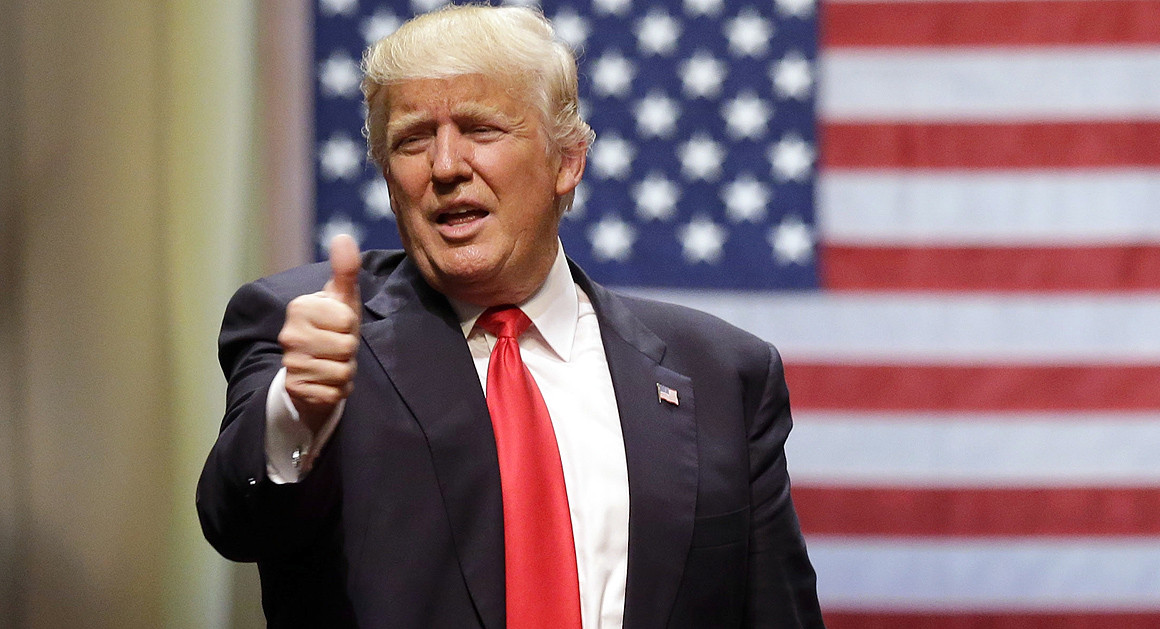
A significant military intervention by the United States in Venezuela has heightened global tensions and raised questions about international law and resource security. In the early hours of January 3, 2026, reports emerged of a large-scale US strike in the capital, Caracas, which allegedly resulted in the capture of President Nicolás Maduro and his wife, Cilia Flores. This unprecedented event marks the most direct US military action in Latin America since the 1989 Panama invasion, prompting urgent discussions in London and beyond regarding the implications of such an intervention.
Residents in Caracas reported hearing multiple explosions and the sound of aircraft shortly before 02:00 local time. The strikes led to extensive power outages across the southern parts of the city, affecting healthcare facilities and civilian areas. President Donald Trump claimed via social media that the US operation was aimed at bringing Maduro to justice over alleged criminal activities. Yet, the legal basis for the operation, including congressional approval and the nature of specific charges, remains unclear.
The Venezuelan government has condemned the US actions, referring to them as a blatant violation of sovereignty and an act of “military aggression.” Caracas has mobilised its defence forces and declared a national emergency in response to what it labelled an imperialist assault. The government issued a statement accusing the US of attempting to seize Venezuela’s strategic resources, particularly its oil and minerals.
Implications for Global Oil Markets
Venezuela holds the world’s largest proven crude oil reserves, estimated at 303 billion barrels, which constitutes approximately 17–20% of global reserves. Most of these reserves are located in the Orinoco Belt, an area rich in heavy and extra-heavy crude oil. Despite this significant potential, Venezuela’s oil production has drastically declined over the past decade due to political instability, mismanagement at the state-run Petróleos de Venezuela S.A. (PDVSA), and ongoing international sanctions.
Production levels, which once exceeded several million barrels per day in the early 2000s, have dropped to below one million barrels per day. This reduction has limited Venezuela’s influence on the global oil market, despite its vast reserves. Heavy crude typically trades at a discount compared to lighter grades, but it remains critical for certain refiners equipped to handle such products.
For the United States and its allies, access to Venezuelan oil adds a complex layer to the geopolitical situation. Historically, US energy security has relied on diversified supply sources. While domestic production has expanded significantly, heavy crude remains essential for specific refining processes.
The UK’s Position in a Diplomatic Quandary
The UK government has yet to provide a formal response to the US military action, but pressure is mounting for clarity on its stance regarding international law and the broader implications for global oil markets. Historically, the UK has championed the principles of state sovereignty and multilateral conflict resolution but also aligns with the US on various security matters.
In recent parliamentary discussions, several Members of Parliament have called on Prime Minister Rishi Sunak to clarify the UK’s position on the legality of the US intervention and any involvement in intelligence sharing or logistical support. Analysts caution that a lack of a clear stance could undermine Britain’s credibility on the international stage, particularly among Global South countries apprehensive about Western military interventions.
As the Organisation of Petroleum Exporting Countries (OPEC) and other energy stakeholders assess the potential ramifications of regime change in Caracas, the UK’s response could significantly impact diplomatic alliances and the dynamics of energy markets. The unfolding situation presents a critical juncture for global powers, raising fundamental questions about the future of resource control and international relations.

Moyes Faces Referee Controversy Ahead of Everton vs Chelsea Clash

Man Hospitalised After Assault Outside Shop in Sandwell

Fred MacAulay and Ally McCoist Reunite for Special World Cup Show

NoOnes Targets $1 Trillion Gift Card Market to Enhance Crypto Access

Beloved Actor Matt Clark Passes Away at 89, Fans Mourn Loss

Discover How Milk Thistle Supplements Enhance Liver Health

Irish Community Care Celebrates 60 Years of Support in Liverpool

New Affordable Housing Development Planned for Crawley Site

Millions of Parking Tickets Issued Amid Calls for Reform

Claire Tomlinson Bids Farewell to Sky Sports After 27 Years

Iconic 90s TV Show House Hits Market for £1.1 Million

Tributes Flow for Kerry Gentle, Beloved RNLI Volunteer and Artist

Nathan Cleary’s Family Celebrates Engagement Amid Romance Rumors

Milk Bank Urges Mothers to Donate for Premature Babies’ Health

Shoppers Flock to Discounted Neck Pillow on Amazon for Travel Comfort

Alessia Russo Signs Long-Term Deal with Arsenal Ahead of WSL Season

Nuneaton Town FC Advances Plans for New Stadium in Stockingford

Museums Body Critiques EHRC Proposals on Gender Facilities
-
 Lifestyle6 months ago
Claire Tomlinson Bids Farewell to Sky Sports After 27 Years
-
 Entertainment9 months ago
Iconic 90s TV Show House Hits Market for £1.1 Million
-
 Lifestyle6 months ago
Tributes Flow for Kerry Gentle, Beloved RNLI Volunteer and Artist
-
 Sports11 months ago
Nathan Cleary’s Family Celebrates Engagement Amid Romance Rumors
-
 Lifestyle11 months ago
Milk Bank Urges Mothers to Donate for Premature Babies’ Health
-
 Lifestyle11 months ago
Shoppers Flock to Discounted Neck Pillow on Amazon for Travel Comfort
-
 Sports10 months ago
Alessia Russo Signs Long-Term Deal with Arsenal Ahead of WSL Season
-
 Sports8 months ago
Nuneaton Town FC Advances Plans for New Stadium in Stockingford
-
 Politics11 months ago
Museums Body Critiques EHRC Proposals on Gender Facilities
-

 Lifestyle11 months ago
Exploring England’s Cathedrals: A Journey Through History and Architecture
-

 Business11 months ago
Trump Visits Europe: Business, Politics, or Leisure?
-

 Lifestyle11 months ago
Japanese Teen Sorato Shimizu Breaks U18 100m Record in 10 Seconds