
World
Etihad Airways Ends Airbus A380 Service on Six Key Routes

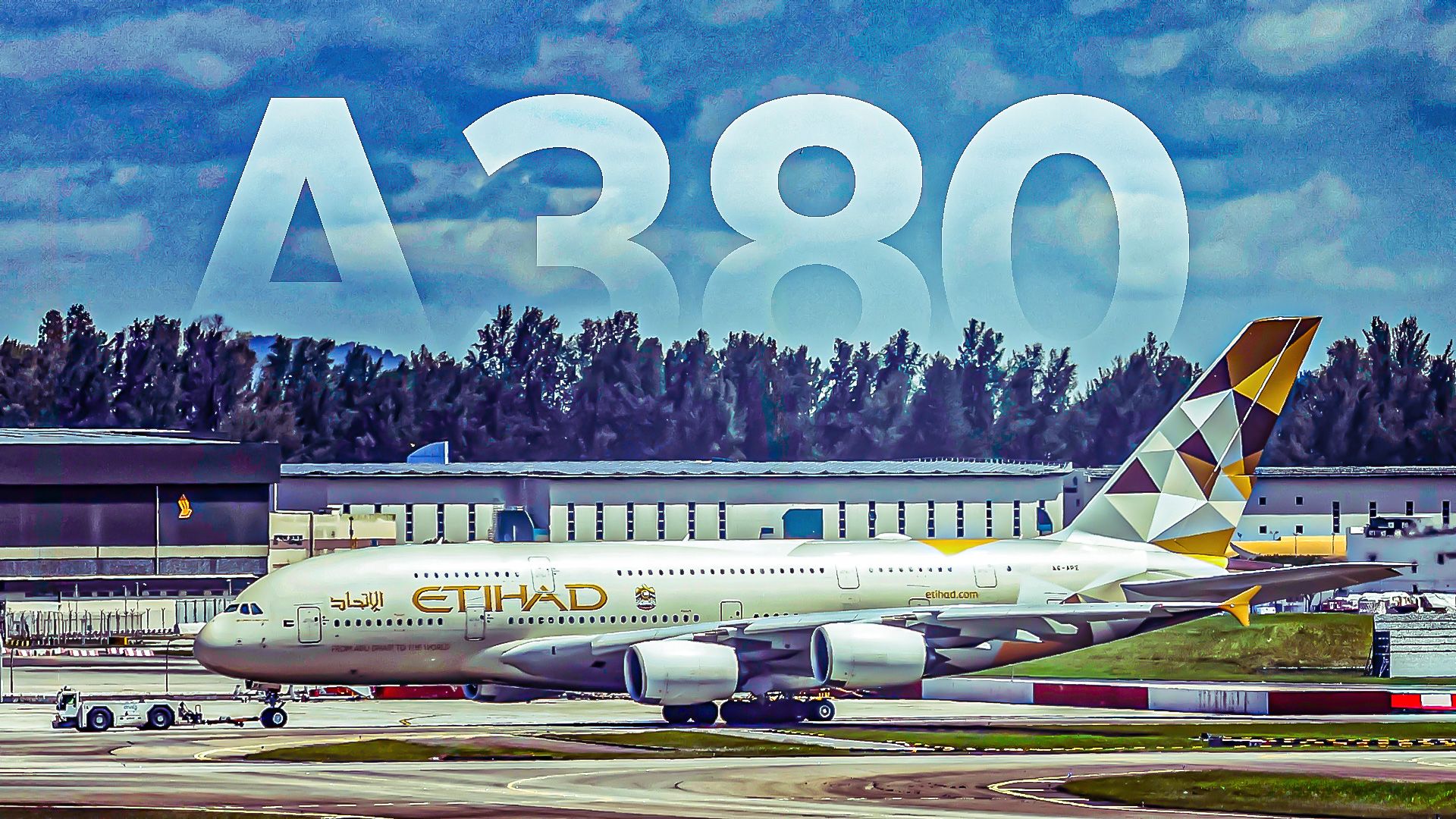
Etihad Airways has officially discontinued Airbus A380 flights on six major routes, significantly altering its operational landscape. The United Arab Emirates-based airline, which currently has nine A380 aircraft in its fleet, with only seven in active service, has decided to cease operations to destinations such as New York JFK, Sydney, and Melbourne. This decision marks a notable shift in Etihad’s strategy regarding its superjumbo aircraft.
Etihad Airways introduced the A380 to its fleet in December 2014, with its inaugural flight from Abu Dhabi to London Heathrow. The aircraft, known for its high capacity and luxurious offerings, features 486 seats, including two exclusive The Residence suites and nine first-class apartments. Despite the aircraft’s impressive configuration, the airline has now opted to remove the A380 from six key airports.
Routes No Longer Served by the A380
The cessation of A380 flights affects the following routes:
– **New York JFK**: Operating from 2015 to 2020 and resuming in 2024, this route recorded a total of 2,413 departures.
– **Sydney**: Flights ran from 2015 to 2020, with up to two daily services during peak periods, totaling 2,194 departures.
– **Melbourne**: Service lasted from 2016 to 2017, with 515 departures.
– **Mumbai**: Scheduled from 2016 to 2017 and expected to resume in 2024, this route had 482 departures.
– **Seoul Incheon**: Operated from 2019 to 2020, with 272 departures.
– **Jeddah**: The final A380 flight occurred on September 23, 2018.
The end of service to Melbourne, New York, and Sydney means Etihad no longer operates the A380 to either Australia or the United States, two critical markets for competing airlines like Emirates and Qatar Airways.
The last A380 flight from Abu Dhabi to New York occurred on June 23, 2025, after which the route transitioned to the two-class A350-1000. This swap allowed Etihad to introduce a new business class offering but removed first-class and The Residence options from the service. The airline hopes that this change will lead to improved financial performance, despite a 9% decrease in available seats compared to the previous year.
Future Plans for the A380 Fleet
Looking ahead, Etihad plans to operate a total of 2,104 A380 departures from Abu Dhabi in 2026, marking its fourth-best year since the aircraft’s introduction. This figure represents an 11% increase in A380 flights compared to 2025. The airline anticipates that the A380 will account for nearly 8% of its widebody services next year.
The A380 will continue to service key destinations, including London Heathrow, Paris Charles de Gaulle, Singapore, Tokyo Narita, and Toronto. Notably, Narita will see its first A380 flights on June 17, 2026, just in time for the peak summer travel season.
As of February 24, 2026, the operational landscape for the A380 remains dynamic, and while competition in the superjumbo market continues to evolve, Etihad Airways is adapting its strategy to align with changing passenger demand.

Moyes Faces Referee Controversy Ahead of Everton vs Chelsea Clash

Man Hospitalised After Assault Outside Shop in Sandwell

Fred MacAulay and Ally McCoist Reunite for Special World Cup Show

NoOnes Targets $1 Trillion Gift Card Market to Enhance Crypto Access

Beloved Actor Matt Clark Passes Away at 89, Fans Mourn Loss

Discover How Milk Thistle Supplements Enhance Liver Health

Irish Community Care Celebrates 60 Years of Support in Liverpool

New Affordable Housing Development Planned for Crawley Site

Millions of Parking Tickets Issued Amid Calls for Reform

Claire Tomlinson Bids Farewell to Sky Sports After 27 Years

Iconic 90s TV Show House Hits Market for £1.1 Million

Tributes Flow for Kerry Gentle, Beloved RNLI Volunteer and Artist

Nathan Cleary’s Family Celebrates Engagement Amid Romance Rumors

Milk Bank Urges Mothers to Donate for Premature Babies’ Health

Shoppers Flock to Discounted Neck Pillow on Amazon for Travel Comfort

Alessia Russo Signs Long-Term Deal with Arsenal Ahead of WSL Season

Nuneaton Town FC Advances Plans for New Stadium in Stockingford

Museums Body Critiques EHRC Proposals on Gender Facilities
-
 Lifestyle6 months ago
Claire Tomlinson Bids Farewell to Sky Sports After 27 Years
-
 Entertainment9 months ago
Iconic 90s TV Show House Hits Market for £1.1 Million
-
 Lifestyle6 months ago
Tributes Flow for Kerry Gentle, Beloved RNLI Volunteer and Artist
-
 Sports11 months ago
Nathan Cleary’s Family Celebrates Engagement Amid Romance Rumors
-
 Lifestyle11 months ago
Milk Bank Urges Mothers to Donate for Premature Babies’ Health
-
 Lifestyle11 months ago
Shoppers Flock to Discounted Neck Pillow on Amazon for Travel Comfort
-
 Sports10 months ago
Alessia Russo Signs Long-Term Deal with Arsenal Ahead of WSL Season
-
 Sports8 months ago
Nuneaton Town FC Advances Plans for New Stadium in Stockingford
-
 Politics11 months ago
Museums Body Critiques EHRC Proposals on Gender Facilities
-

 Lifestyle11 months ago
Exploring England’s Cathedrals: A Journey Through History and Architecture
-

 Business11 months ago
Trump Visits Europe: Business, Politics, or Leisure?
-

 Lifestyle11 months ago
Japanese Teen Sorato Shimizu Breaks U18 100m Record in 10 Seconds