
World
Heathrow Airport Struggles as 15 Middle Eastern Jets Remain Grounded

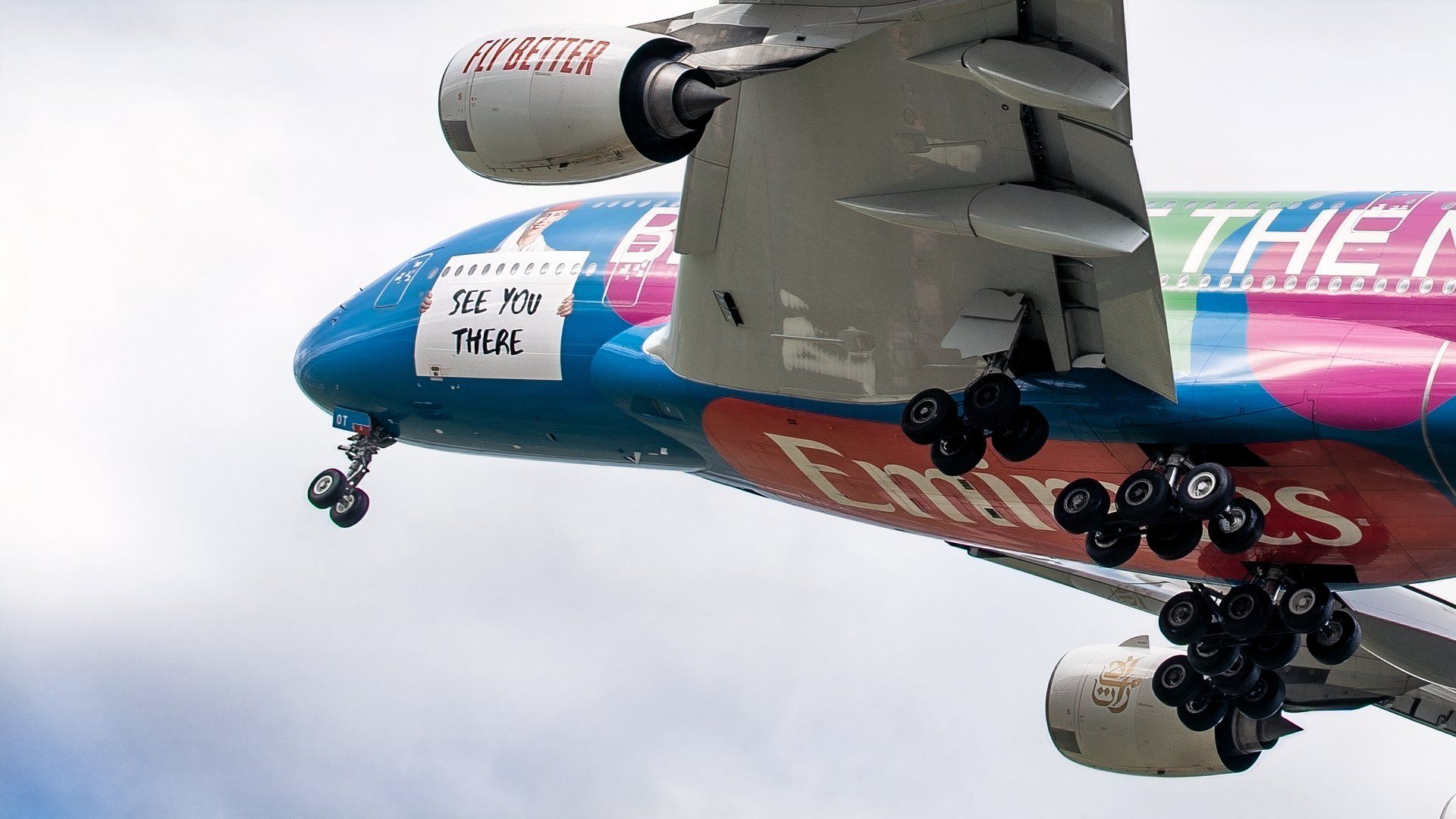
The ongoing airspace closures in the Middle East have created significant operational challenges for airlines, particularly at Heathrow Airport, where a total of 15 jets from various Middle Eastern carriers remain grounded. This situation stems from escalating tensions in the region, resulting in a ripple effect on international air travel.
According to data from Flightradar24, this disruption has primarily affected airlines such as Emirates, Etihad Airways, and Qatar Airways, all of which have multiple aircraft awaiting clearance to resume operations. London Heathrow is notably the most-served European airport by these affected airlines, making it a focal point in the ongoing crisis.
Grounded Aircraft and Financial Implications
As of March 2, 2024, 12 of the 15 grounded aircraft belong to Emirates, Etihad, and Qatar Airways. Emirates has three Airbus A380s stationed at Heathrow, including A6-EEC, which landed at 13:59, and A6-EEU, which features a livery for Dubai. These aircraft are tentatively scheduled to depart on March 3, but the timeline remains uncertain due to the prevailing circumstances.
Etihad has also parked three jets at the airport: A6-APH, an A380 that landed at 06:19, alongside two Boeing 787s. In contrast, Qatar Airways has six aircraft grounded at Heathrow, including three A350s and three Boeing 777-300ERs. This higher number correlates with Qatar Airways’ larger flight schedule compared to its competitors.
The financial impact of these grounded jets is significant. Airlines incur hefty parking charges for their aircraft, which can quickly accumulate. Additionally, the displacement of crew members complicates operations further. Airlines are left with limited options as they navigate this unprecedented disruption.
Broader Impact on Regional Airlines
While Emirates, Etihad, and Qatar Airways are the most prominent affected carriers, smaller airlines such as Gulf Air and Kuwait Airways have also felt the strain. Gulf Air has two aircraft grounded at Heathrow, creating a notable operational disruption given its smaller fleet size. Kuwait Airways has one Boeing 777-300ER, which landed at 14:01, further illustrating the extensive impact of airspace closures on all regional carriers.
Passenger flights scheduled for February 28 illustrate the scope of this crisis, with many aircraft having to turn back mid-flight or divert to alternative airports. For example, Qatar Airways’ A350-1000, A7-ANH, was forced to return to Heathrow shortly after takeoff, highlighting the ongoing challenges faced by airlines operating in and out of the region.
In summary, the situation at Heathrow Airport serves as a microcosm of the broader challenges facing the aviation industry due to geopolitical tensions in the Middle East. As airlines continue to grapple with grounded aircraft and logistical complications, the recovery process could take considerable time, affecting not only travel plans but also the financial stability of these airlines.

Moyes Faces Referee Controversy Ahead of Everton vs Chelsea Clash

Man Hospitalised After Assault Outside Shop in Sandwell

Fred MacAulay and Ally McCoist Reunite for Special World Cup Show

NoOnes Targets $1 Trillion Gift Card Market to Enhance Crypto Access

Beloved Actor Matt Clark Passes Away at 89, Fans Mourn Loss

Discover How Milk Thistle Supplements Enhance Liver Health

Irish Community Care Celebrates 60 Years of Support in Liverpool

New Affordable Housing Development Planned for Crawley Site

Millions of Parking Tickets Issued Amid Calls for Reform

Claire Tomlinson Bids Farewell to Sky Sports After 27 Years

Iconic 90s TV Show House Hits Market for £1.1 Million

Tributes Flow for Kerry Gentle, Beloved RNLI Volunteer and Artist

Nathan Cleary’s Family Celebrates Engagement Amid Romance Rumors

Milk Bank Urges Mothers to Donate for Premature Babies’ Health

Shoppers Flock to Discounted Neck Pillow on Amazon for Travel Comfort

Alessia Russo Signs Long-Term Deal with Arsenal Ahead of WSL Season

Nuneaton Town FC Advances Plans for New Stadium in Stockingford

Museums Body Critiques EHRC Proposals on Gender Facilities
-
 Lifestyle6 months ago
Claire Tomlinson Bids Farewell to Sky Sports After 27 Years
-
 Entertainment9 months ago
Iconic 90s TV Show House Hits Market for £1.1 Million
-
 Lifestyle6 months ago
Tributes Flow for Kerry Gentle, Beloved RNLI Volunteer and Artist
-
 Sports11 months ago
Nathan Cleary’s Family Celebrates Engagement Amid Romance Rumors
-
 Lifestyle11 months ago
Milk Bank Urges Mothers to Donate for Premature Babies’ Health
-
 Lifestyle11 months ago
Shoppers Flock to Discounted Neck Pillow on Amazon for Travel Comfort
-
 Sports10 months ago
Alessia Russo Signs Long-Term Deal with Arsenal Ahead of WSL Season
-
 Sports8 months ago
Nuneaton Town FC Advances Plans for New Stadium in Stockingford
-
 Politics11 months ago
Museums Body Critiques EHRC Proposals on Gender Facilities
-

 Lifestyle11 months ago
Exploring England’s Cathedrals: A Journey Through History and Architecture
-

 Business11 months ago
Trump Visits Europe: Business, Politics, or Leisure?
-

 Lifestyle11 months ago
Japanese Teen Sorato Shimizu Breaks U18 100m Record in 10 Seconds