
World
Russia Withdraws Troops from Qamishli Airbase in Syria

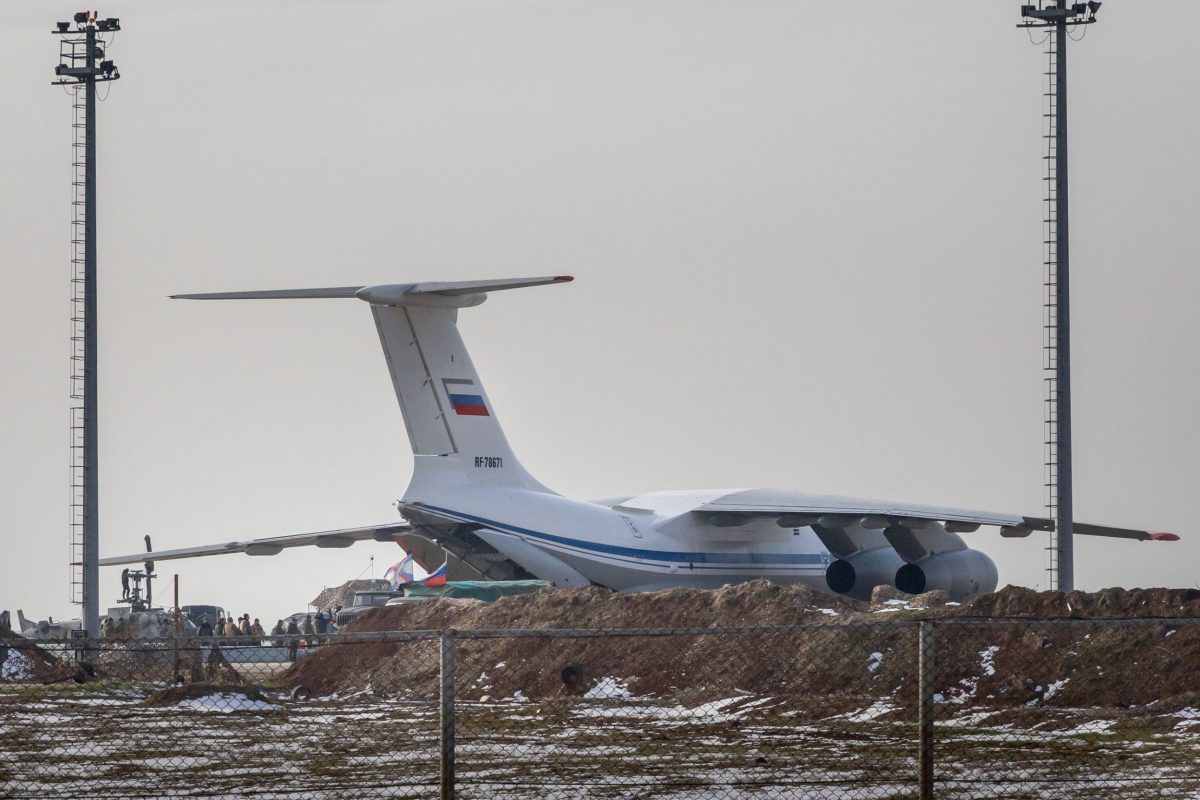
Russian troops have evacuated the Qamishli airbase in northern Syria, marking a significant shift in Moscow’s military presence in the region. The withdrawal, which took place this week, involved personnel loading aircraft and moving cargo, as confirmed by video footage. Russian forces have operated from the Qamishli airbase since 2019, under agreements established with former Syrian leader Bashar al-Assad, who fled to Moscow following his ousting in December 2024.
This withdrawal reflects a broader decline in Russian influence across the Middle East, as analysts note that Russo-Syrian relations have become “lukewarm” since Assad’s departure. Moscow’s other key ally, Iran, has also faced significant challenges over the past year, including direct attacks from the United States and Israel, as well as setbacks for its proxy groups like Hezbollah, Hamas, and the Houthis.
Despite these challenges, analysts caution against interpreting this move as an outright loss for Russian President Vladimir Putin. While the evacuation signifies a reduction in Russia’s military footprint in Syria, experts argue it should be viewed as a tactical adjustment rather than a complete retreat.
Understanding the Strategic Shift
According to Dr. HA Hellyer, an expert in Middle Eastern geopolitics at the Center for American Progress, the actions in northeast Syria appear more as a “tactical pullback” rather than a defeat. He emphasized that Russia’s ongoing military presence at the Hmeimim airbase and a naval facility along Syria’s Mediterranean coast remains unchanged, indicating that Moscow is selectively reallocating its resources.
Some personnel, military vehicles, and heavy weaponry from Qamishli are reportedly being transferred to Hmeimim, while others are returning to Russia. Hellyer noted that Moscow’s ability to retain any presence in Syria after Assad’s fall signals a degree of resilience in Russia’s international standing. He stated, “Moscow’s influence is more limited than it once was, but it hasn’t disappeared, and that still matters in a region where staying power counts.”
Caroline Rose, a Syria expert at the New Lines Institute, echoed this sentiment, asserting that the withdrawal should not be misconstrued as a complete Russian exit. She indicated that the decision reflects Moscow’s shifting priorities and a reduced need to maintain a strong military foothold in Syria, particularly as the U.S. prepares to withdraw its forces entirely by the end of this year.
The Changing Dynamics in Syria
The Syrian government, now under the leadership of President Ahmed al-Sharaa, is actively seeking to consolidate control over the country, including areas previously held by the Kurdish-led Syrian Democratic Forces (SDF). Recent conflicts have seen government forces reclaim significant territories from the SDF, and a fragile ceasefire was extended for an additional fortnight last Saturday.
Reports suggest that the Syrian government has contemplated asking Russian forces to vacate the Qamishli base once it has successfully pushed the Kurds out, as a source cited by Russian news outlet Kommersant stated, “there’s nothing for them [the Russians] to do there.”
International security expert Rob Geist Pinfold from King’s College London remarked that the withdrawal likely forms part of an evolving agreement between the SDF and Damascus, which no longer necessitates Russian involvement. He highlighted that the base’s original purpose—to protect the SDF from a potential Turkish offensive—has diminished as the SDF integrates into the Syrian state.
As the situation continues to evolve, the implications of Russia’s military decisions in Syria will play a crucial role in shaping the future dynamics of power in the region. The withdrawal from Qamishli is emblematic of broader changes in alliances and strategies, reflecting not only Moscow’s current capabilities but also the shifting landscape of Middle Eastern geopolitics.

Moyes Faces Referee Controversy Ahead of Everton vs Chelsea Clash

Man Hospitalised After Assault Outside Shop in Sandwell

Fred MacAulay and Ally McCoist Reunite for Special World Cup Show

NoOnes Targets $1 Trillion Gift Card Market to Enhance Crypto Access

Beloved Actor Matt Clark Passes Away at 89, Fans Mourn Loss

Discover How Milk Thistle Supplements Enhance Liver Health

Irish Community Care Celebrates 60 Years of Support in Liverpool

New Affordable Housing Development Planned for Crawley Site

Millions of Parking Tickets Issued Amid Calls for Reform

Claire Tomlinson Bids Farewell to Sky Sports After 27 Years

Iconic 90s TV Show House Hits Market for £1.1 Million

Tributes Flow for Kerry Gentle, Beloved RNLI Volunteer and Artist

Nathan Cleary’s Family Celebrates Engagement Amid Romance Rumors

Milk Bank Urges Mothers to Donate for Premature Babies’ Health

Shoppers Flock to Discounted Neck Pillow on Amazon for Travel Comfort

Alessia Russo Signs Long-Term Deal with Arsenal Ahead of WSL Season

Nuneaton Town FC Advances Plans for New Stadium in Stockingford

Museums Body Critiques EHRC Proposals on Gender Facilities
-
 Lifestyle6 months ago
Claire Tomlinson Bids Farewell to Sky Sports After 27 Years
-
 Entertainment9 months ago
Iconic 90s TV Show House Hits Market for £1.1 Million
-
 Lifestyle6 months ago
Tributes Flow for Kerry Gentle, Beloved RNLI Volunteer and Artist
-
 Sports11 months ago
Nathan Cleary’s Family Celebrates Engagement Amid Romance Rumors
-
 Lifestyle11 months ago
Milk Bank Urges Mothers to Donate for Premature Babies’ Health
-
 Lifestyle11 months ago
Shoppers Flock to Discounted Neck Pillow on Amazon for Travel Comfort
-
 Sports10 months ago
Alessia Russo Signs Long-Term Deal with Arsenal Ahead of WSL Season
-
 Sports8 months ago
Nuneaton Town FC Advances Plans for New Stadium in Stockingford
-
 Politics11 months ago
Museums Body Critiques EHRC Proposals on Gender Facilities
-

 Lifestyle11 months ago
Exploring England’s Cathedrals: A Journey Through History and Architecture
-

 Business11 months ago
Trump Visits Europe: Business, Politics, or Leisure?
-

 Lifestyle11 months ago
Japanese Teen Sorato Shimizu Breaks U18 100m Record in 10 Seconds