
Business
Trump Targets Federal Reserve: Legal Action Raises Inflation Concerns

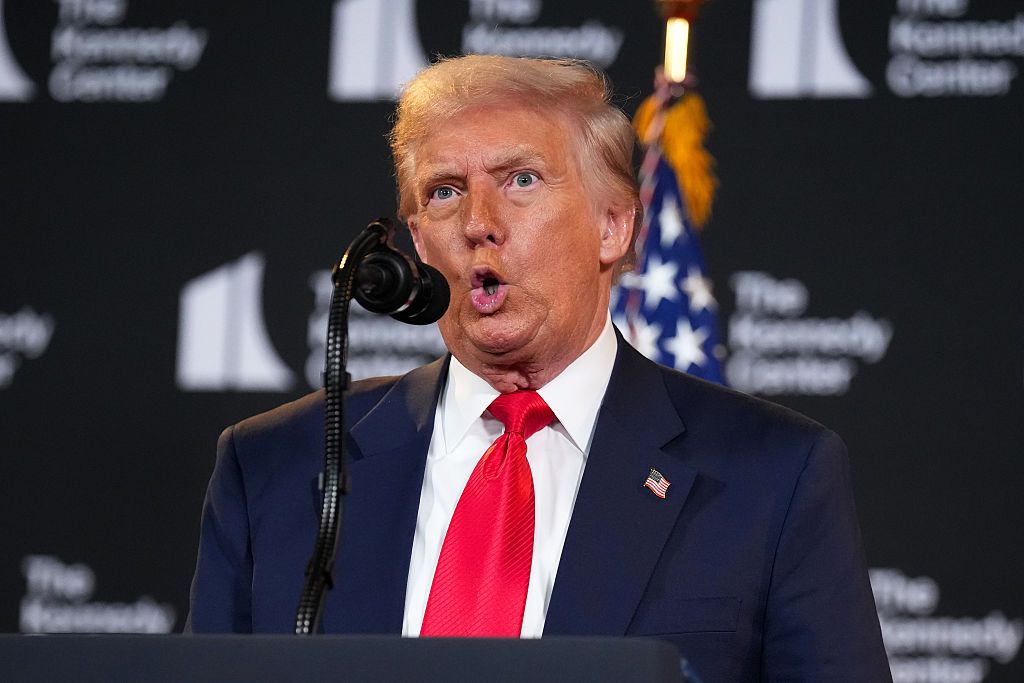
In a surprising legal maneuver, Donald Trump has initiated a prosecution against Jerome Powell, the chairman of the Federal Reserve, focusing on the $2.5 billion renovations of the Fed’s headquarters. This development raises significant concerns about the potential implications for U.S. monetary policy and inflation, given that the Fed oversees an economy valued at approximately $30 trillion.
The legal action appears to be part of Trump’s broader strategy to undermine Powell, whom he has criticized publicly. Powell asserted that the prosecution is an attempt to exert political control over the Fed, stating, “The threat of criminal charges is a consequence of the Federal Reserve setting interest rates based on our best assessment of what will serve the public, rather than following the preference of the president.” This statement highlights the tension between the Federal Reserve’s independence and the executive branch’s desire for influence over monetary policy.
Concerns Over Monetary Policy Control
Should Powell be removed from his position through these legal challenges, the next appointee could be more inclined to align with Trump’s directives. This scenario raises alarm about the future independence of the Federal Reserve. Historically, control over interest rates by political figures has led to detrimental economic outcomes. For example, before Gordon Brown established the independence of the Bank of England in 1997, the UK experienced one of the poorest inflation records globally.
Trump’s approach suggests a desire to directly influence interest rates, a move that could politicize monetary policy permanently. With inflation already a growing concern, the potential for future increases in prices could have far-reaching effects. Economic analysts warn that if the president gains authority to set rates, it will be challenging to relinquish that power.
The current administration’s policies, which include imposing the highest tariffs since the 1930s with an average import levy of 18%, aim to restrict competition and may inadvertently drive up consumer prices. Additionally, Trump has proposed capping credit card interest rates at 10%, a populist initiative that some view as an attempt to control the financial markets further.
Implications for Investors and Global Economy
Critics argue that these interventions could lead to a series of government-controlled markets, which historically have resulted in higher prices and diminished quality. The lack of a coherent economic strategy raises concerns about the sustainability of these policies, particularly as Trump directs investments toward Venezuela, despite unfavorable market conditions.
As inflationary pressures mount, investors are already taking precautions. The price of gold has reached record highs, reflecting a growing unease about the economic future. The interconnectedness of global markets means that inflation in the U.S. could quickly spread to other regions, including Europe and the UK.
While the exact trajectory of inflation remains uncertain, analysts agree that once prices begin to rise, they can be notoriously difficult to control. As the U.S. grapples with these challenges, the potential consequences for consumers and the global economy could be significant.

Moyes Faces Referee Controversy Ahead of Everton vs Chelsea Clash

Man Hospitalised After Assault Outside Shop in Sandwell

Fred MacAulay and Ally McCoist Reunite for Special World Cup Show

NoOnes Targets $1 Trillion Gift Card Market to Enhance Crypto Access

Beloved Actor Matt Clark Passes Away at 89, Fans Mourn Loss

Discover How Milk Thistle Supplements Enhance Liver Health

Irish Community Care Celebrates 60 Years of Support in Liverpool

New Affordable Housing Development Planned for Crawley Site

Millions of Parking Tickets Issued Amid Calls for Reform

Claire Tomlinson Bids Farewell to Sky Sports After 27 Years

Iconic 90s TV Show House Hits Market for £1.1 Million

Tributes Flow for Kerry Gentle, Beloved RNLI Volunteer and Artist

Nathan Cleary’s Family Celebrates Engagement Amid Romance Rumors

Milk Bank Urges Mothers to Donate for Premature Babies’ Health

Shoppers Flock to Discounted Neck Pillow on Amazon for Travel Comfort

Alessia Russo Signs Long-Term Deal with Arsenal Ahead of WSL Season

Nuneaton Town FC Advances Plans for New Stadium in Stockingford

Museums Body Critiques EHRC Proposals on Gender Facilities
-
 Lifestyle6 months ago
Claire Tomlinson Bids Farewell to Sky Sports After 27 Years
-
 Entertainment9 months ago
Iconic 90s TV Show House Hits Market for £1.1 Million
-
 Lifestyle6 months ago
Tributes Flow for Kerry Gentle, Beloved RNLI Volunteer and Artist
-
 Sports11 months ago
Nathan Cleary’s Family Celebrates Engagement Amid Romance Rumors
-
 Lifestyle11 months ago
Milk Bank Urges Mothers to Donate for Premature Babies’ Health
-
 Lifestyle11 months ago
Shoppers Flock to Discounted Neck Pillow on Amazon for Travel Comfort
-
 Sports10 months ago
Alessia Russo Signs Long-Term Deal with Arsenal Ahead of WSL Season
-
 Sports8 months ago
Nuneaton Town FC Advances Plans for New Stadium in Stockingford
-
 Politics11 months ago
Museums Body Critiques EHRC Proposals on Gender Facilities
-

 Lifestyle11 months ago
Exploring England’s Cathedrals: A Journey Through History and Architecture
-

 Business11 months ago
Trump Visits Europe: Business, Politics, or Leisure?
-

 Lifestyle11 months ago
Japanese Teen Sorato Shimizu Breaks U18 100m Record in 10 Seconds