
World
Christchurch Mosque Shooter Seeks to Withdraw Guilty Plea

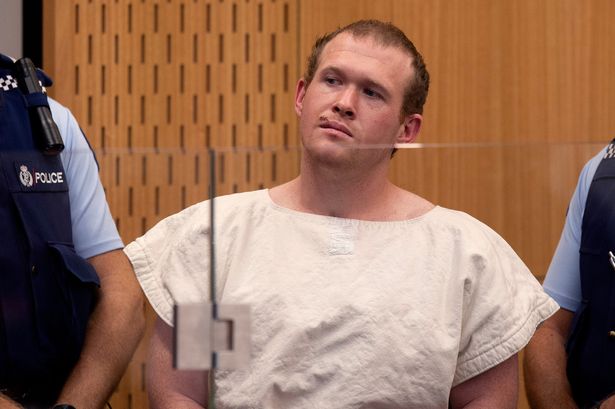
Brenton Tarrant, the man responsible for the deadly mass shooting at two mosques in Christchurch, New Zealand, is seeking to withdraw his guilty plea. Tarrant, who pleaded guilty to 51 counts of murder, 40 counts of attempted murder, and one count of terrorism in March 2020, claims he was not fit to plead due to his mental state at the time.
A three-judge panel at the Court of Appeal in Wellington is currently hearing evidence over five days regarding Tarrant’s assertion that he was coerced into admitting to the attacks due to “irrationality” stemming from harsh prison conditions. If his appeal is successful, Tarrant’s case would return to trial.
Details of the 2019 Attack and Its Aftermath
The attack on March 15, 2019, remains one of New Zealand’s darkest days, resulting in the deaths of 51 individuals, including a three-year-old boy, and leaving many others severely injured. Tarrant, an Australian self-declared white supremacist, meticulously planned the shooting, amassing a stockpile of semi-automatic weapons and crafting a manifesto that espoused hate.
During the hearing, Tarrant testified about his deteriorating mental health while incarcerated in Auckland Prison. Speaking via video link, he described his experience in solitary confinement, which he claims contributed to his condition. He stated that by the time he entered his guilty plea, he was suffering from “nervous exhaustion” and a crisis of identity.
Tarrant faced questioning from Crown lawyer Barnaby Hawes, who suggested that Tarrant had alternatives, such as requesting a delay in his trial on mental health grounds. Hawes highlighted the lack of documentation from mental health experts indicating that Tarrant was in a severe mental crisis at the time of his plea.
Impact of His Actions and Ongoing Legal Proceedings
Despite the gravity of his crimes, Tarrant’s legal team has been granted name suppression due to safety concerns associated with representing him. His current appeal comes nearly two years after the standard filing period, as he submitted documents to the court in September 2022. Tarrant contends that he was unable to access the necessary information to file within the required time frame.
The hearing, which has taken place under strict security measures, is expected to conclude later this week, although the judges will release their decision at a later date. Should the judges deny Tarrant’s request to withdraw his guilty plea, a subsequent hearing will focus on his bid to appeal his life sentence without the possibility of parole, a sentence that has never before been imposed in New Zealand.
As Tarrant’s case unfolds, it continues to resonate deeply within New Zealand and beyond, prompting discussions about hate, violence, and the legal system’s handling of such severe crimes.

Moyes Faces Referee Controversy Ahead of Everton vs Chelsea Clash

Man Hospitalised After Assault Outside Shop in Sandwell

Fred MacAulay and Ally McCoist Reunite for Special World Cup Show

NoOnes Targets $1 Trillion Gift Card Market to Enhance Crypto Access

Beloved Actor Matt Clark Passes Away at 89, Fans Mourn Loss

Discover How Milk Thistle Supplements Enhance Liver Health

Irish Community Care Celebrates 60 Years of Support in Liverpool

New Affordable Housing Development Planned for Crawley Site

Millions of Parking Tickets Issued Amid Calls for Reform

Claire Tomlinson Bids Farewell to Sky Sports After 27 Years

Iconic 90s TV Show House Hits Market for £1.1 Million

Tributes Flow for Kerry Gentle, Beloved RNLI Volunteer and Artist

Nathan Cleary’s Family Celebrates Engagement Amid Romance Rumors

Milk Bank Urges Mothers to Donate for Premature Babies’ Health

Shoppers Flock to Discounted Neck Pillow on Amazon for Travel Comfort

Alessia Russo Signs Long-Term Deal with Arsenal Ahead of WSL Season

Nuneaton Town FC Advances Plans for New Stadium in Stockingford

Museums Body Critiques EHRC Proposals on Gender Facilities
-
 Lifestyle6 months ago
Claire Tomlinson Bids Farewell to Sky Sports After 27 Years
-
 Entertainment9 months ago
Iconic 90s TV Show House Hits Market for £1.1 Million
-
 Lifestyle6 months ago
Tributes Flow for Kerry Gentle, Beloved RNLI Volunteer and Artist
-
 Sports11 months ago
Nathan Cleary’s Family Celebrates Engagement Amid Romance Rumors
-
 Lifestyle11 months ago
Milk Bank Urges Mothers to Donate for Premature Babies’ Health
-
 Lifestyle11 months ago
Shoppers Flock to Discounted Neck Pillow on Amazon for Travel Comfort
-
 Sports10 months ago
Alessia Russo Signs Long-Term Deal with Arsenal Ahead of WSL Season
-
 Sports8 months ago
Nuneaton Town FC Advances Plans for New Stadium in Stockingford
-
 Politics11 months ago
Museums Body Critiques EHRC Proposals on Gender Facilities
-

 Lifestyle11 months ago
Exploring England’s Cathedrals: A Journey Through History and Architecture
-

 Business11 months ago
Trump Visits Europe: Business, Politics, or Leisure?
-

 Lifestyle11 months ago
Japanese Teen Sorato Shimizu Breaks U18 100m Record in 10 Seconds