
Health
Heart Surgeon Warns: Key Signs of Heart Disease You Must Know

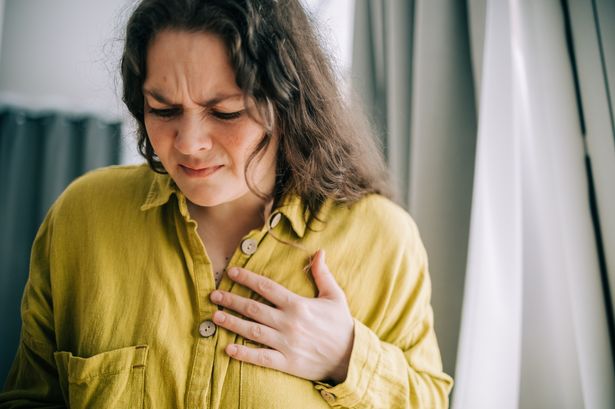
A heart surgeon on social media has drawn attention to critical signs that may indicate heart disease, urging individuals not to ignore these potential warnings. Dr. Jeremy London, a prominent heart surgeon with over 750,000 followers on TikTok, has identified symptoms that could signal serious heart issues. His recent video has gone viral, highlighting the “biggest red flag” for heart disease.
In his video, Dr. London emphasizes that the first major warning sign is chest pain or, more commonly, chest pressure. He explains that discomfort experienced during physical activity and relieved by rest may indicate that part of the heart is not receiving enough oxygen. This condition, known as angina, is often linked to coronary artery disease. According to the NHS, this type of pain is frequently triggered by stress or exertion and can manifest as a squeezing sensation radiating to the arms, neck, or jaw.
Understanding Symptoms of Heart Disease
Dr. London’s second warning centers on progressive shortness of breath during physical activity, which should not be dismissed as simply being “out of shape.” He highlights that unusual fatigue or a sudden decline in exercise tolerance can also be concerning. For instance, individuals might struggle with everyday tasks, such as taking out the rubbish or walking even short distances.
Health organizations recognize that heart disease is a significant health burden in the UK. Coronary heart disease, in particular, remains one of the leading causes of heart attacks and hospital admissions. Research from various cardiovascular disease studies indicates that chest pain often presents as pressure or discomfort, typically occurring alongside shortness of breath. MedlinePlus states that unexplained shortness of breath can be a sign of heart failure or diminished heart function.
The British Heart Foundation reports that coronary heart disease accounts for a substantial portion of heart-related illnesses and is a leading cause of mortality in the UK. Notably, surveys conducted by NHS England reveal that nearly 45% of adults lack confidence in recognizing the signs of a heart attack. Alarmingly, over one-third of respondents indicated they would not call emergency services even if they experienced chest pain.
Dr. London’s message is unequivocal: “Our bodies have built-in warning systems. The key is that you respond to them before you get into trouble.” He stresses that early detection and timely medical intervention can be life-saving.
In response to his video, viewers shared their experiences. One commented, “I thought I just wasn’t fit enough; turns out I needed two valves replaced. Good as gold now.” Another viewer admitted, “I had all of these for two years, but doctors said there was nothing wrong, then I had a heart attack.” These personal accounts underscore the importance of recognizing symptoms and seeking appropriate medical help.
As heart disease continues to pose a substantial threat to public health, awareness of symptoms and proactive health management remains crucial. Dr. London’s insights serve as a vital reminder to pay attention to warning signs and seek medical advice when necessary.

Moyes Faces Referee Controversy Ahead of Everton vs Chelsea Clash

Man Hospitalised After Assault Outside Shop in Sandwell

Fred MacAulay and Ally McCoist Reunite for Special World Cup Show

NoOnes Targets $1 Trillion Gift Card Market to Enhance Crypto Access

Beloved Actor Matt Clark Passes Away at 89, Fans Mourn Loss

Discover How Milk Thistle Supplements Enhance Liver Health

Irish Community Care Celebrates 60 Years of Support in Liverpool

New Affordable Housing Development Planned for Crawley Site

Millions of Parking Tickets Issued Amid Calls for Reform

Claire Tomlinson Bids Farewell to Sky Sports After 27 Years

Iconic 90s TV Show House Hits Market for £1.1 Million

Nathan Cleary’s Family Celebrates Engagement Amid Romance Rumors

Tributes Flow for Kerry Gentle, Beloved RNLI Volunteer and Artist

Milk Bank Urges Mothers to Donate for Premature Babies’ Health

Shoppers Flock to Discounted Neck Pillow on Amazon for Travel Comfort

Alessia Russo Signs Long-Term Deal with Arsenal Ahead of WSL Season

Nuneaton Town FC Advances Plans for New Stadium in Stockingford

Exploring England’s Cathedrals: A Journey Through History and Architecture
-
 Lifestyle8 months ago
Claire Tomlinson Bids Farewell to Sky Sports After 27 Years
-
 Entertainment11 months ago
Iconic 90s TV Show House Hits Market for £1.1 Million
-
 Sports1 year ago
Nathan Cleary’s Family Celebrates Engagement Amid Romance Rumors
-
 Lifestyle8 months ago
Tributes Flow for Kerry Gentle, Beloved RNLI Volunteer and Artist
-
 Lifestyle1 year ago
Milk Bank Urges Mothers to Donate for Premature Babies’ Health
-
 Lifestyle1 year ago
Shoppers Flock to Discounted Neck Pillow on Amazon for Travel Comfort
-
 Sports12 months ago
Alessia Russo Signs Long-Term Deal with Arsenal Ahead of WSL Season
-
 Sports9 months ago
Nuneaton Town FC Advances Plans for New Stadium in Stockingford
-
 Lifestyle1 year ago
Exploring England’s Cathedrals: A Journey Through History and Architecture
-

 Politics1 year ago
Museums Body Critiques EHRC Proposals on Gender Facilities
-

 Business1 year ago
Trump Visits Europe: Business, Politics, or Leisure?
-

 Lifestyle1 year ago
Japanese Teen Sorato Shimizu Breaks U18 100m Record in 10 Seconds