
Lifestyle
Pope Leo XIV Prohibits AI Sermons, Warns of Youth Loneliness

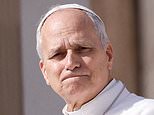
Pope Leo XIV has issued a ban on priests using artificial intelligence to prepare sermons, expressing concerns about the impact of smartphones on youth loneliness. During a recent address to the clergy of the Diocese of Rome on February 26, 2026, the Pope engaged in a question-and-answer session, addressing modern challenges faced by the Church.
Responding to a question from a parish priest about navigating contemporary culture, Pope Leo emphasized the importance of understanding the community served by the clergy. He highlighted his visit to the southern neighborhood of Ostia, stating, “To speak with these people, we must begin by knowing their reality as deeply as possible.” The Pope urged priests to remain actively engaged in their communities, warning against the temptation to rely on artificial intelligence for sermon preparation.
He articulated his belief that meaningful homilies stem from personal faith, asserting that AI cannot replicate the human experience of sharing faith. “Giving a true homily is to share faith,” he remarked, asserting that reliance on technology could diminish the personal touch essential to religious guidance. He further explained, “Like all the muscles in the body, if we do not use them, they die. The brain needs to be used, so our intelligence must also be exercised a little so as not to lose this capacity.”
In addition to addressing the use of technology, the Pope discussed the loneliness experienced by young people today, particularly exacerbated by the pandemic and the pervasive use of smartphones. He encouraged priests to reach out to those who are not actively engaged with the Church, urging them to seek innovative ways to connect with youth. “We must organize, think, seek initiatives that can be a form of outreach,” he stated.
Pope Leo XIV suggested various activities, such as sports and cultural events, as means to engage young people and help them form genuine relationships. He stressed the necessity of personal connections, noting that many young people experience isolation and a lack of meaningful interactions. “They live a kind of distance from others, a coldness, without knowing the richness, the value of truly human relationships,” he explained.
The Pope’s remarks came in response to concerns raised by younger clergy regarding their ability to support peers in a rapidly changing world. He emphasized that understanding the experiences of young people requires time and effort, especially considering that many face challenges such as drug use, crime, and violence.
“We must understand how to offer young people another type of experience of friendship, of sharing, and gradually of communion,” the Pope said, indicating that these efforts should ultimately lead to an invitation to know Jesus.
Pope Leo XIV’s stance on the use of AI in sermon preparation highlights a broader conversation about technology’s role in spirituality and personal connections. His emphasis on authentic relationships serves as a reminder for clergy to remain grounded in their communities and to prioritize personal engagement over technological convenience.

Moyes Faces Referee Controversy Ahead of Everton vs Chelsea Clash

Man Hospitalised After Assault Outside Shop in Sandwell

Fred MacAulay and Ally McCoist Reunite for Special World Cup Show

NoOnes Targets $1 Trillion Gift Card Market to Enhance Crypto Access

Beloved Actor Matt Clark Passes Away at 89, Fans Mourn Loss

Discover How Milk Thistle Supplements Enhance Liver Health

Irish Community Care Celebrates 60 Years of Support in Liverpool

New Affordable Housing Development Planned for Crawley Site

Millions of Parking Tickets Issued Amid Calls for Reform

Claire Tomlinson Bids Farewell to Sky Sports After 27 Years

Iconic 90s TV Show House Hits Market for £1.1 Million

Nathan Cleary’s Family Celebrates Engagement Amid Romance Rumors

Tributes Flow for Kerry Gentle, Beloved RNLI Volunteer and Artist

Milk Bank Urges Mothers to Donate for Premature Babies’ Health

Shoppers Flock to Discounted Neck Pillow on Amazon for Travel Comfort

Alessia Russo Signs Long-Term Deal with Arsenal Ahead of WSL Season

Nuneaton Town FC Advances Plans for New Stadium in Stockingford

Exploring England’s Cathedrals: A Journey Through History and Architecture
-
 Lifestyle8 months ago
Claire Tomlinson Bids Farewell to Sky Sports After 27 Years
-
 Entertainment11 months ago
Iconic 90s TV Show House Hits Market for £1.1 Million
-
 Sports1 year ago
Nathan Cleary’s Family Celebrates Engagement Amid Romance Rumors
-
 Lifestyle8 months ago
Tributes Flow for Kerry Gentle, Beloved RNLI Volunteer and Artist
-
 Lifestyle1 year ago
Milk Bank Urges Mothers to Donate for Premature Babies’ Health
-
 Lifestyle1 year ago
Shoppers Flock to Discounted Neck Pillow on Amazon for Travel Comfort
-
 Sports12 months ago
Alessia Russo Signs Long-Term Deal with Arsenal Ahead of WSL Season
-
 Sports9 months ago
Nuneaton Town FC Advances Plans for New Stadium in Stockingford
-
 Lifestyle1 year ago
Exploring England’s Cathedrals: A Journey Through History and Architecture
-

 Politics1 year ago
Museums Body Critiques EHRC Proposals on Gender Facilities
-

 Business1 year ago
Trump Visits Europe: Business, Politics, or Leisure?
-

 Lifestyle1 year ago
Japanese Teen Sorato Shimizu Breaks U18 100m Record in 10 Seconds