
Health
Recognizing Low Self-Esteem: Signs and Solutions from Experts

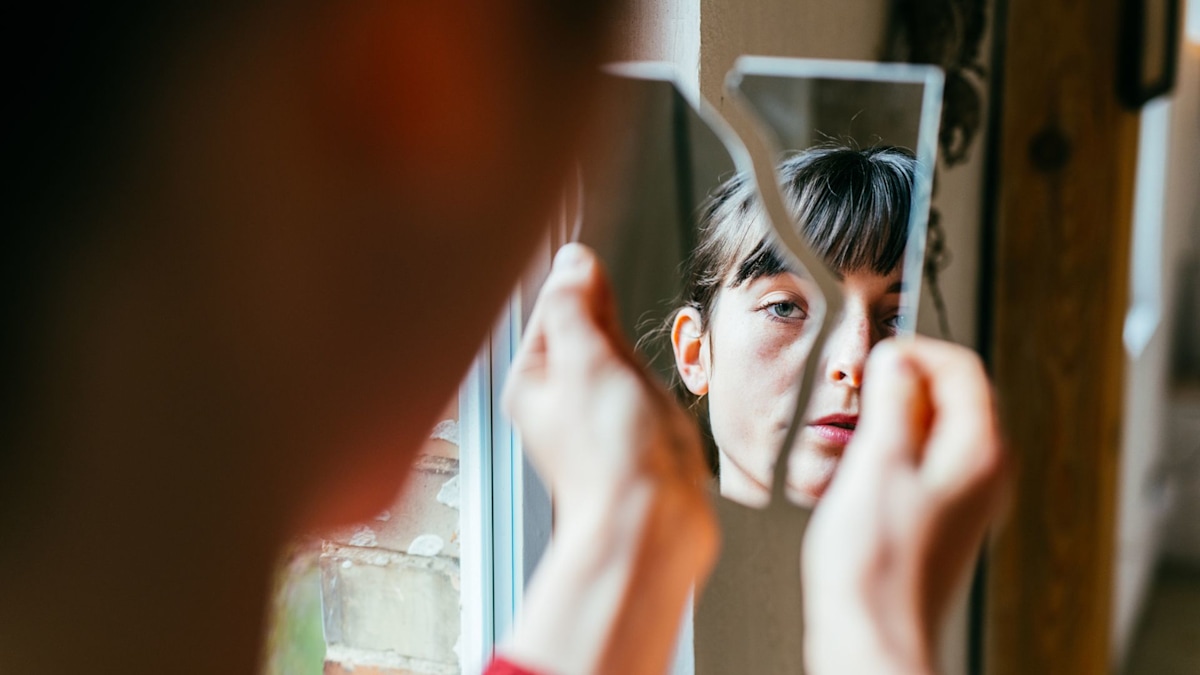
Struggling with low self-esteem can have profound effects on individuals, impacting their relationships and overall well-being. According to psychologist and author Patricia Expósito, understanding the signs of low self-esteem and taking active steps to improve it is essential for personal growth and emotional health.
Many people overlook their emotional needs, often prioritizing productivity and external validation over self-care. Expósito emphasizes that societal norms frequently push individuals to neglect their mental health until they reach a breaking point. “In recent years, there has been a shift in how we talk about self-care and self-worth, but we still live in a culture that prizes productivity above all else,” she notes.
Common Signs of Low Self-Esteem
Individuals with low self-esteem may exhibit several red flags. Common indicators include a tendency to measure oneself against others, an inability to accept compliments, and a reliance on external validation to feel worthwhile. Many people also find it challenging to embrace new challenges due to a fear of failure.
Another significant barrier is perfectionism, which often results in harsh self-criticism. As Expósito explains, “Being overly self-critical often stems from a drive for perfection or from internalized critical voices from childhood.” This constant self-reproach can lead to a negative self-image and hinder personal growth.
Additionally, those with low self-esteem may struggle to establish healthy boundaries in their relationships. Fears of rejection and feelings of selfishness can perpetuate a cycle where individuals prioritize others’ needs over their own, further diminishing their self-worth.
The Role of Early Experiences
Our sense of self-worth is largely shaped during childhood. Expósito highlights that children who receive unconditional love and validation from their caregivers are more likely to develop a robust sense of self. “Having that sense of validation, being accepted for who we are, and receiving unconditional love is absolutely vital,” she states.
Conversely, children raised in critical or unsupportive environments may carry limiting beliefs into adulthood, such as the notion that they are “not good enough.” These internalized beliefs can create significant obstacles to self-acceptance and emotional health.
While some individuals may have a natural predisposition towards confidence, others can overcome challenges through therapy and self-reflection. “Therapy is a fantastic tool for reinforcing that foundation,” Expósito asserts, underscoring the importance of seeking professional help when needed.
Ultimately, cultivating self-esteem is an ongoing process influenced by various factors, including childhood experiences, social interactions, and personal achievements. Individuals can take actionable steps towards improvement by acknowledging their struggles and being open to self-development.
Recognizing low self-esteem and addressing it is crucial for fostering healthier relationships and enhancing overall quality of life. As Expósito concludes, prioritizing oneself is not an act of selfishness; rather, it is a necessary step towards self-compassion and improved interpersonal connections.

Moyes Faces Referee Controversy Ahead of Everton vs Chelsea Clash

Man Hospitalised After Assault Outside Shop in Sandwell

Fred MacAulay and Ally McCoist Reunite for Special World Cup Show

NoOnes Targets $1 Trillion Gift Card Market to Enhance Crypto Access

Beloved Actor Matt Clark Passes Away at 89, Fans Mourn Loss

Discover How Milk Thistle Supplements Enhance Liver Health

Irish Community Care Celebrates 60 Years of Support in Liverpool

New Affordable Housing Development Planned for Crawley Site

Millions of Parking Tickets Issued Amid Calls for Reform

Claire Tomlinson Bids Farewell to Sky Sports After 27 Years

Iconic 90s TV Show House Hits Market for £1.1 Million

Nathan Cleary’s Family Celebrates Engagement Amid Romance Rumors

Tributes Flow for Kerry Gentle, Beloved RNLI Volunteer and Artist

Milk Bank Urges Mothers to Donate for Premature Babies’ Health

Shoppers Flock to Discounted Neck Pillow on Amazon for Travel Comfort

Alessia Russo Signs Long-Term Deal with Arsenal Ahead of WSL Season

Nuneaton Town FC Advances Plans for New Stadium in Stockingford

Exploring England’s Cathedrals: A Journey Through History and Architecture
-
 Lifestyle8 months ago
Claire Tomlinson Bids Farewell to Sky Sports After 27 Years
-
 Entertainment11 months ago
Iconic 90s TV Show House Hits Market for £1.1 Million
-
 Sports1 year ago
Nathan Cleary’s Family Celebrates Engagement Amid Romance Rumors
-
 Lifestyle8 months ago
Tributes Flow for Kerry Gentle, Beloved RNLI Volunteer and Artist
-
 Lifestyle1 year ago
Milk Bank Urges Mothers to Donate for Premature Babies’ Health
-
 Lifestyle1 year ago
Shoppers Flock to Discounted Neck Pillow on Amazon for Travel Comfort
-
 Sports12 months ago
Alessia Russo Signs Long-Term Deal with Arsenal Ahead of WSL Season
-
 Sports9 months ago
Nuneaton Town FC Advances Plans for New Stadium in Stockingford
-
 Lifestyle1 year ago
Exploring England’s Cathedrals: A Journey Through History and Architecture
-

 Politics1 year ago
Museums Body Critiques EHRC Proposals on Gender Facilities
-

 Business1 year ago
Trump Visits Europe: Business, Politics, or Leisure?
-

 Lifestyle1 year ago
Japanese Teen Sorato Shimizu Breaks U18 100m Record in 10 Seconds