
Business
Council Clash Over Cannock Theatre Demolition Plan Intensifies

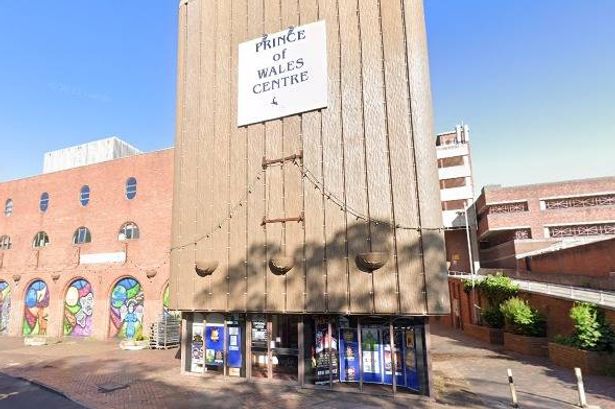
The ongoing dispute over the demolition of the Prince of Wales Theatre in Cannock has intensified, as local political factions clash over town centre regeneration plans. The Conservative opposition at Cannock Chase Council has defended its vote against the Labour administration’s proposals, which include the controversial demolition of the historic theatre. The opposition cites a petition signed by over 20,000 residents advocating for the preservation of the venue.
During a full council meeting in January, the Labour administration failed to secure a recommendation for revisions to the capital programme necessary to advance the regeneration project. This setback occurred by a narrow margin of just one vote. Following the decision, council leader Steve Thornley expressed his disappointment, claiming that the opposition’s actions jeopardized the future of the regeneration initiatives.
In a statement issued on February 3, the Conservative group asserted that they could not support any programme that included the theatre’s demolition. They criticized the Labour Cabinet for what they described as a “take-it-or-leave-it” approach to the council’s capital programme, which they argued was a calculated move to gain political cover for the demolition.
The Prince of Wales Theatre, which has been a cultural cornerstone in the community, was highlighted as a pivotal element of Cannock’s successful 2021 Levelling Up Fund bid. The Conservative group emphasized that the theatre’s closure and the push for demolition were the results of deliberate political choices made without adequate consultation or impact assessments.
According to their statement, the Labour administration’s decision to move forward with demolition plans contradicts earlier commitments made to the community. They pointed out that the Labour Group has shifted position within a mere two months, having rejected the Theatre Trust’s Community Asset Transfer bid and disregarded expert advice from the national Theatres Trust.
The opposition group expressed that this course of action undermines the original rationale for government funding and represents a failure in leadership and financial discipline. They reiterated their support for Cannock’s regeneration, noting that the initial proposals were developed during the previous Conservative administration.
A strategic development framework for the town centre regeneration is expected to be presented in the coming weeks, although it was notably absent from the recent cabinet meeting. Councillor Thornley, addressing cabinet members, reaffirmed his commitment to the regeneration project. He stated, “We provided the blueprint to attract potential new investment, new businesses, new opportunities, new people, and breathe new life into the town centre.”
The disagreement over the future of the theatre and the overall regeneration strategy continues to evoke strong sentiments within the community. As the situation evolves, the council faces mounting pressure to navigate the conflicting interests of local residents and the imperative for urban development. The outcome of this dispute will have significant implications for the cultural landscape of Cannock and the broader ambitions for revitalizing its town centre.

Moyes Faces Referee Controversy Ahead of Everton vs Chelsea Clash

Man Hospitalised After Assault Outside Shop in Sandwell

Fred MacAulay and Ally McCoist Reunite for Special World Cup Show

NoOnes Targets $1 Trillion Gift Card Market to Enhance Crypto Access

Beloved Actor Matt Clark Passes Away at 89, Fans Mourn Loss

Discover How Milk Thistle Supplements Enhance Liver Health

Irish Community Care Celebrates 60 Years of Support in Liverpool

New Affordable Housing Development Planned for Crawley Site

Millions of Parking Tickets Issued Amid Calls for Reform

Claire Tomlinson Bids Farewell to Sky Sports After 27 Years

Iconic 90s TV Show House Hits Market for £1.1 Million

Tributes Flow for Kerry Gentle, Beloved RNLI Volunteer and Artist

Nathan Cleary’s Family Celebrates Engagement Amid Romance Rumors

Milk Bank Urges Mothers to Donate for Premature Babies’ Health

Shoppers Flock to Discounted Neck Pillow on Amazon for Travel Comfort

Alessia Russo Signs Long-Term Deal with Arsenal Ahead of WSL Season

Nuneaton Town FC Advances Plans for New Stadium in Stockingford

Museums Body Critiques EHRC Proposals on Gender Facilities
-
 Lifestyle6 months ago
Claire Tomlinson Bids Farewell to Sky Sports After 27 Years
-
 Entertainment9 months ago
Iconic 90s TV Show House Hits Market for £1.1 Million
-
 Lifestyle6 months ago
Tributes Flow for Kerry Gentle, Beloved RNLI Volunteer and Artist
-
 Sports11 months ago
Nathan Cleary’s Family Celebrates Engagement Amid Romance Rumors
-
 Lifestyle11 months ago
Milk Bank Urges Mothers to Donate for Premature Babies’ Health
-
 Lifestyle11 months ago
Shoppers Flock to Discounted Neck Pillow on Amazon for Travel Comfort
-
 Sports10 months ago
Alessia Russo Signs Long-Term Deal with Arsenal Ahead of WSL Season
-
 Sports8 months ago
Nuneaton Town FC Advances Plans for New Stadium in Stockingford
-
 Politics11 months ago
Museums Body Critiques EHRC Proposals on Gender Facilities
-

 Lifestyle11 months ago
Exploring England’s Cathedrals: A Journey Through History and Architecture
-

 Business11 months ago
Trump Visits Europe: Business, Politics, or Leisure?
-

 Lifestyle11 months ago
Japanese Teen Sorato Shimizu Breaks U18 100m Record in 10 Seconds